






From Queens to a Cultural Touchstone
Long before the Telfar Shopping Bag was nicknamed the “Bushwick Birkin” and spotted on everyone from Beyoncé to Alexandria Ocasio-Cortez, Telfar Clemens was quietly building his brand from his apartment in Queens. Founded in 2005, the label was built
on a simple, radical idea: unisex clothing. For years, Clemens operated on the fringes of the mainstream fashion industry, which he often described as being in a state of “constantly emerging.” He sustained his vision by working as a DJ and model, all while creating genderless, deconstructed basics. The brand’s philosophy was shaped not by runway trends, but by the people Clemens saw on his bike rides through New York and the shoppers at department stores. It was a slow burn, a decade-plus journey of fostering a small but devoted following who understood his vision long before the industry caught on.
A Slogan That Meant Something
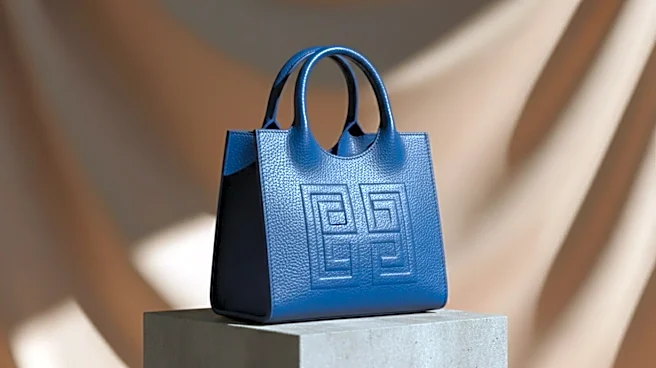
The brand’s motto, “Not for you — for everyone,” is more than just a clever tagline; it’s the blueprint for the entire business. In an industry defined by exclusion and aspirational pricing, Clemens made accessibility a core principle. His goal was to dismantle the financial, racial, and gender barriers that traditional luxury thrives on. This was reflected in the Telfar Shopping Bag, first released in 2014. Inspired by the silhouette of a Bloomingdale's shopping bag, the vegan leather tote was priced accessibly, with sizes ranging from around $150 to just over $250. This price point wasn't a discount strategy; it was a statement that luxury and quality should not be unattainable. The brand's commitment to inclusivity extended to its campaigns, which have featured models of all races, sizes, and backgrounds from the very beginning.
The Community as the Campaign
While other luxury brands rely on high-priced celebrity endorsements, Telfar turned its own customers into its biggest stars. The brand’s social media channels have always prioritized user-generated content, showcasing real people carrying their bags in their everyday lives. This strategy created a powerful sense of belonging and authenticity; when customers looked at Telfar's Instagram, they saw themselves reflected. The weekly “drop system,” where bags are released in limited quantities, transformed shopping from a solitary act into a communal event. Fans would share tips, celebrate their successes, and collectively build hype, creating a loyal and highly engaged community that felt a true sense of ownership over the brand’s success. Clemens actively engaged with this community, solidifying the feeling that Telfar wasn’t just a brand, but a collective.
Rewriting the Rules of Scarcity
As the brand's popularity exploded around 2020, the bags began selling out in seconds, often snatched up by bots and resellers. This frustrated the very community Telfar had built. Instead of embracing artificial scarcity to drive up desire—a classic luxury tactic—Clemens and his creative director, Babak Radboy, did the opposite. They launched the Bag Security Program in August 2020. For a limited window of time, anyone could pre-order any bag in any size and color, guaranteeing they would receive it. It was a revolutionary move that prioritized access over exclusivity. Clemens declared that his customers were his investors, and the program ensured that the bag's popularity didn't shut out the people who built the brand. The program was a massive success, reinforcing the brand's commitment to its “for everyone” ethos.
When the Industry Finally Caught Up
After more than a decade of building from the ground up, the fashion establishment finally took notice in a big way. A major turning point came in 2017, when Telfar won the prestigious CFDA/Vogue Fashion Fund, which came with a $400,000 prize used to ramp up production of the Shopping Bag. By 2020, publications were calling it “the Year of Telfar” as demand skyrocketed. High-profile figures like Oprah Winfrey added the bag to her list of favorite things, and a wave of celebrities were seen carrying the iconic tote. Yet, this mainstream recognition wasn't the cause of Telfar's success; it was the result of it. The brand had already built its foundation on a loyal community that championed its values. The insiders weren't discovering a new brand; they were simply catching up to a movement that was already in full swing.