







The Modern Mandate for Melt-Proof Makeup
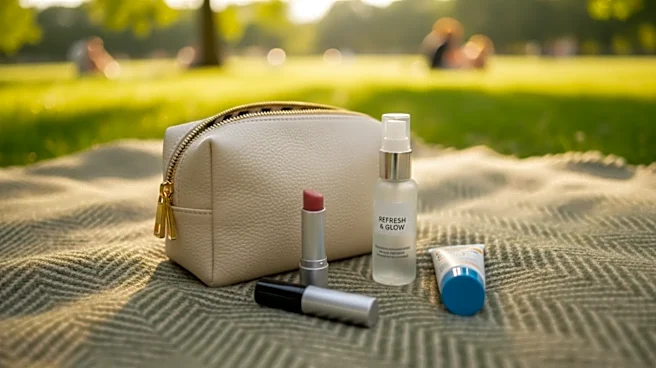
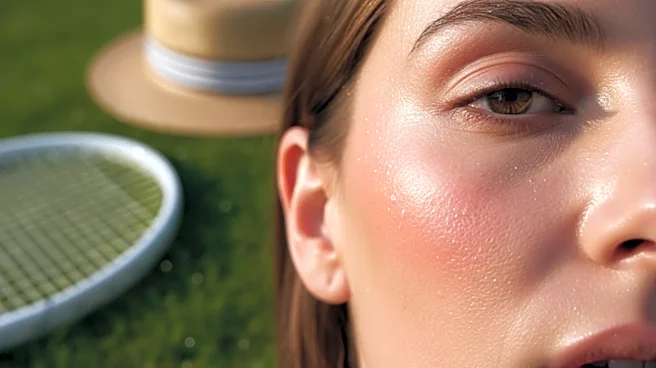
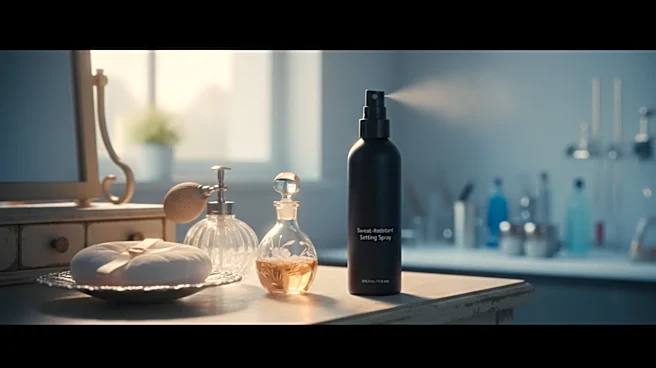
Summer presents a unique beauty challenge: the desire for a flawless, intentional look that can withstand heat, humidity, and long, active days. Enter the hero product of the modern summer edit: the sweat-resistant setting spray. More than just a final
step, this product is an insurance policy for your face. These sprays work by creating a flexible, breathable film over your makeup, using advanced polymers to form a protective barrier. This invisible shield prevents sweat and oil from breaking down your foundation, keeping everything from your concealer to your eyeshadow locked in place for hours. Originally developed for performers under hot stage lights, these sprays have become a mainstream necessity, promising a look that remains fresh and deliberate, whether you’re at a festival, a wedding, or just enduring a sweltering commute.
Decoding the Hyper-Specific Beauty Signal
Using a setting spray isn’t just about function; it’s about signaling something more specific. In an era of “glass skin,” “cloud skin,” and other hyper-specific aesthetics, achieving a look that stays put is a message in itself. It signals you are in the know, using sophisticated products to achieve an effortless effect that is, in reality, quite difficult. This is the “hyper-specific beauty signal”: a quiet broadcast of expertise and control. It’s the difference between simply wearing makeup and curating a look that communicates a certain awareness of current trends. As beauty becomes more intertwined with personal identity, these signals communicate our values, whether it’s a commitment to minimalist aesthetics or a dive into bold, experimental looks.
A Look Back at the 1920s Beauty Archive
Now, let's step back 100 years. The 1920s flapper, with her newfound social freedoms, faced a similar challenge. In the era of jazz clubs, marathon dance sessions, and a rejection of stiff Victorian norms, makeup became bold, expressive, and essential. But without air conditioning or modern formulas, how did they keep their faces from melting? The answer was heavy, constant application of face powder. The ideal complexion was a pale, perfectly matte canvas, a look that directly defied the heat and exertion of the time. This wasn't a natural look; it was a deliberate, constructed one that signaled modernity and rebellion. Their powders, often based on rice or talc, were the setting sprays of their day, constantly reapplied from ornate compacts to maintain a shine-free finish.
From Powdered Noses to Polymer Mists
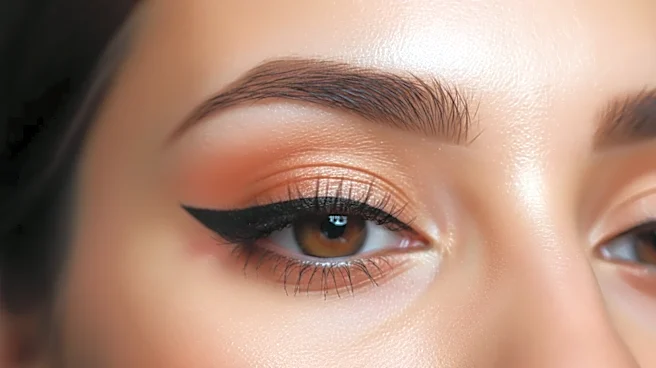
The defining makeup looks of the 1920s were themselves hyper-specific signals. The “Cupid’s bow” lip, a small, heart-shaped mouth drawn on with deep red lipstick, and the heavily kohl-rimmed, smoky eyes were unmistakable trademarks of the flapper identity. Achieving and maintaining this look required dedication. Women used metal stencils to get the perfect lip shape and carried their powders everywhere to blot away any hint of shine, ensuring their doll-like, matte complexion stayed intact. This constant maintenance was its own signal—a performance of feminine dedication to a very specific, fashionable ideal. Just as a modern setting spray locks in a dewy glow, their powders locked in a porcelain-matte finish. The technology has evolved from simple powder to sophisticated polymers, but the intent remains identical: to use the best tools available to preserve a look that sends a clear, stylish message.