


The Golden Rule of the Pilot
In screenwriting, there’s a concept called the “inciting incident.” It’s the moment that kicks the story into gear. In the first “Star Wars,” it’s when Luke Skywalker discovers Princess Leia’s message inside R2-D2. In “John Wick,” it’s when gangsters
steal his car and kill his dog. For decades, the rule of thumb for a TV pilot was to get this moment on screen as fast as possible, often within the first 10 or 15 minutes. The logic was simple: in a world of limited channels and weekly appointments, you had to hook the viewer immediately or risk them changing the channel forever. This single event upsets the protagonist's world and launches the central conflict that will define the entire series. It’s not just the beginning of the plot; it’s the promise to the audience about what kind of story they’re in for.
The Slow Burn of 'American Hostage'
Then you have a show like MGM+'s new drama, “American Hostage,” which premiered on September 20th. The series follows the tense story of a hostage crisis, but its pilot episode takes a deliberately leisurely pace. Instead of a dramatic event kicking things off, the show spends the bulk of its first hour steeping the audience in the mundane lives of its characters—the negotiator, the family, the soon-to-be-captor. The actual hostage-taking, the clear inciting incident that the entire series premise is built on, is held back. It’s a bold choice that prioritizes mood and character development over immediate plot fireworks. The show trusts that viewers, in a binge-watching era, will have the patience to stick around for the hook to finally embed itself.
Character First in 'Brothers'
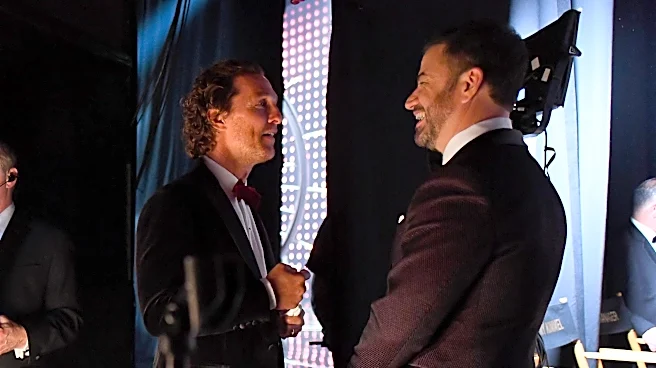
Apple TV+ is taking a similar bet with its much-hyped series “Brothers,” starring Matthew McConaughey and Woody Harrelson. Premiering September 23rd, the show's concept revolves around the duo playing fictionalized versions of themselves as they and their families live together on a Texas ranch. While a clear plot engine will presumably drive the series, the pilot is almost entirely dedicated to vibe. It’s a hangout episode, designed to let audiences luxuriate in the chemistry between its two iconic leads. The central conflict, whatever it may be, is secondary to establishing a world and a feeling. By the end of the first hour, you know the characters intimately, but the story’s primary question has yet to be asked. It's a confident move that leans on star power to delay the traditional narrative launch.
A Feature, Not a Bug
So, why is this happening? It’s not because writers have forgotten how to structure a story. This trend is a direct response to how we watch television now. In the age of streaming, the pilot episode is no longer a standalone sales pitch; it’s chapter one of a novel you already have on your nightstand. Writers and showrunners know the next episode is just a click away, which buys them the freedom to indulge in “slow burn” storytelling. They can prioritize world-building and complex character introductions, confident that the payoff doesn't need to be immediate. A common mistake for new writers is to treat the pilot as just setup, but what we're seeing is a deliberate, high-level creative choice to use the first hour more like a prologue than a frantic opening act. It’s a sign that television is becoming more cinematic, valuing atmosphere and immersion over the rigid, clockwork demands of old-school broadcast TV.