



More Than Just a 'Look'
First, let's address the elephant in the (very sparse) room. The version of Scandinavian minimalism sold on Instagram and in furniture catalogs is often reduced to a simple formula: neutral colors, natural materials, and a lack of clutter. It's treated
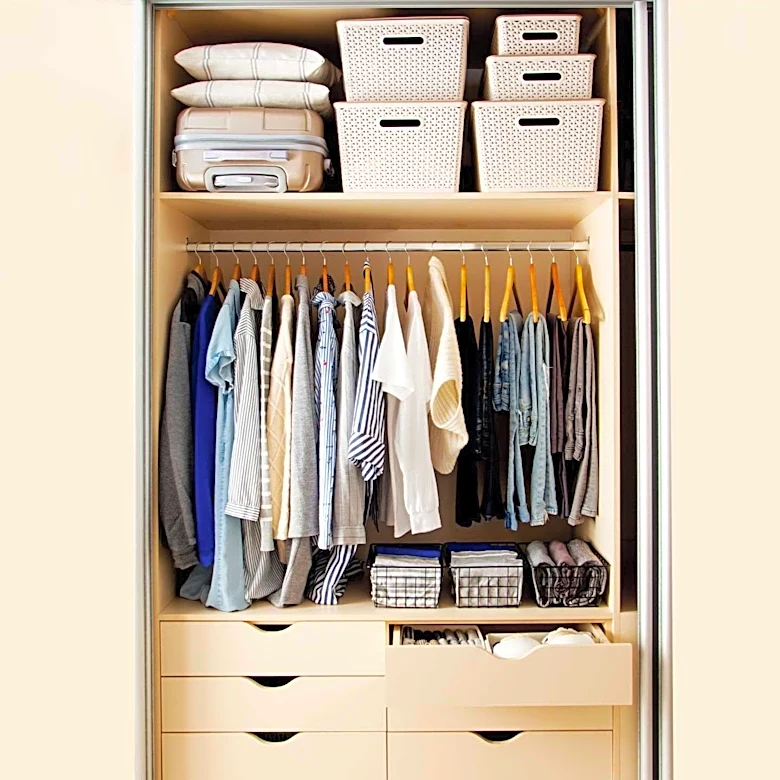
like an aesthetic you can purchase. While not entirely wrong, this view misses the 'why' behind the style. The American idea of a 'capsule wardrobe'—a limited collection of interchangeable clothing—is a useful analogy. It's a practical tactic, but it’s not a philosophy. True Scandinavian design isn't about rigid rules or owning as little as possible; it’s about making intentional, functional, and joyful choices that serve your life. The look is the byproduct of the philosophy, not the goal itself.
A History of Democratic Design
The style's origins are deeply political. Emerging in the early to mid-20th century, Scandinavian design grew alongside the rise of social democracy in Nordic countries like Denmark, Sweden, and Norway. Influenced by the functionalist Bauhaus school, designers like Alvar Aalto and Arne Jacobsen championed the idea that beautiful, well-made objects shouldn't be reserved for the wealthy. The goal was to use new industrial technologies to create affordable, durable, and practical furniture for the average family. This concept of 'democratic design' was about elevating everyday life for everyone. So, that simple, functional chair isn't just minimalist for minimalism's sake; it's a descendant of a movement built on equality and public good.
It’s a Feeling: Hygge, Lagom, and Friluftsliv
Unlike the often cold, stark feeling of pure minimalism, Scandinavian design is fundamentally about creating human warmth and contentment. This is where concepts like 'hygge,' 'lagom,' and 'friluftsliv' come in. 'Hygge' (a Danish and Norwegian term) is the famous feeling of coziness, contentment, and well-being, often achieved with candles, warm blankets, and good company. 'Lagom,' a Swedish concept, means 'just the right amount'—not too much, not too little. It's a philosophy of balance and moderation. 'Friluftsliv,' or 'free-air living,' is the Nordic passion for spending time outdoors, no matter the weather. These cultural pillars show that the minimalist home is a tool—a calm, functional backdrop that enables a life of coziness, balance, and connection with nature.
A Deep Connection to Nature
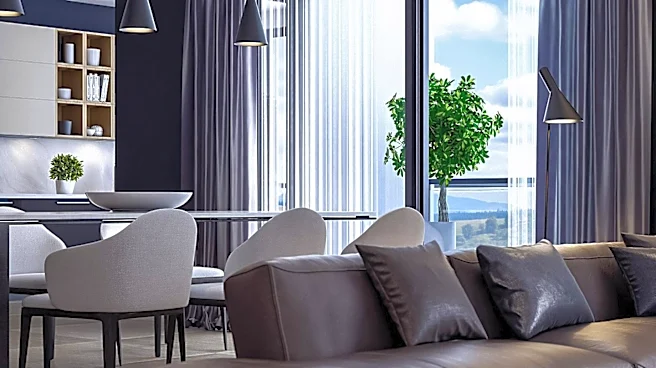
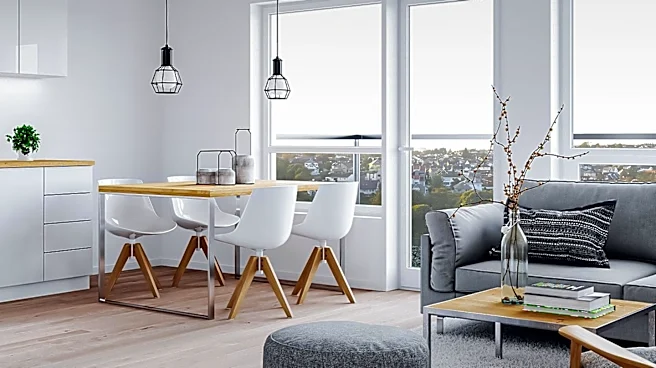
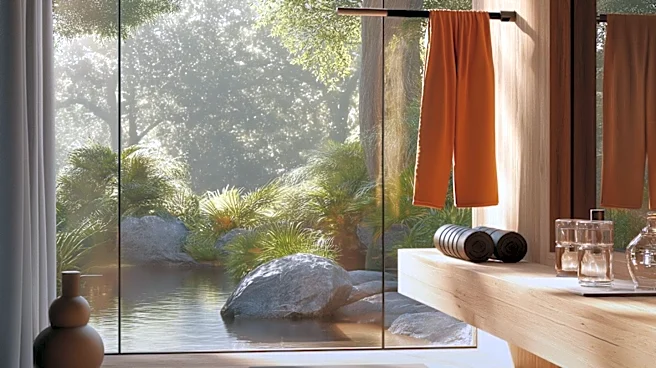
The Nordic landscape directly shapes the design aesthetic. Long, dark winters necessitate interiors that maximize and celebrate light. This is why you see large, unadorned windows, light-colored walls, and reflective surfaces. The profound connection to the outdoors, or friluftsliv, also means bringing natural materials inside. Light-colored woods like ash and oak, wool, linen, and leather are all staples that add texture and warmth, preventing spaces from feeling clinical. This use of natural materials isn’t just a stylistic choice; it’s about creating harmony with the surrounding environment and appreciating the simple beauty of organic forms.
Sustainability as a Core Tenet
Long before 'sustainable' became a buzzword, its principles were embedded in the Scandinavian mindset. The philosophy encourages buying fewer, higher-quality items that are built to last a lifetime. This is the opposite of fast fashion and disposable furniture culture. By prioritizing craftsmanship, durability, and timeless design, the style inherently pushes back against overconsumption. A well-made chair or table is seen as an investment to be passed down through generations, not a trend to be replaced next season. This focus on longevity and natural, biodegradable materials makes it an inherently eco-conscious approach to living, aligning perfectly with modern concerns about environmental impact.