
An Unlikely Blockbuster on Paper
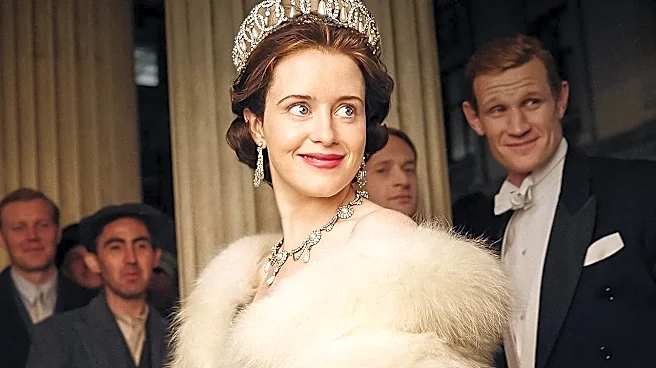
In an era increasingly dominated by big-budget spectacles, 'The Queen' looked like a commercial longshot. It was a British historical drama focused on the inner turmoil of Queen Elizabeth II in the week
following Princess Diana's 1997 death. With a modest budget of just $15 million, it featured no explosions, no special effects, and a narrative centered on dialogue and quiet reflection. The film's subject matter—the clash between a deeply traditional monarchy and a public demanding modern emotional expression—was intensely British. Few in Hollywood would have bet that this nuanced character study would go on to gross over $123 million worldwide and become a major cultural and financial event.
The Strategy: Start Small, Build Buzz
Instead of a wide release that would have seen it crushed by studio tentpoles, distributors Miramax and Pathé opted for a classic 'platform release'. The film opened in just a handful of theaters in New York and Los Angeles. This strategy allowed 'The Queen' to build momentum organically. Rave reviews poured in, particularly for Helen Mirren's transformative performance as the monarch. Word-of-mouth spread among its target demographic: older, discerning adults who were often underserved by mainstream Hollywood fare. As buzz and critical acclaim grew, the film slowly expanded its theatrical footprint, city by city, proving that a film didn't need a massive opening weekend to become a hit.
The 'Mirren Factor' and Awards as Marketing
The film’s financial success was inextricably linked to Helen Mirren's tour-de-force performance. Her portrayal was so compelling that it generated Oscar buzz months before the nominations were even announced, earning standing ovations at festivals. The studio leveraged this perfectly, turning the awards season into a powerful marketing engine. Every nomination and win, culminating in Mirren’s Academy Award for Best Actress, served as a fresh news hook and a powerful advertisement. This created a feedback loop: the awards buzz drove audiences to theaters, and the resulting box office success further legitimized its status as a major contender. It was a masterclass in how critical acclaim could be directly converted into ticket sales.
A New Equation for Profitability
The standard Hollywood formula values a huge opening weekend, followed by a predictable, steep decline in subsequent weeks. 'The Queen' flipped that script. It demonstrated the power of the 'long tail', earning its revenue steadily over many months. Its box office performance often grew week-over-week as it expanded into new markets and benefited from awards-season publicity. This performance proved that a different kind of math was possible. By keeping the production budget low ($15 million) and the marketing targeted, the film didn't need to earn blockbuster numbers to be wildly profitable. It offered a blueprint for how mid-budget, adult-oriented dramas could be low-risk, high-reward investments, a model that would influence the strategies behind future prestige hits like 'The King's Speech' and 'Slumdog Millionaire'.