



An Ethos of Discovery
Unlike festivals driven by market buzz and celebrity photo-ops, Telluride's identity is rooted in a pure, unadulterated love for cinema. The festival is operated by the National Film Preserve, and that name is not an accident. Its official mission includes
promoting the "discovery of new trends and directions in film, as well as to unveil lost masterpieces and unheralded artists of the past." This creates a unique environment where a brand-new film from an emerging director shares the spotlight with a meticulously restored classic from the 1920s. For the passionate cinephiles who make the annual pilgrimage, the thrill of seeing a forgotten work in pristine condition is just as powerful as catching a future Oscar winner before anyone else. It’s a festival built not on commerce, but on a shared sense of reverence for the art form itself.
The Urgent Race Against Time
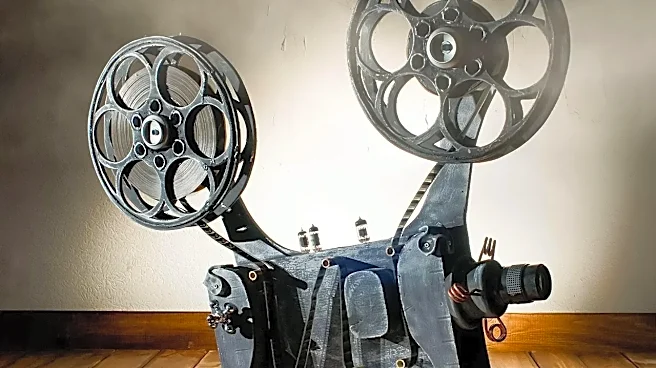
The focus on preservation isn't merely an academic exercise; it's a rescue mission. Physical film is a fragile medium. For decades, movies were printed on nitrate stock, a material so combustible it has been responsible for devastating vault fires. It also chemically decomposes over time, turning to dust. Later “safety” film stocks faced their own issues, like “Vinegar Syndrome,” where the film base shrinks and releases a tell-tale acetic acid smell as it deteriorates. Colors fade, sound warps, and splices break. The result is that a significant portion of our global cinematic heritage is in danger of being lost forever. Organizations like Martin Scorsese’s The Film Foundation, which has been honored at Telluride, work tirelessly with archives around the world to save these films before it's too late. Each restoration presented at the festival is a victory against decay.
More Than a Digital Polish
Film restoration is a painstaking blend of art and science. It can involve physically repairing damaged filmstrips, frame by frame, or conducting complex digital scans to remove dirt, scratches, and instability. Restorers often become cinematic detectives, hunting down different surviving prints of a film to piece together the most complete version. They research the original production to make crucial decisions about color grading and sound mixing, aiming to replicate the director's original vision. When a 4K restoration of a classic like Charles Chaplin's "The Gold Rush" or an international gem like Idrissa Ouédraogo's "YAM DAABO" screens at Telluride, the audience is seeing the result of thousands of hours of dedicated labor. It’s not just an old movie; it’s a resurrected piece of art, presented as closely as possible to how its creators intended.
Why Telluride is the Perfect Showcase
The festival’s remote, egalitarian atmosphere makes it the ideal sanctuary for celebrating film’s past. Removed from the industry pressures of bigger, market-focused events, the conversation at Telluride is about the work itself. Directors, archivists, and scholars can present a restoration and know the audience is there to genuinely engage with it. The schedule, famously kept secret until the last minute, encourages attendees to take chances on films they’ve never heard of, including revival programs. This culture of trust and curiosity ensures that a 70-year-old Mexican film or a forgotten Iranian classic gets the same respectful attention as a major Hollywood debut. By programming restored films so prominently, Telluride makes a powerful statement: that cinema history is not a static relic, but a living, breathing part of its present and future.