






The End Is the Story
What made The Last Dance so captivating wasn’t just the Chicago Bulls’ historic dominance. It was the human drama of an icon facing his athletic mortality. Every game was framed by the knowledge that it was all coming to an end. The documentary found
its soul in the tension between greatness and goodbye, reminding us that the final chapter often defines the entire story. We weren't just watching basketball; we were watching a legend race against time, trying to write one last perfect verse. This narrative—the final, uncertain run—is the most potent story in sports, and right now, it’s playing out on soccer fields across the globe.
A World Cup of Farewells
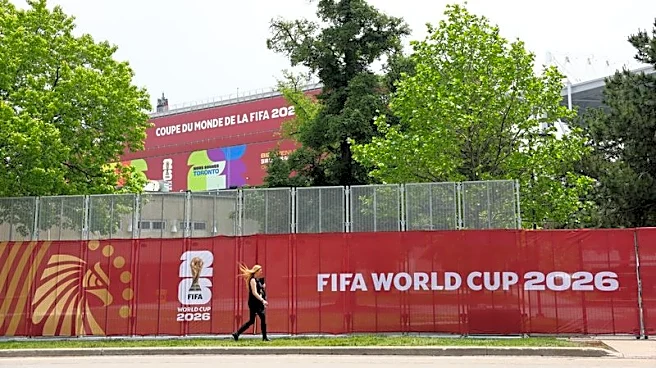
The 2026 World Cup is a living, breathing Last Dance for a generation of icons. For nearly two decades, Lionel Messi and Cristiano Ronaldo have defined the sport. Now, at 39 and 41 respectively, their presence at this tournament is colored by the unspoken reality that this is almost certainly their final appearance on the world's biggest stage. Every touch of the ball, every goal, and every reaction carries the weight of their epic careers. Fan tributes and songs across the internet echo the theme of "one last dance." When Messi became emotional after a recent victory, citing difficult personal days and the support of his family and teammates, it humanized the icon and underscored the immense pressure of this final act. These moments are no longer just about winning a match; they are about savoring the last glimpses of transcendent greatness before it fades.
More Than a Uniform
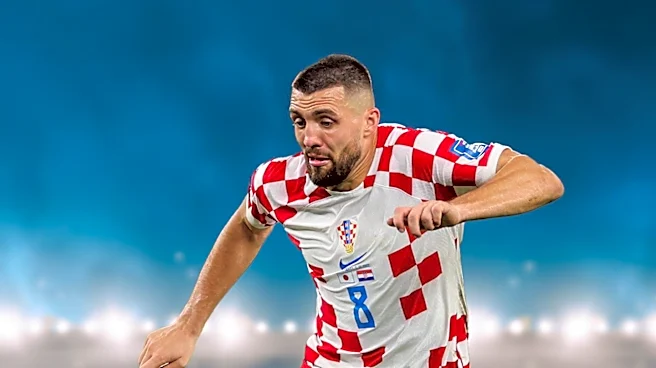
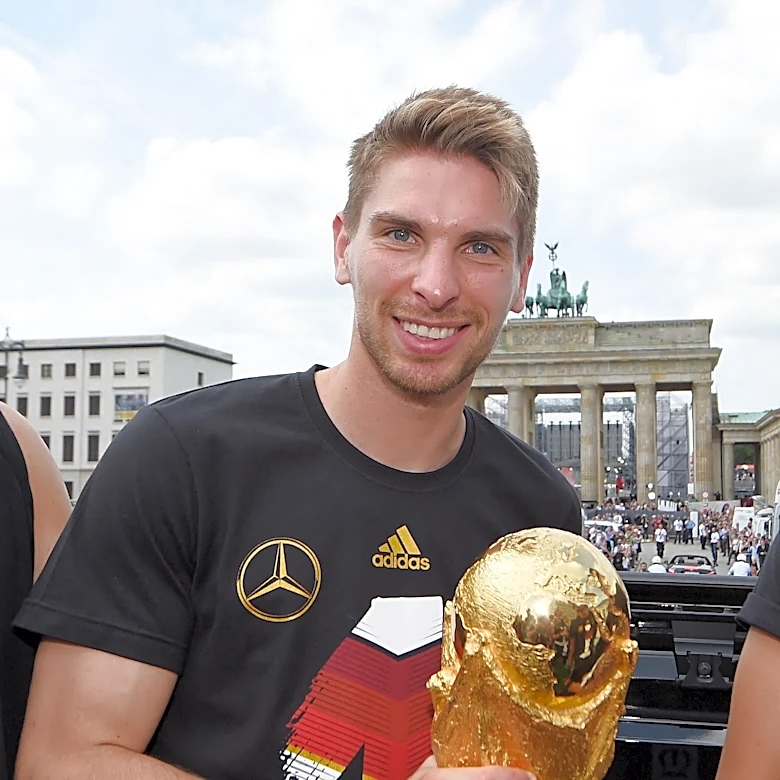
The emotional goodbyes extend beyond the international stage. Club football, with its week-in, week-out rhythm, creates an even more intimate bond between player and fan. When a legend retires from the club they’ve defined for a decade, it feels like a personal loss. The recent retirement of German midfielder Toni Kroos from Real Madrid is a perfect example. After winning another Champions League title, he chose to end his career at his absolute peak, stating his ambition was to finish at the highest level. His emotional farewell letters and the outpouring from fans demonstrated the deep connection forged over ten years of sustained excellence. Similarly, the speculation around 40-year-old Luka Modrić's future with both Croatia and his club creates a similar sense of impending farewell, with the player himself acknowledging he is near the end. These departures aren't just a roster change; they are the end of an era that fans have built their sporting lives around.
The Beauty in the Bittersweet
So why do these moments produce such a powerful, collective emotional response? Unlike the pure joy of a championship, a "Last Dance" is inherently bittersweet. It forces fans to confront the passage of time—not just for their heroes, but for themselves. The tears are for the player, but they are also for the memories we’ve attached to their careers. For many, an athlete's career serves as a marker for their own lives. Retiring from a sport is a profound psychological challenge for athletes, often triggering a loss of identity and purpose. Fans, in a different way, experience a version of this loss, too. The shared sadness of saying goodbye to a player who has provided years of joy, drama, and inspiration is a powerful bonding agent. It's a communal acknowledgment that something beautiful and irreplaceable is ending, and that shared grief is as much a part of fandom as shared celebration.