


First, What Is Traditional Korean Ulzzang?
Before diving into the Japanese interpretation, it’s important to understand the original. The term “Ulzzang” literally translates to “best face” in Korean and originated in the early 2000s on social media sites where users voted for the most attractive
faces. The resulting aesthetic is defined by a youthful, almost doll-like appearance. Key features include flawless, poreless skin, large and round-looking eyes often accentuated with “puppy dog” eyeliner that slopes downwards, straight eyebrows, and gradient lips. It’s a curated look that combines meticulous skincare with precise makeup techniques to create an image of innocent, natural beauty.
The Japanese Twist: Softer and More Natural
So, where does Japan fit in? As K-beauty trends spread, Japanese makeup artists and enthusiasts began adapting the Ulzzang look to fit their own popular aesthetics, which often prioritize a softer, more “kawaii” (cute) or natural feel. Where Korean Ulzzang can be about achieving a pristine, almost porcelain perfection, the Japanese version pulls back. It blends the core Ulzzang principles—like emphasizing youth and bright eyes—with classic J-beauty values like dewy skin and a prominent, healthy-looking flush. The result is less about transformation and more about enhancing one's features in a delicate, understated way.
The Base: A Dewy, Translucent Glow
The foundation of the Japanese Ulzzang look is dewy, hydrated skin that looks like your own, but better. While the Korean version might strive for a flawless, semi-matte “glass skin” effect, the Japanese approach is often more luminous and sheer. This is achieved by using lightweight BB creams, cushion foundations with a glowing finish, or even just a good concealer on problem spots. The goal isn’t to mask the skin but to even it out while maintaining a fresh, translucent quality. Powder is used sparingly, just enough to set makeup without killing the shine.
The Eyes: Soft, Bright, and Elongated
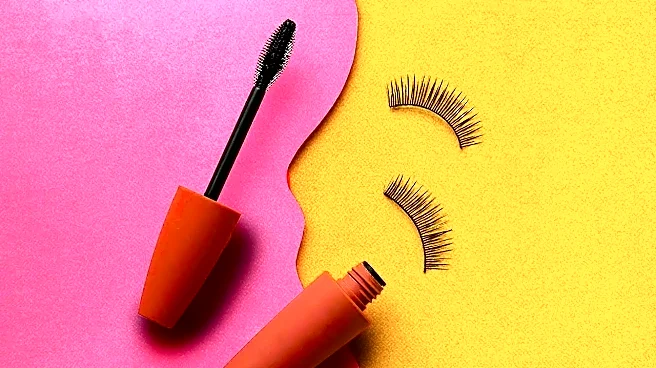
Both styles want to make the eyes appear larger, but the technique differs. Instead of the stark, downward-sloping black liner of the classic Korean “puppy eye,” the Japanese Ulzzang look often uses a soft brown eyeliner or even just a dark brown eyeshadow to create a very thin, subtle wing that elongates the eye horizontally. Eyeshadows are typically in neutral, shimmery shades like peach or pink to brighten the lids. Lashes are curled and defined with a lengthening mascara for a feathery look, avoiding the heavy false lashes sometimes seen in other styles. The “aegyo sal,” or the small pocket of fat under the eye, is often highlighted with a soft shimmer to enhance the youthful appearance.
The Cheeks: The Signature 'Igari' Flush
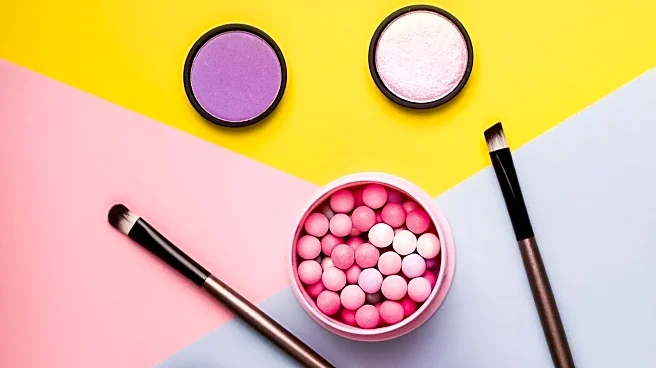
Herein lies the biggest difference. The Japanese Ulzzang look is famous for its prominent blush, often using the “Igari” or “hangover” technique. Named after makeup artist Igari Shinobu, this involves applying a rosy or coral blush high on the cheekbones, directly under the eyes, and often sweeping it across the bridge of the nose. This creates a youthful, sun-kissed, or slightly tipsy flush that looks both innocent and sweet. Cream and liquid blushes are preferred as they melt into the skin for a more natural, dewy finish, a stark contrast to the more subtly sculpted cheeks in many Korean styles.
The Lips: Juicy, Glossy Tints
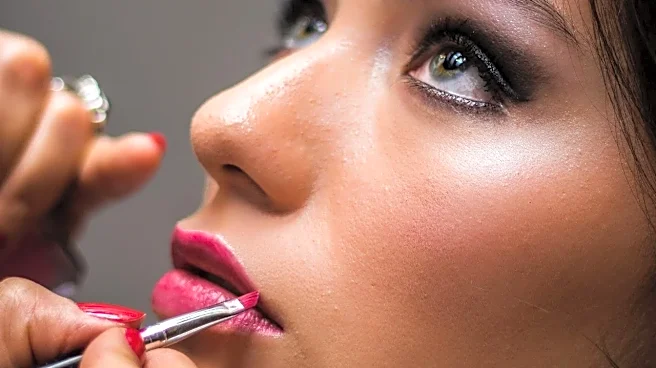
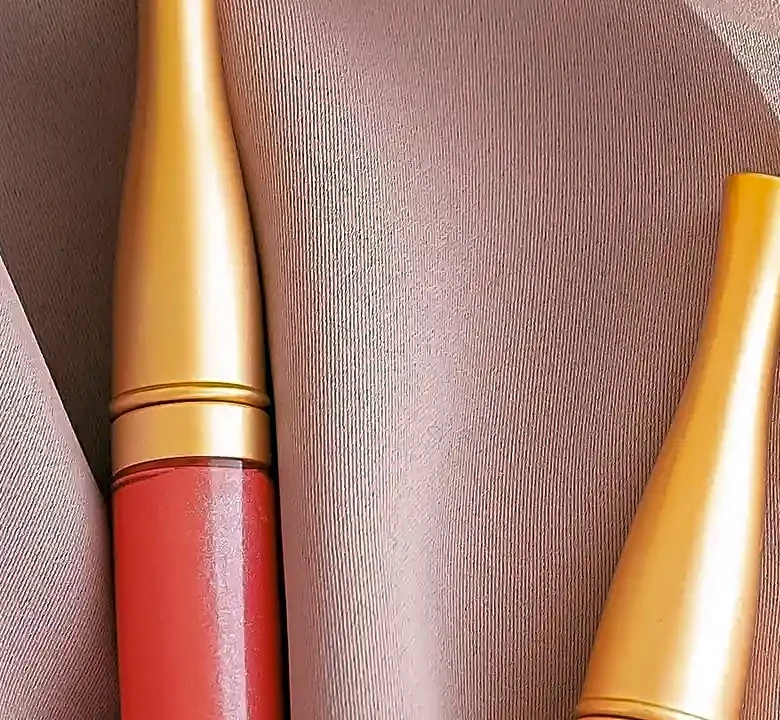
While the Korean gradient lip is iconic, the Japanese interpretation tends to favor a glossier, more hydrated finish. The color is still often concentrated on the inner part of the lips, but it’s blended outwards into a sheer wash that’s topped with a clear or tinted gloss. This creates a “juicy” pout that looks plump and moisturized. The preferred colors are often soft pinks, corals, and rosy reds, aligning with the overall delicate and sweet aesthetic of the look. The sharp demarcation of some gradient lips is softened in favor of a blurred, glossy stain.