





1. The Aging 'Golden Generation'
It’s a beautiful narrative: a beloved core of legendary players gets one last shot at glory. The reality is often less romantic. When a team’s spine is composed of superstars on the wrong side of 30, they risk being a step too slow for the tournament's
unforgiving pace. These players may still possess world-class vision and technique, but the World Cup demands relentless physical output over seven games in a month. Younger, hungrier opponents can exploit that missing yard of pace or a slightly slower recovery time. We saw this with Spain in 2014, whose tiki-taka masters looked tired and were overrun by more athletic Dutch and Chilean sides. More recently, Belgium’s celebrated 'Golden Generation' arrived in Qatar 2022 looking more bronze, exiting in the group stage as their aging stars failed to ignite.
2. Over-reliance on a Single Superstar
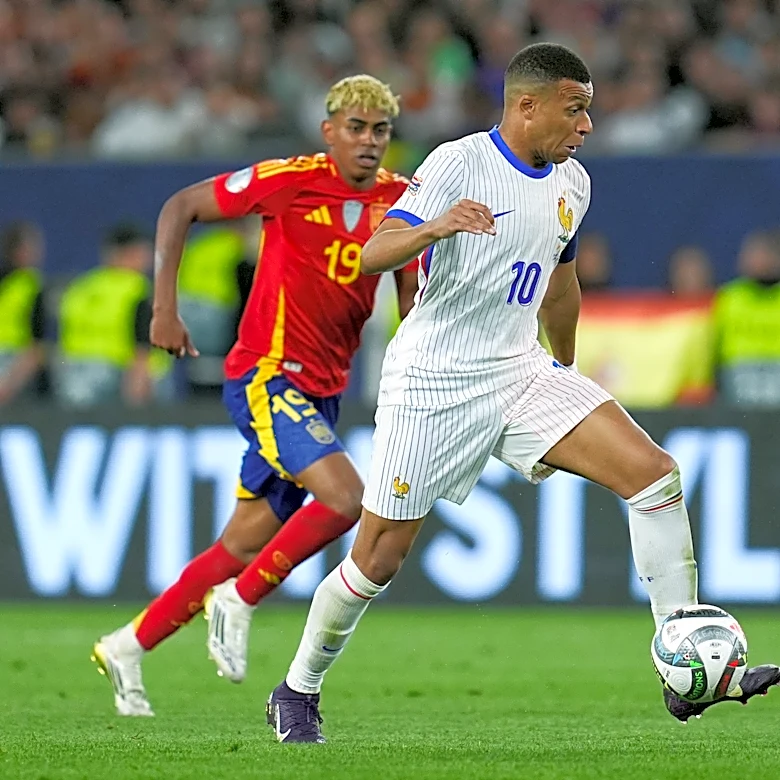
Having a Messi or a Mbappé is an incredible advantage—until it becomes a crutch. When a team’s entire tactical and emotional identity is built around one player, they become dangerously fragile. The plan becomes 'give the ball to the genius and pray.' If that star has an off day, gets injured, or is tactically neutralized by a smart opponent, the whole system can short-circuit. The most devastating example is Brazil in 2014. After Neymar was injured in the quarter-final, the team suffered a complete emotional and structural collapse, leading to the infamous 7-1 semi-final humiliation against Germany. Argentina in 2022 flirted with this very problem after their shocking opening loss to Saudi Arabia, but they corrected course, proving they were a true team built around Lionel Messi, not just a collection of his supporting actors.
3. Tactical Stubbornness
The manager who revolutionized the game can easily become its next victim. A tactical system that was once unstoppable can become predictable if the coach refuses to adapt. Opponents have years to study, dissect, and devise antidotes. Germany’s Joachim Löw is a prime case study. His possession-based, high-pressing system delivered the 2014 World Cup. But by 2018, the world had caught on. Opponents sat back, absorbed pressure, and hit Germany on the counter-attack, leading to a humiliating group stage exit. Rather than evolving, he doubled down, and the team suffered a similar fate at Euro 2020. A great system is an asset; an inflexible one is a liability waiting to be exposed on the world’s biggest stage.
4. The Ticking Time Bomb of Internal Drama
Talent on paper means nothing if the locker room is a war zone. The intense, high-pressure environment of a World Cup training camp can magnify simmering tensions between players, coaches, and the national federation. When egos clash, arguments over tactics become personal, and disputes over bonuses or team selection create factions, the on-field performance is always the first casualty. The French national team has practically made this an art form. Their 2010 campaign in South Africa is the gold standard of implosions, featuring a player strike, public arguments, and a complete meltdown. They were the reigning runners-up and exited without a single win. No amount of skill can overcome a team that is actively working against itself.
5. The Burden of Expectation
Finally, there's the invisible opponent: pressure. For top-tier nations, especially the host, the weight of public and media expectation can be crushing. Every touch is scrutinized, every missed chance is a national crisis. This pressure can paralyze a team, making them play with fear rather than freedom. Players may become hesitant, afraid to take the risks that win tight games. We saw a version of this with Brazil in 2014, where the players were visibly weeping from the pressure even before their infamous semi-final defeat. While some teams thrive as favorites, others crumble, proving that the toughest battles at the World Cup are often fought in the mind.