




The Runway's Six-Month Rule
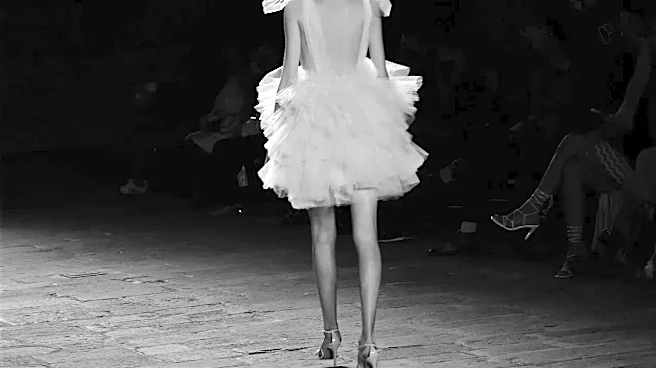
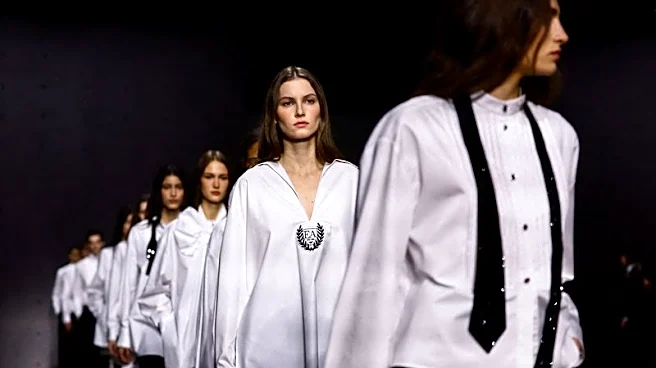
The traditional fashion industry is built on a system of deliberate delay. Designers present their collections on runways in New York, London, Milan, and Paris roughly six months before those clothes are available in stores. A Spring/Summer collection shown
in September won't hit retail until February, while an Autumn/Winter collection from February arrives in July or August. This built-in lag is designed to give buyers time to place orders, magazines time to photograph editorials, and manufacturers time to produce the garments at scale. It’s a methodical, planned-out process that turns fashion into a seasonal commodity. The runway sets the tone, but it’s a long and winding road from the catwalk to your closet. This system was created for a pre-internet world, and while it still forms the backbone of the luxury market, it's a world away from the instant feedback loop of a major pop culture event.
An Engine for Instant Gratification
The VMAs, in contrast, are a spectacle built for the social media age. The journey from red carpet to consumer consciousness is no longer measured in months, but in moments. A look is worn, photographed, and instantly broadcast to millions across platforms like TikTok and Instagram, where it's dissected, celebrated, or memed in real-time. This creates immediate demand, collapsing the traditional trend adoption curve. While fast-fashion brands have been shrinking the runway-to-retail timeline for years, the VMAs bypass the industry structure entirely. The audience is younger, more digitally fluent, and expects a direct connection. An outfit isn't just a garment; it's content, a viral moment waiting to happen that can be shopped, or more often, duped by ultra-fast fashion retailers, within days or weeks.
Where Personality Trumps Product
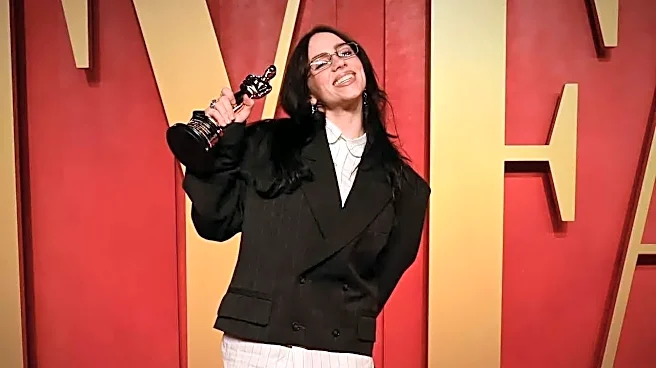
On a traditional runway, models are often meant to be blank canvases, serving as hangers to display a designer's vision. At the VMAs, the opposite is true. The celebrity's personality is the main event, and the fashion is a tool for storytelling and brand-building. Unlike other awards shows that lean into classic elegance, the VMAs have a long history of encouraging wild, expressive, and even bizarre style choices. Think of Lil' Kim's iconic 1999 purple pasty jumpsuit or Lady Gaga's 2010 meat dress. These aren't just outfits; they are statements of identity and performance art. Musicians, more than actors, often build their entire careers on cultivating a specific, evolving aesthetic. The VMA red carpet becomes a platform for them to debut a new era, create a deliberate provocation, or simply let their freak flag fly—something a commercial runway collection rarely has the freedom to do.
A Playground for Provocation
Because the VMAs reward spectacle, stylists and designers often use the red carpet as a laboratory for their most daring ideas. It’s a lower-risk, higher-reward environment for avant-garde fashion compared to a high-stakes runway show where commercial viability is key. A look that might be deemed too risky or unwearable for a department store can become an iconic cultural moment at the VMAs. This reputation for outrageousness creates a self-fulfilling prophecy: artists and designers come to the VMAs expecting to make a splash, pushing the boundaries of what's considered acceptable red carpet attire. From Rose McGowan's see-through dress in 1998 to the many 'naked dresses' that have followed, the event has cemented itself as fashion's wildest stage, a place where trends aren't just followed but are actively born from a desire to be seen and remembered.