



An Echo of the '60s Counter-Culture
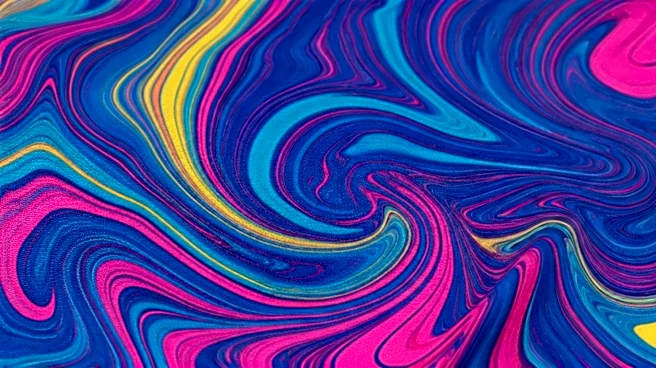
Before we get to the modern twist, let’s set the scene. The original psychedelic prints that emerged in the mid-to-late 1960s were a direct reflection of the era's cultural revolution. They were visual chaos, designed to mimic the mind-altering experiences
associated with the counter-culture. Think swirling paisley, vibrating op-art patterns, and colors that seemed to bleed into one another. Designers like Emilio Pucci, the “Prince of Prints,” became famous for their energetic, free-flowing graphics that captured a new sense of liberation and movement. For decades, these prints have served as shorthand for a specific brand of bohemian, free-spirited style. When you saw them, you thought of Woodstock, lava lamps, and a general rejection of rigid, post-war conformity. The patterns were often intentionally imperfect, with the slight blurriness of screen-printing adding to their organic, handmade feel.
The Art of Controlled Chaos
Today’s psychedelic revival looks different up close. The promise of the headline—“more precise than it looks”—hinges on a technological leap. While the originals were defined by their analog fuzziness, the new wave is razor-sharp. The secret is digital printing. This technology allows designers to create patterns with an unprecedented level of detail and control. What appears to be a random, free-flowing swirl is often a high-resolution digital file printed directly onto fabric. The lines are crisp, the color gradients are flawless, and there’s no ink bleed. This precision allows for a new kind of visual trickery. It’s the aesthetic of chaos rendered with the perfection of a machine. You get the dizzying, hypnotic effect of a 1960s pattern but with a clarity that feels distinctly 21st-century. It’s less about mimicking a drug trip and more about celebrating the power of pure, saturated, and perfectly executed design.
Symmetry in the Swirl
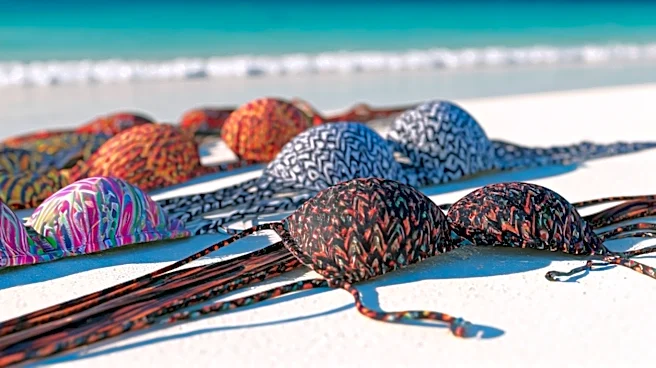
This new precision has unlocked a key design element that separates the revival from the original: symmetry. Many of the most popular “psychedelic” prints today are actually intricate kaleidoscopic or mirrored patterns. A wild, abstract motif on the left side of a swimsuit is often a perfect, digitally flipped reflection of the right. This creates a powerful sense of underlying order within the visual noise. It plays with the viewer's perception, offering a pattern that feels both wildly expressive and mathematically controlled at the same time. This isn’t the loose, all-over paisley of the past. It’s a deliberate, engineered composition that uses the language of psychedelia to create something structured and new. The swimsuits become wearable Rorschach tests—symmetrical, mesmerizing, and far more considered than a simple splash of color.
A Dopamine-Fueled Comeback
So, why now? This revival isn’t just about new technology; it’s about a cultural mood. In a world emerging from years of uncertainty and a fashion cycle dominated by muted loungewear, there's a collective thirst for joy, optimism, and unapologetic self-expression. This is the era of “dopamine dressing”—the idea that wearing bright, bold, and uplifting clothing can genuinely boost your mood. Psychedelic prints are the perfect uniform for this movement. They are inherently joyful, escapist, and impossible to ignore. They radiate energy. Putting on a swimsuit covered in vibrant, swirling colors feels like an act of defiance against subtlety and a full-throated embrace of fun. It’s a visual statement that you’re ready to be out in the world, to be seen, and to celebrate.