




More Than Just Embellishment
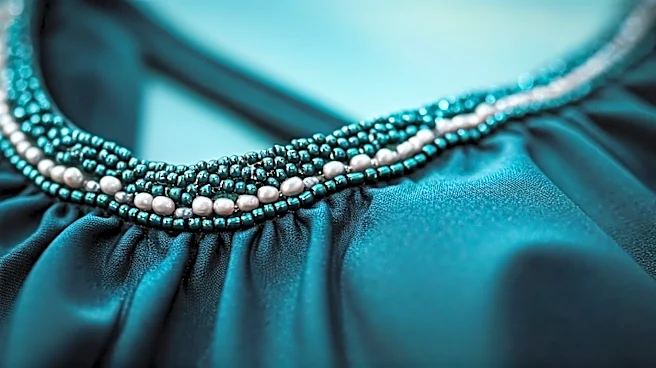
First, let’s be clear: this isn’t the flashy, mass-produced sequin work you might find on a festival top. The trend captivating the high-end market involves meticulous, labor-intensive craftsmanship. Think freshwater pearls delicately tracing the line
of a bikini top, tiny crystals catching the light like sea spray on a halter strap, or clusters of glass beads forming an abstract pattern on a bodice. Unlike glued-on rhinestones, these details are hand-stitched, often by skilled artisans, directly into the fabric. The result is a garment that feels substantial and unique, with a texture and depth that machine work simply cannot replicate. It’s a tactile experience as much as a visual one. The weight of the beads, the way they move with the body—it all communicates a sense of quality that is felt before it’s even fully seen.
A Quiet Rebellion Against Fast Fashion
So why is this happening now? In many ways, the rise of hand-beaded swimwear is a direct response to the hyper-fast, disposable nature of modern fashion. For years, the swimwear market has been dominated by fleeting trends and low price points, encouraging a cycle of buying and discarding. The hand-beaded piece stands in stark opposition to that ethos. It’s an investment. The time, skill, and cost involved in its creation position it as something to be cherished, cared for, and worn for many seasons. This aligns perfectly with the broader “quiet luxury” movement, where status is conveyed not through conspicuous logos, but through impeccable quality, rare materials, and discernible craftsmanship. A hand-beaded swimsuit tells a story of artistry and patience, signaling a wearer who values substance over sizzle and timelessness over trendiness. It’s a sophisticated flex, understood by those who know what to look for.
From the Beach to the Bar
This elevation in craftsmanship has also fundamentally changed how such pieces are worn. A beautifully beaded bikini top is far too special to be confined to the beach. Designers are creating these pieces with versatility in mind, blurring the lines between swimwear and ready-to-wear. A top from a brand like Magda Butrym, known for its sculptural forms and pearl accents, functions just as well as a crop top paired with a high-waisted linen trouser or peeking out from under an open blazer for an evening cocktail. This versatility helps justify the higher price tag; you’re not just buying a swimsuit, you’re buying a statement top that happens to be waterproof. This dual-purpose design encourages a more sustainable mindset, promoting the idea of a smaller, more curated wardrobe where each piece works harder.
The New Standard of Luxury
Ultimately, the hand-beaded detail is more than just a pretty flourish. It’s a microcosm of a larger shift in the luxury landscape. As consumers become more discerning, the old markers of expense are losing their power. A visible logo no longer guarantees quality, but the evidence of a human hand at work does. Brands like Oséree, with their signature glittering Lurex and crystal-embellished styles, have built entire identities around this concept of elevated, decorative swimwear. They prove that there is a strong market for swimwear that is both glamorous and artfully made. The quiet ripple of a hand-beaded trim is becoming a new high-water mark, challenging other brands to move beyond simple prints and cuts and invest in details that tell a richer, more authentic story of luxury.