






The Perfect Ending We Already Had
Let’s be honest: Toy Story 3 gave us one of the most perfect endings in cinema history. Andy, on the cusp of adulthood, bequeaths his cherished toys to a new child, Bonnie. He plays with them one last time, a bittersweet scene that felt like a generational
handover. For the toys, it was a new purpose. For the audience, it was a beautiful, heart-wrenching acknowledgment that we all have to grow up and say goodbye. Woody’s final, quiet “So long, partner” was the period at the end of a flawless sentence. The trilogy was complete. The themes of loyalty, purpose, and the pain of moving on were resolved with profound grace. It was, for all intents and purposes, the end. Many fans left the theater in 2010 feeling a deep sense of satisfaction and closure. The story was done, and it was done right.
Toy Story 4’s Shocking Divorce
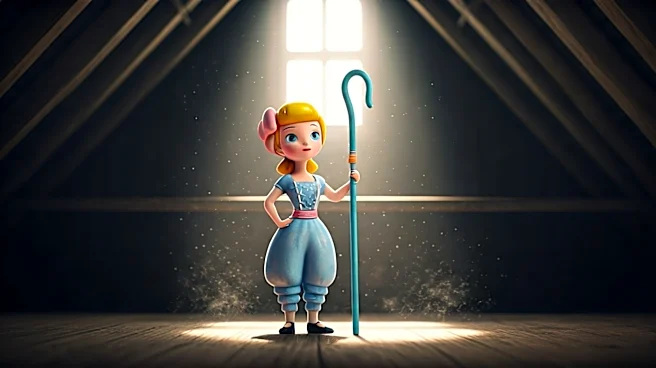
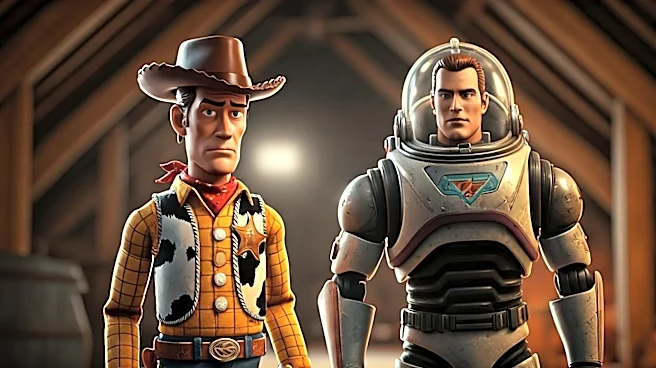
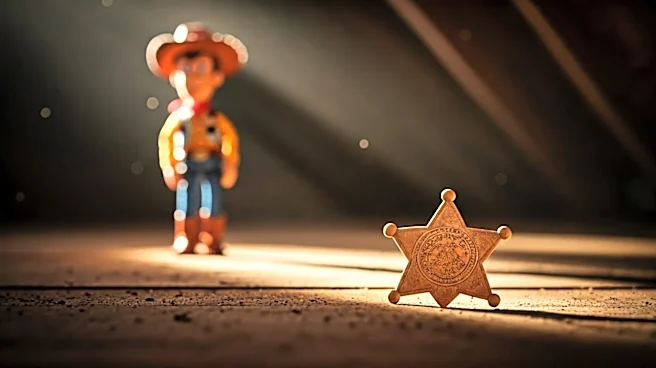
Then came Toy Story 4. On its own merits, it’s a visually stunning, funny, and inventive adventure. Forky is a brilliant creation, and the return of Bo Peep gave a legacy character new depth. But the ending was a narrative earthquake. Woody, the steadfast leader who preached for three films that a toy’s job is to be there for their kid—and for each other—decides to leave his family. He abandons Buzz, Jessie, Bullseye, and the rest of the gang to become a “lost toy” with Bo. It was framed as an act of self-actualization, a cowboy finally choosing his own path. But for millions who grew up with the mantra of “You’ve Got a Friend in Me,” it felt like a divorce. The core family, the very heart of the franchise, was shattered. Buzz and Woody’s final glance across a carnival parking lot wasn’t bittersweet; for many, it was just bitter. It prioritized one character's individual journey over the collective spirit that made the series so beloved.
Defining the 'Unfinished Business'
This is the “unfinished business” that Toy Story 4 left behind. It’s not a plot hole, but an emotional one. The film’s defenders argued that Woody earned his retirement, that he deserved to find his own happiness after decades of service. That’s a valid reading. But it fundamentally misunderstands the series’ central promise: these toys are a family, bound by an unbreakable bond. Their strength was their unity. Toy Story 4 proposed that individual happiness was more important than that bond, a very modern, very human idea that felt alien in this world of plastic and stuffing. The unfinished business, then, is the unresolved grief of that separation. We were left with two broken families: Woody and Bo on one side, and Buzz leading a shell-shocked group on the other. The film ends before we ever see how the remaining toys process the departure of their leader and best friend. It simply cuts to black, leaving a gaping emotional wound.
What Toy Story 5 Can Finally Fix
The existence of Toy Story 5 is an acknowledgment that this wound exists. It gives fans who felt let down by the fourth film’s conclusion a voice. It says, “You were right to feel like something was missing.” A fifth movie isn’t just an opportunity for another adventure; it’s a chance for reconciliation. The story doesn’t need to undo Woody’s choice, but it must address its consequences. What does the world look like for Buzz and the gang without their sheriff? How does Woody feel, truly, being separated from the family he spent a lifetime protecting? Toy Story 5 has the unique narrative burden and opportunity to explore the fallout. It can be a story about reunion, about realizing that some bonds are too important to leave behind permanently, or about redefining what “being there for each other” means when you’re physically apart. It has the chance to restore the franchise's core theme of unwavering friendship, even if that friendship has been tested and changed.