



Silence Becomes a Group Contract
The central rule of the film is brutally simple: make a sound and you die. The alien creatures that have taken over the world are blind but possess hypersensitive hearing. From the shocking opening scene, the film teaches the characters—and the audience—that
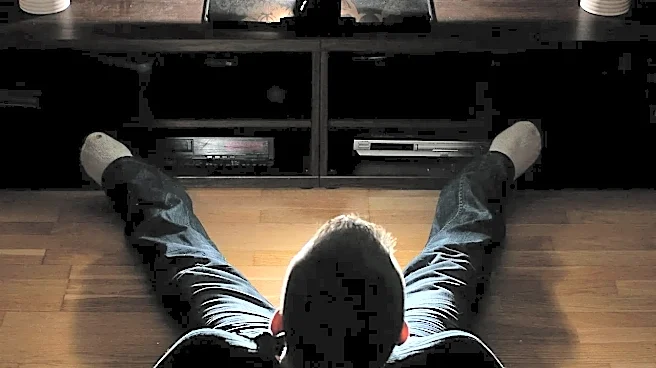
survival depends on absolute silence. When you watch this with friends, that rule extends beyond the screen and into your living room. Suddenly, the social contract of movie night is weaponized. Every rustle of a popcorn bag, every cough, every shifted foot becomes a source of shared tension. The film’s sound designers intentionally crafted a world where near-silence is the baseline, making every tiny noise a potential threat. This forces the audience to become active participants in the quiet, creating a collective, unspoken pact to not break the spell for everyone else. The dread isn't just on screen; it's in the room with you, and every person there is responsible for maintaining it.
Communication Without Words
Because the Abbott family cannot speak, they rely almost exclusively on American Sign Language and non-verbal cues to communicate. This forces the viewer to pay incredibly close attention to facial expressions, subtle gestures, and eye contact. In a group setting, this effect is magnified. You become hyper-aware not just of the characters' silent conversations, but of your friends' reactions beside you. A shared wide-eyed glance across the couch during a tense moment, a collective intake of breath, a flinch you all see—these become your dialogue. The film turns the audience into a silent, emotionally connected unit. The story's focus on a deaf daughter, Regan, and her relationship with her family adds another layer, as we experience parts of the world through her sound-sparse perspective, further heightening the sense of vulnerability and reliance on visual connection.
A Shared Rollercoaster of Tension and Release
The masterful sound design doesn't just create silence; it makes the eventual noise explosive. After long stretches of quiet, a sudden crash or a monster's shriek becomes physically jarring. Experiencing this in a group is profoundly different from watching alone. The jump scares, when they finally arrive, trigger a collective release of pent-up anxiety. Everyone jumps together, laughs nervously together, and then immediately settles back into that shared, tense silence. It’s a unified experience. Unlike chaotic horror films that bombard you with constant noise and action, A Quiet Place orchestrates its scares with precision, creating a rhythm of suspense and release that pulls the entire group along on the same emotional wavelength. This dynamic can foster a sense of bonding, as shared fear and subsequent relief are known to strengthen social connections.
More Than a Monster, It's About Family
Ultimately, the reason the tension feels so meaningful is because the film is fundamentally about a family's love and will to protect each other. The horror works because we care deeply about the Abbotts. We feel the parents' desperation to shield their children in a world where a single mistake is fatal. This emotional core elevates the film beyond a simple creature feature and makes the stakes personal for the audience. When you're watching with others, you're not just a group of people getting scared; you're collectively rooting for this family to survive. The film's central theme—asking what it means to protect the ones you love—resonates on a universal level, making the shared experience of watching it more profound and emotionally resonant than a typical slasher movie.