



More Than Just a Dress Code
To an American observer, the rules of Royal Ascot can seem bafflingly specific. A hat, yes, but not a fascinator in the Royal Enclosure. A dress, of course, but hemlines must be ‘of modest length’ and straps must be at least one inch wide. It’s easy to dismiss
these regulations as archaic, but that misses the point entirely. The Ascot dress code isn’t a barrier to entry; it’s a shared agreement. By adhering to it, attendees are not just dressing for a horse race; they are participating in a 300-year-old tradition and showing respect for an institution that is a pillar of the British social calendar. It’s a sartorial contract that binds everyone from the King and Queen in the royal procession to the first-time visitor in the grandstand. In this context, following the rules isn’t about stifling creativity—it’s the first step to proving you understand the game.
Know Your Enclosure, Know Your Rules
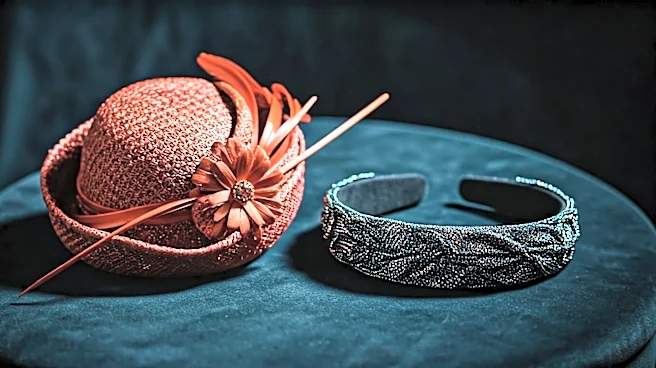
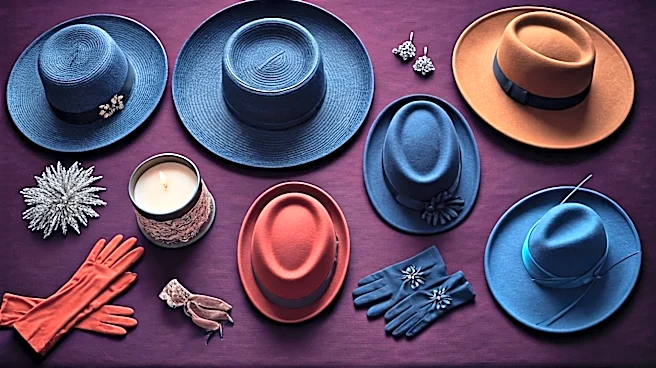
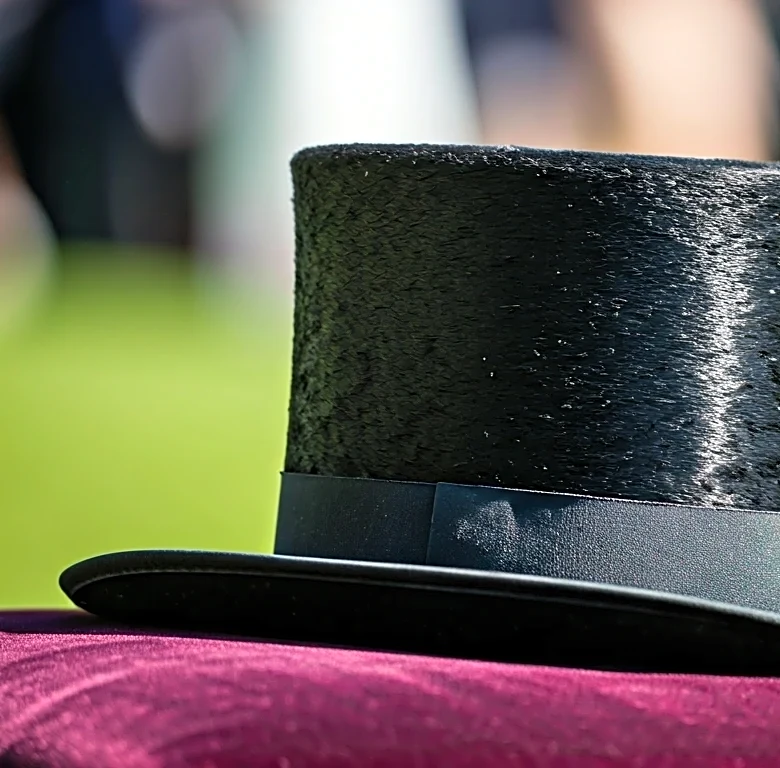
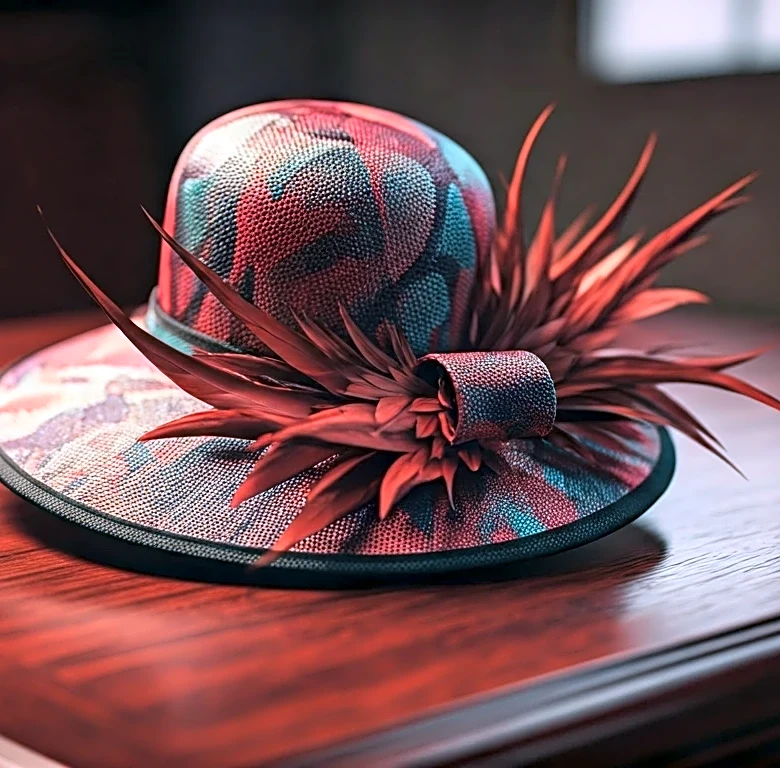
Not all of Ascot is created equal, and the dress code reflects the event’s social geography. The highest tier is the Royal Enclosure, an invitation-only space where the rules are most stringent. Here, gentlemen are required to wear ‘morning dress’—essentially a tailcoat, waistcoat, and top hat. For ladies, dresses and skirts must be of ‘modest length,’ falling just above the knee or longer, with the aforementioned one-inch straps. The most famously policed rule involves headwear: a hat is required, and its base must be at least 4 inches (10cm) in diameter. The slightly more relaxed Queen Anne Enclosure still requires a hat or headpiece, but fascinators are permitted. Understanding these distinctions is crucial. Showing up to the Royal Enclosure in a fascinator is the equivalent of wearing shorts to a black-tie wedding—a clear signal that you didn’t do your homework.
The Novelty Hat Trap
This is where the idea of novelty becomes a trap. Each year, photographers flock to the person wearing a hat shaped like a full English breakfast or a giant teapot. These outfits generate clicks and provide a moment of comic relief, but within the world of Ascot, they are a sartorial dead end. They scream ‘look at me!’ in an environment where the goal is to project effortless elegance. This kind of flamboyant novelty is often seen as a bit gauche, the work of a fashion tourist rather than a seasoned regular. While the effort might be applauded, it breaks the unspoken rule: the day is about the racing, the tradition, and the collective spectacle, not one individual’s attempt to go viral. The woman in the perfectly tailored dress and an exquisitely crafted, but not outlandish, Philip Treacy hat will earn more subtle nods of approval from those in the know than the woman balancing a birdcage on her head.
The Quiet Power of Masterful Restraint
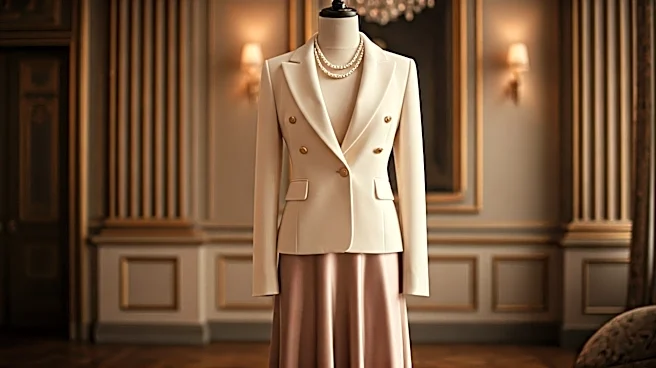
True style at Ascot is a masterclass in working within constraints. It’s a creative challenge, not a limitation. The best-dressed attendees don’t break the rules; they bend them to their will. Restraint here doesn’t mean boring. It means focusing on perfect tailoring, luxurious fabrics, and a flawless color palette. It’s the difference between a dress that simply meets the one-inch strap rule and one where the neckline is an architectural marvel. It’s choosing a hat that complements the face and completes the silhouette rather than overwhelming it. This is the style exemplified by figures like the Princess of Wales, whose Ascot looks are consistently praised. They are always appropriate, yet always distinctively her own. The elegance is in the details: the cut of a coatdress, the precise shade of a shoe, the tilt of a hat. This mastery signals a deep understanding of convention, and the confidence to express individuality without shouting.