

The New Duality of Performance
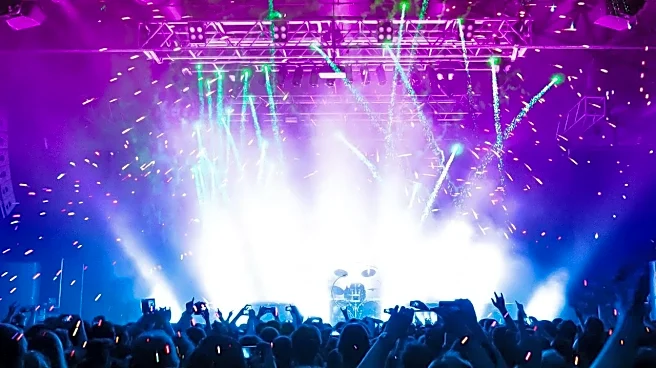
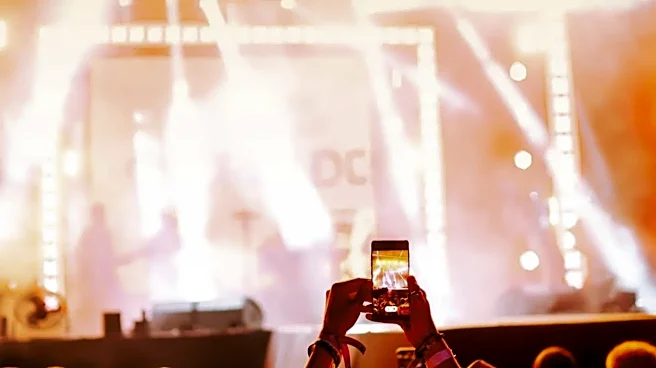
Not long ago, a concert was a singular, ephemeral experience shared between an artist and the people in the room. The shift to hybrid events—combining a live, in-person audience with a remote, virtual one—has fundamentally changed the job. An artist now
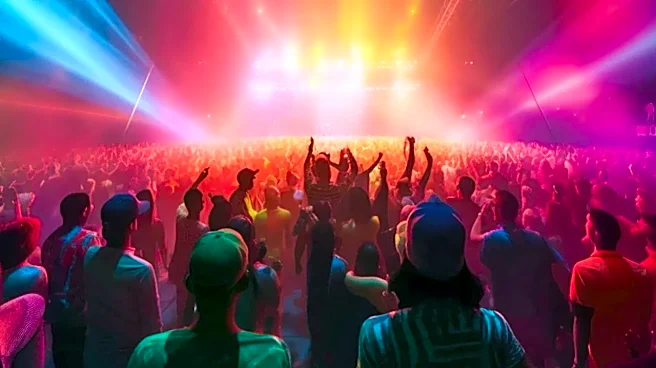
has two distinct audiences to captivate simultaneously. One is measured in cheers and physical energy; the other by view counts and chat-room buzz. This requires more than just pointing a camera at the stage; it demands a new performance art form, one that bridges the physical and digital divide without making either audience feel neglected.
The Art of the Split Gaze
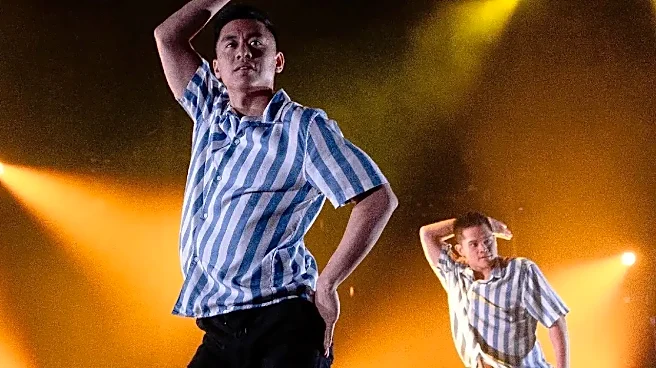
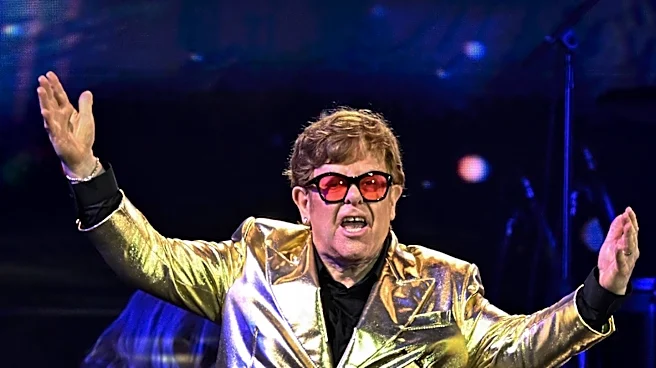
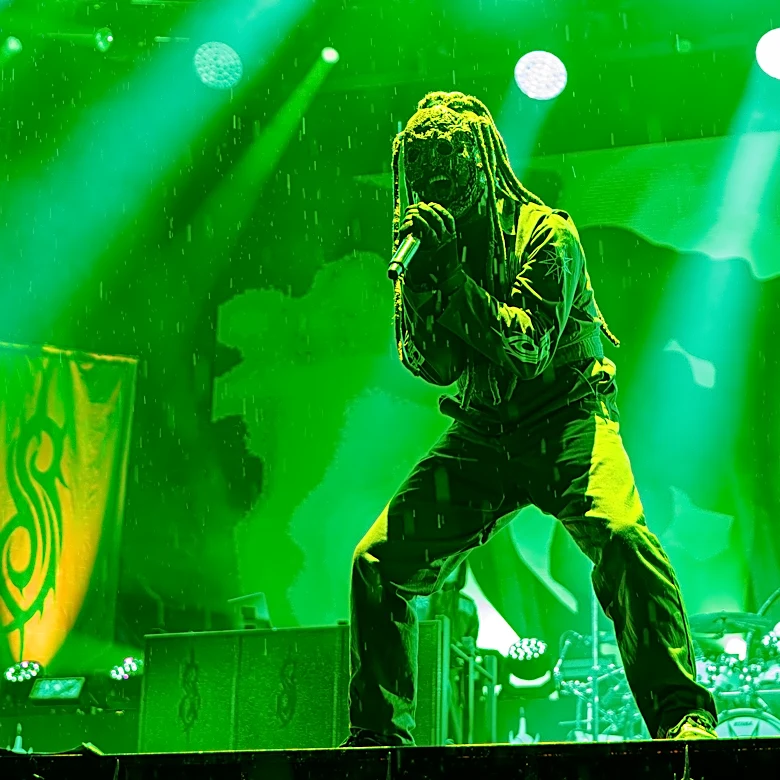
The core challenge for the artist is one of attention. How do you connect with the fan in the third row while also making the viewer on their couch feel seen? The answer is a conscious and choreographed 'split gaze.' Veteran performers are learning to break the 'fourth wall'—the imaginary barrier between stage and audience—in two different directions. This involves a rotation of focus: playing to the energy of the live crowd for a high-octane chorus, then turning to a specific camera for a more intimate, direct-to-lens moment during a verse. It's a subtle dance, making eye contact with thousands in a stadium and millions at home, all within the same song. This technique transforms the livestream from a passive recording into an active conversation.
Technology as the Bridge
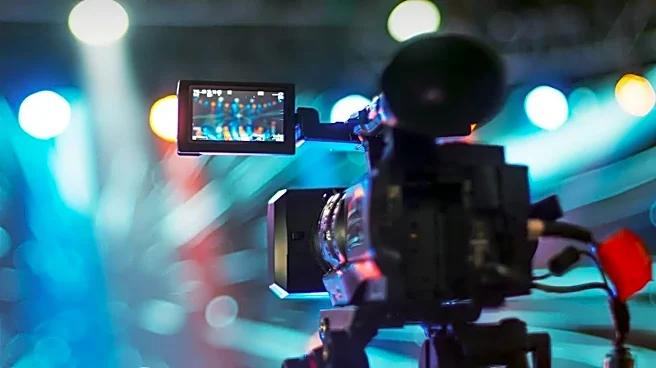
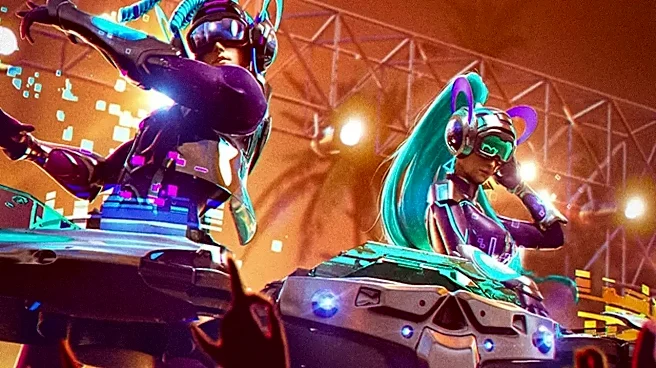
Artists aren't doing this alone. Hybrid shows are powered by a suite of technology designed to make the two worlds feel like one. This includes multi-camera productions with dedicated directors switching feeds, much like a live sports broadcast, to provide dynamic angles the in-person audience can't see. Interactive tools are also crucial. Live polls, Q&A sessions funneled through a single platform, and real-time social media prompts allow the virtual audience to influence the show. Some productions even feature large screens that display virtual attendees or chat messages, allowing the artist and the live crowd to feel the presence of the online viewers, creating a unified, global 'room'.
Crafting Two Shows in One
Beyond the on-stage performance, the entire production must be designed with this duality in mind. Lighting, for example, has to work for both the human eye and the camera sensor. Set design needs to offer compelling visuals from wide angles for the venue and tight shots for the stream. Some artists create exclusive digital-only content, like a behind-the-scenes look during an intermission or a virtual meet-and-greet, to add value for the at-home viewer. This approach treats the virtual component not as an afterthought, but as a co-equal part of the event experience, ensuring that remote fans feel like VIPs rather than voyeurs.
The Human Element
Ultimately, technology can only facilitate the connection; the artist must deliver it. Performing for a hybrid audience is mentally taxing. It requires a performer to process the immediate, visceral feedback of a live crowd while simultaneously projecting energy into the void of a camera lens, trusting that someone is on the other side. The risk is that by trying to please everyone, you please no one. An artist too focused on the cameras can alienate the paying crowd in front of them, while one who ignores the stream can leave virtual attendees feeling disconnected and bored. The most successful hybrid performers are those who make this complex juggling act look effortless, treating both audiences as essential parts of a single, unified experience.