




The Prestige Proving Ground
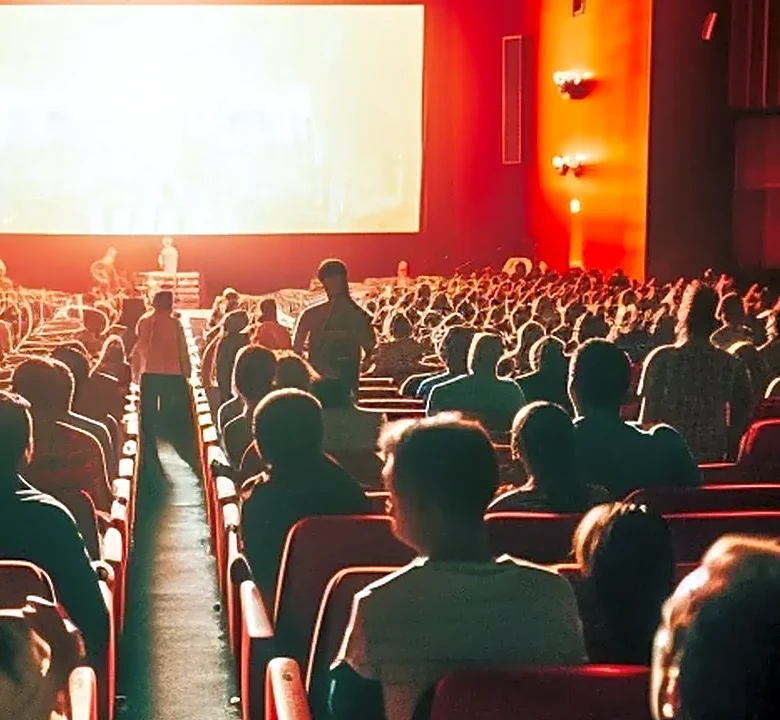
Not all film festivals are created equal. While Cannes has its auteur glamour and Sundance is the indie discovery engine, the Toronto International Film Festival (TIFF) holds a unique position in the film world. It’s famously an “audience festival,” where
sold-out public screenings are filled with passionate, vocal film lovers, not just jaded industry insiders. That palpable public excitement can generate unstoppable buzz. At the same time, TIFF’s early-fall timing makes it the unofficial starting gun for awards season. A film that lands well with the Toronto crowd is often seen as a legitimate Oscar contender. This blend of populist energy and industry prestige creates the perfect environment for a strategic pivot. A director can shed their old label by showing a new side of their talent to a receptive audience and the world's most influential critics simultaneously, effectively launching a new chapter of their career in the space of a single week.
The Auteur Transformation
Perhaps no one exemplifies the modern artistic pivot better than Jordan Peele. Before 2017, he was the brilliant comedic mind behind "Key & Peele." Then came "Get Out." While it technically premiered at Sundance, its festival journey showcased how a masterfully executed genre film could obliterate prior perceptions. Peele didn't just make a horror movie; he directed a razor-sharp social thriller that was funny, terrifying, and deeply relevant. The film earned him an Academy Award for Best Original Screenplay and instantly repositioned him from a comedy star to one of the most vital directorial voices of his generation. He proved that a filmmaker known for laughs could deliver a cultural gut punch that resonated all the way to the Oscars. His success created a blueprint, showing that diving headfirst into a new genre wasn't just a risk—it was a path to being taken more seriously than ever before.
The Dramatic Rebirth
The power of TIFF isn't limited to directors breaking out. It can also be a place where established stars, long associated with a single genre, can show the world a different gear. For years, Adam Sandler was the undisputed king of low-brow comedy. His name was a brand synonymous with box-office gold but critical indifference. That all changed with the Safdie Brothers' anxiety-inducing thriller "Uncut Gems." When the film screened at TIFF, the reception was ecstatic. Audiences and critics were blown away by Sandler’s manic, desperate, and deeply compelling performance. The buzz out of Toronto was deafening: this wasn't the Sandler they knew. The festival platform allowed his dramatic work to be viewed in a serious context, separate from his comedic baggage. The "Sandler-ssance" was born, proving that even a 30-year reputation can be reinvented with the right role in the right film at the right festival.
The New Wave of Genre-Benders
The trend of defying genre expectations continues with the next generation of filmmakers, and TIFF remains their chosen arena. At the 2026 festival, several rising talents are already blurring the lines. Nyla Innuksuk, who broke out with the alien-invasion sci-fi tale "Slash/Back," returned with a psychological thriller, demonstrating her versatility early in her career. Animator Leah Nelson, whose film "Tangles" deals with the serious subject of a mother's Alzheimer's diagnosis, put it perfectly: "To me, animation is a medium, not a genre." That sentiment captures the entire movement. These directors aren't just switching lanes; they're rejecting the lanes altogether. They see genre not as a box to be confined in, but as a set of tools to be used in service of a story. By premiering at a festival that supports emerging talent and artistic risk, they are starting their careers without creative borders.