




The Anatomy of a Superior Collar
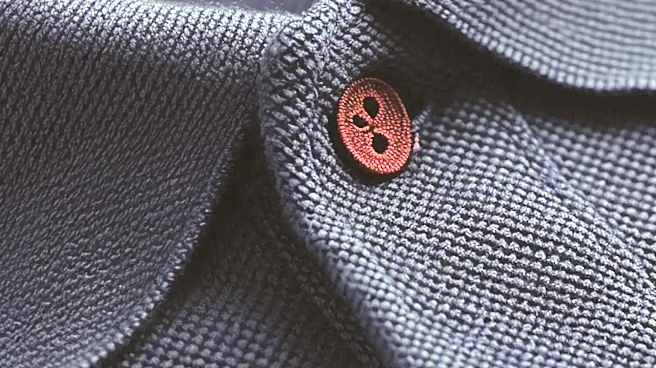
At the heart of a high-performance polo is the rib-knit collar. Unlike a "self-fabric" collar, which is made from the same material as the shirt's body, a rib collar is a separate piece of fabric knitted with vertical ridges. This structure gives it significantly
more elasticity and thickness. Think of it as a series of tiny springs that allow the fabric to stretch, bend, and snap back into shape. This construction is intentional, providing a combination of flexibility and structure that is uniquely suited for an active garment like a tennis polo.
Functionality Where It Counts
On the court, every detail matters. The primary benefit of a rib collar is its ability to move with you. The natural stretch adapts to neck movement during a serve or a quick volley without gaping or feeling tight. Furthermore, its structure provides superior shape retention, wash after wash. A common complaint with lesser polos is that the collar loses its form, becoming soft and unruly over time. A well-made rib collar, especially one blended with a small amount of spandex, resists this breakdown, maintaining its crisp appearance and comfortable fit far longer than its self-fabric counterparts.
The Aesthetic Edge: No More Collar Curl
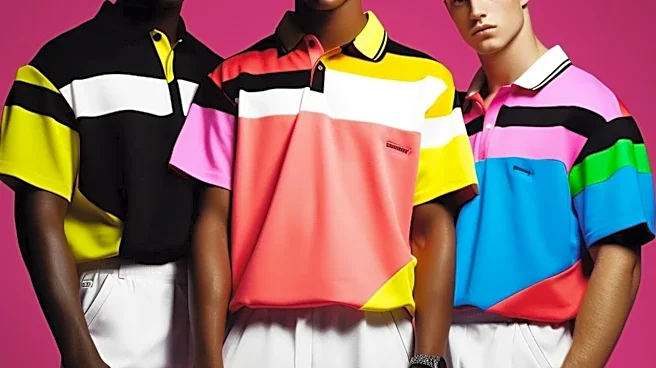
One of the most persistent issues with polo shirts is the dreaded "collar curl," where the points of the collar roll upwards, creating a messy, worn-out look. This often happens when a collar is made from a fabric that's too soft or when it shrinks unevenly during washing. Rib-knit construction is the best defense against this problem. The inherent structure and weight of the ribbed fabric help the collar lie flat and maintain a defined shape. It provides a subtle textural contrast to the body of the shirt, framing the face and giving the entire garment a more polished and intentionally designed feel. When you want to flip the collar up for sun protection, a rib collar has the substance to stay up without collapsing.
Self-Fabric Collars vs. Rib-Knit
So why aren't all polo collars ribbed? Self-fabric collars, made from the same jersey or piqué knit as the rest of the shirt, are often used because they create a uniform look and can be simpler to manufacture. However, these fabrics typically lack the structural integrity needed for a collar. Jersey fabric, in particular, is prone to curling at the edges and can lose its shape relatively quickly. While a self-fabric collar might feel lighter, that lack of substance is precisely what leads to the curling and sagging that plagues so many otherwise good polos. A rib collar is a mark of durability and thoughtful construction, signaling that the shirt was designed to last.