







An Unlikely Oscar Powerhouse
Walter Brennan was one of old Hollywood’s most recognizable and beloved character actors. A former stuntman and extra, he became the go-to performer for playing grizzled sidekicks, quirky old-timers, and salt-of-the-earth patriarchs. While a constant
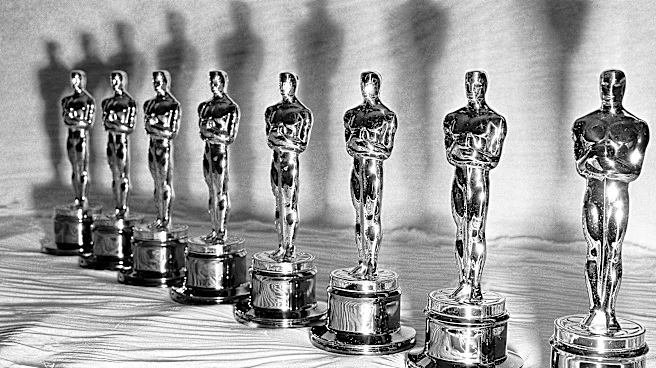
presence on screen, he wasn’t a leading man like Gary Cooper or Humphrey Bogart. That’s what made his Academy Award dominance so stunning. Between 1936 and 1940, Brennan won the Best Supporting Actor Oscar three times for his roles in Come and Get It, Kentucky, and The Westerner. At a time when even major stars were lucky to win one statue, Brennan’s triple victory was unprecedented and remains unmatched in his category. It immediately raised eyebrows across the industry, prompting the question: how was he doing it?
The Myth of a Persuasive Speech
The headline's suggestion of powerful acceptance speeches is a compelling theory, but the historical record tells a different story. Unlike the lengthy, emotional speeches that can create Oscar buzz today, Brennan's were famously brief and humble. There are no soaring orations credited with swaying voters. The real reason for his success was far more controversial and rooted in the Academy's structure at the time. The secret to his wins wasn’t what he said at the podium, but who was listening in the audience—and, more importantly, who was casting a ballot.
The Real Secret: Power of the Extras
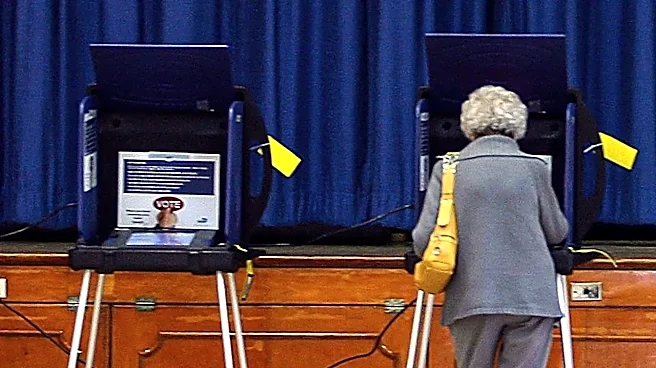
In the early days of the Academy Awards, the voting pool was vastly different. Among those with the power to vote were members of the Screen Extras Guild. Walter Brennan, having started his career as an extra, was immensely popular with this group. He was seen as one of their own who had made it big but never forgot his roots. This large and organized group of voters consistently threw their support behind him. His victories were not a fluke or the result of a single stellar performance, but rather the outcome of a dedicated voting bloc flexing its collective muscle. His wins for Kentucky and The Westerner in particular were widely attributed to the overwhelming support he received from the thousands of extras who could vote.
The Backlash and the Rule Change
Brennan’s third win in 1941 for The Westerner proved to be the tipping point. While his talent was respected, many in the Hollywood establishment felt the system was being manipulated. The idea that a single, massive voting bloc like the extras' union could essentially guarantee a win for their favored actor caused a scandal. In response to the controversy, the Academy of Motion Picture Arts and Sciences took a drastic step: they revoked the voting rights of the Screen Extras Guild. This permanently altered the composition of the Academy's electorate, concentrating power in the hands of actors with speaking roles, directors, producers, and other specialized branches. Brennan’s wins, therefore, reshaped industry voting not through rhetoric, but by triggering the disenfranchisement of an entire class of voters.