


The Problem with the First Cut
Before it became the highest-grossing film ever directed by a woman at the time, Big had a big problem. The initial cut of the film, as assembled by director Penny Marshall and her editor, the legendary Barry Malkin, just wasn’t working. The issue was one
of pacing and focus. The original version spent a significant amount of time with 12-year-old Josh Baskin before his fateful encounter with the Zoltar machine. While logical in a linear sense, it delayed the arrival of the film's central conceit: a boy trapped in a man’s body. Test audiences were growing restless waiting for the movie they were promised, the one with Tom Hanks navigating adulthood. The charm, the humor, and the heart of the story were all there, but they were buried under an extended, conventional opening act.
A Director and Her Editor
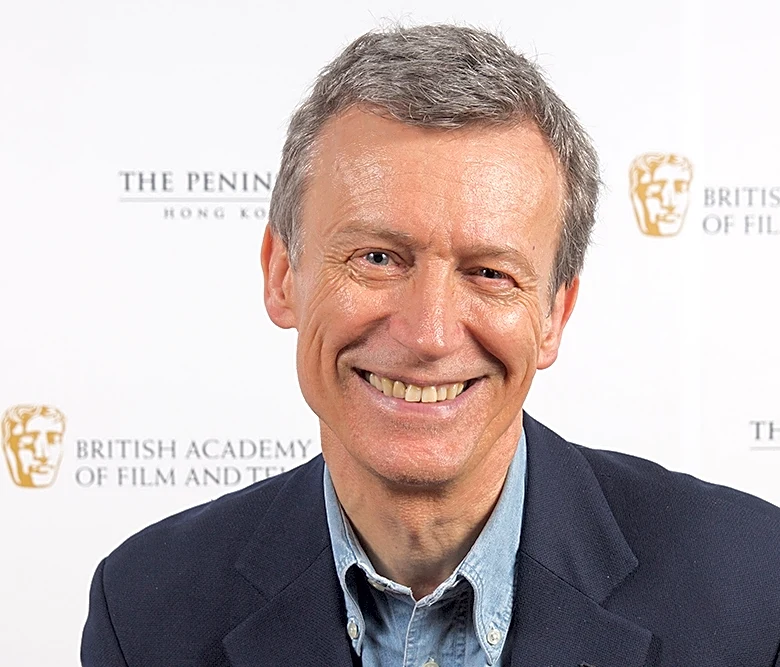
Penny Marshall, fresh off her directorial debut with Jumpin' Jack Flash, was known for her sharp comedic instincts and an often-anxious, highly iterative creative process. Her cinematographer on Big, Barry Sonnenfeld, later recalled how she preferred to shoot numerous options rather than commit to a single vision on set. This left the monumental task of shaping the film to her editor, Barry Malkin. A titan in his field, Malkin was a frequent collaborator with Francis Ford Coppola, having cut masterpieces like The Godfather Part II and Apocalypse Now. He was known for his incredible ability to find structure in chaos and to unearth the emotional core of a scene. It was this partnership—Marshall’s instinct for performance and Malkin’s narrative genius—that was put to the ultimate test.
The Weekend That Changed Everything
With the studio and producers concerned about the film's sluggish start, the pressure mounted. The story goes that over a single, high-stakes weekend, Malkin, in close collaboration with Marshall and producer James L. Brooks, performed radical surgery on the film's first act. This wasn't about trimming a few seconds here or there; it was a fundamental restructuring. The team made the bold decision to drastically condense the opening, jettisoning scenes that detailed Josh’s life as a pre-teen. The goal was simple: get Tom Hanks on screen as fast as humanly possible, trusting that the audience would immediately buy into the magical premise without needing a lengthy prologue.
What Was 'The Cut'?
The “cut” that saved the film wasn't a single snip, but a complete reimagining of the first 20 minutes. Instead of a deep dive into Josh’s school life, crushes, and family dynamics, the new version gave just enough information to establish his character and his wish to be “big.” It swiftly moves from the carnival to the shocking morning-after reveal, and then to the iconic scene where Josh, now Tom Hanks, must convince his best friend Billy that it's really him by singing their secret handshake song. This change in structure did more than just quicken the pace. It shifted the entire focus of the film from a story about a boy who becomes a man to the immediate, visceral experience of being that boy. The audience is thrown into Josh’s panic and confusion right alongside him, creating an instant bond with the character.
The Ripple Effect of a Brave Edit
The result of that weekend’s work was transformative. The re-edited Big was an immediate hit, connecting with audiences and critics alike. It established Penny Marshall as a major directorial force and cemented Tom Hanks' status as a leading man, earning him his first Oscar nomination for Best Actor. The film grossed over $151 million worldwide on an $18 million budget, a massive success. The famous FAO Schwarz piano scene, Josh's awkward romance with his colleague Susan, and his innocent-eyed takedown of corporate cynicism all landed with greater impact because the film got to the heart of its story without delay. It became a masterclass in the power of editing to shape narrative rhythm and audience engagement.