
More of a Spirit Than a Sound
If you're confused about what “Americana” music really is, you're not alone. Unlike rigid genres defined by a specific sound, Americana is more of an ethos. The Americana Music Association (AMA) defines it as contemporary music that draws from the rich
threads of country, folk, blues, soul, bluegrass, gospel, and rock. The key isn't that it sounds exactly like any one of those things, but that it incorporates their elements into a distinct, roots-oriented sound. Think of it as a musical conversation with America’s past. It’s a home for artists who don't fit neatly into the polished, commercial formats of mainstream country or rock radio. The genre officially coalesced in the 1990s as a radio format for listeners hungry for something more authentic. At its core, Americana values storytelling, lyrical depth, and a connection to the long history of American music, from Appalachian folk ballads to Mississippi Delta blues.
The Folk and Country Foundation
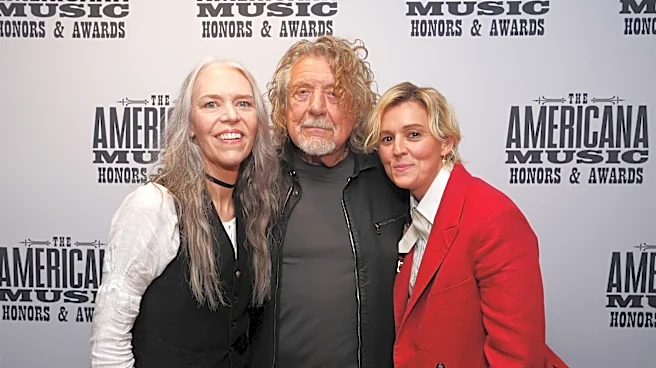
The genre’s DNA is most clearly built on folk and traditional country. Artists like Woody Guthrie and, later, Bob Dylan, John Prine, and Emmylou Harris laid the groundwork with story-songs that felt mined from American soil. This tradition is alive and well in the modern Americana scene. This year’s Americana Awards prove the point: Gillian Welch & David Rawlings, a duo known for their haunting, minimalist folk harmonies, took home the award for Duo/Group of the Year. Brandi Carlile, an artist whose work seamlessly blends folk, pop, and rock, won Song of the Year for “Returning to Myself.” These artists aren't reenacting the past; they're using the tools of folk and country—acoustic instruments, narrative lyrics, and emotional honesty—to tell contemporary stories. It’s a world where the song itself is the star.
Where Blues and Rock Find a Home
But Americana isn't just quiet acoustic music. It has a raw, electric side that embraces the grit of blues and the energy of rock and roll. The genre makes room for the soulful howl of a blues singer and the driving force of a rock band, as long as the music stays connected to those foundational roots. The 2026 Americana Honors & Awards ceremony was a perfect showcase of this. Lifetime Achievement honors were given to rock and roll legends Tom Petty & The Heartbreakers and Robert Plant. Plant even took the stage to perform a ferocious version of the blues-gospel standard “Satan Your Kingdom Must Come Down,” while members of The Heartbreakers reunited with Chris Stapleton for a rousing set. This isn't a case of rock stars crashing a folk party; it’s a recognition that their music, from Plant’s Zeppelin-era explorations of American blues to Petty’s heartland rock, is part of the same sprawling family tree.
The Big Tent in Action: The 2026 Awards
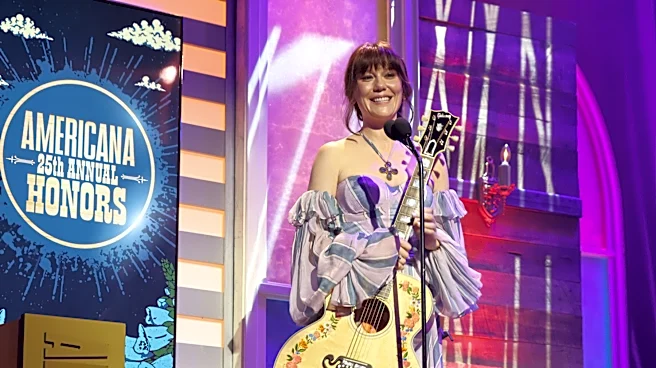
The full spectrum of Americana was on display at the recent awards ceremony in Nashville. Molly Tuttle, a phenomenal guitarist whose music is steeped in bluegrass, was named Artist of the Year. Meanwhile, Tyler Childers, whose sound blends traditional country with a rugged, modern edge, won Album of the Year for Snipe Hunter. The award for Emerging Act went to Ken Pomeroy, an artist praised for her fresh take on roots music. What do a bluegrass virtuoso, a neo-traditional country star, a folk-rock songwriter, and a legendary British rocker have in common? They all share a dedication to musical authenticity over commercial trends. They are artists who prioritize craft and feeling, creating music that feels lived-in and real. The Americana tent is large enough to hold them all precisely because its definition is based on shared values, not sonic restrictions.