






The Promise of Limitless Potential
At its core, the phrase is a perfect, bite-sized expression of boundless optimism. When we first meet Buzz Lightyear in 1995, he’s a character who genuinely believes he has no limits. He’s a Space Ranger on a mission, and his destination is, quite literally,
forever. For a child, this is a thrilling concept that maps perfectly onto the unbridled power of imagination. But for an adult, the phrase hits differently. Adulthood is a process of learning your limits: the mortgage, the finite vacation days, the physical realities of aging, the career ceilings. We are constantly negotiating with boundaries. “To infinity and beyond” offers a momentary escape from that reality. It’s a two-second vacation back to a mindset where anything felt possible. It’s not just about space travel; it’s a metaphor for breaking through personal, professional, and emotional barriers. We know better, but we want to believe in the sentiment, even if just for a moment.
From Delusion to Earned Belief
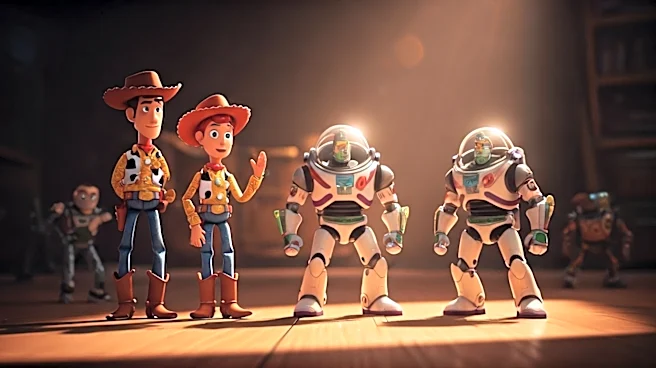
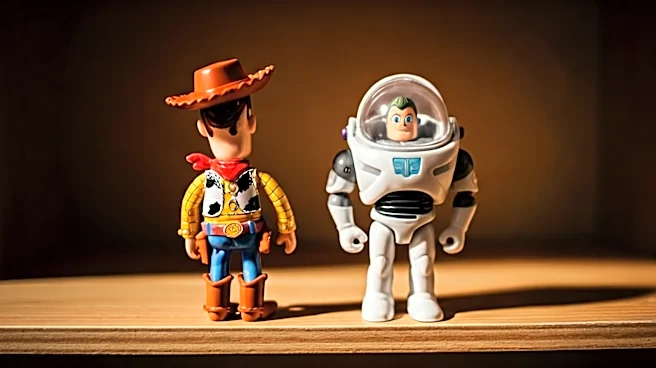
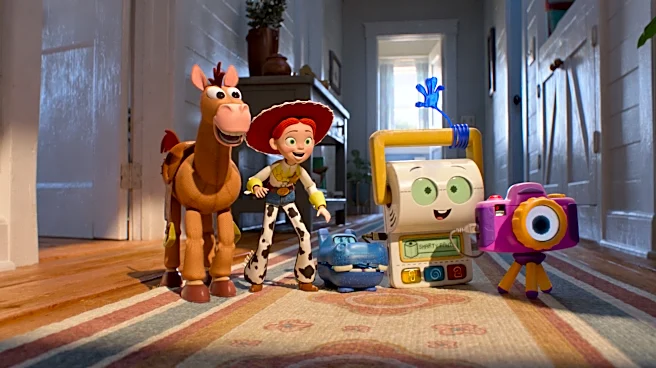
The genius of Toy Story is how it evolves the meaning of Buzz’s signature line. Initially, it’s the catchphrase of a deluded toy who doesn't know he's a toy. He says it with the unthinking confidence of a programmed recording. The line is, frankly, a little arrogant and disconnected from his reality in Andy’s bedroom. But his entire character arc is about crashing to Earth—both literally and figuratively. He discovers he’s a mass-produced piece of plastic, a crushing moment of existential despair that any adult who has faced disillusionment can recognize. Yet, he doesn’t abandon the phrase. Instead, he reclaims it. When he says it at the end of the film, flying alongside Woody, it’s no longer about a solo mission to the stars. It’s about the limitless potential of friendship, loyalty, and finding purpose right where you are. For adults, this transformation is everything. It makes the phrase not a relic of naive childhood, but a symbol of mature, earned hope. It’s a statement about finding the ‘beyond’ in your immediate circle, not just in some distant galaxy.
The Power of High-Stakes Play
There’s an inherent, wonderful absurdity to the line. It’s a deeply philosophical, cosmic statement being uttered by a toy. This contrast is a huge part of its charm. It validates the act of play as something serious and important. Children’s games often have the highest possible stakes: the fate of the universe, the rescue of a captured ally, the exploration of an unknown world. As adults, we’re taught to put away that kind of imaginative thinking in favor of ‘practicality.’ Buzz Lightyear, and his ridiculous, glorious catchphrase, serve as a reminder that imagination isn’t frivolous. The line is a rallying cry for anyone who has ever built a spaceship out of a cardboard box. It tells us that the dreams we have, even the ones that seem silly or impossible from the outside, are the engines of joy and connection. The phrase works because it’s both grand and grounded, an epic sentiment delivered by a character small enough to fit in a backpack.
A Shared Generational Shorthand
For millennials and older Gen Z, Toy Story wasn't just a movie; it was a foundational text. It was the first fully computer-animated feature film, a watershed moment in cinematic history that grew up alongside its audience. The sequels matured with us, tackling themes of abandonment, mortality, and finding new purpose after your primary role in life is over. “To infinity and beyond” became more than just a line; it became a password. It’s a piece of shared language that instantly connects people who experienced this cultural shift together. Saying it or hearing it triggers a specific, comforting nostalgia—not just for a film, but for a time. It’s the 90s in a bottle. In a fractured world, these shared cultural touchstones are a powerful form of glue, reminding us of a time when the most pressing drama involved the secret life of our toys.