





The Original G-Funk Icon
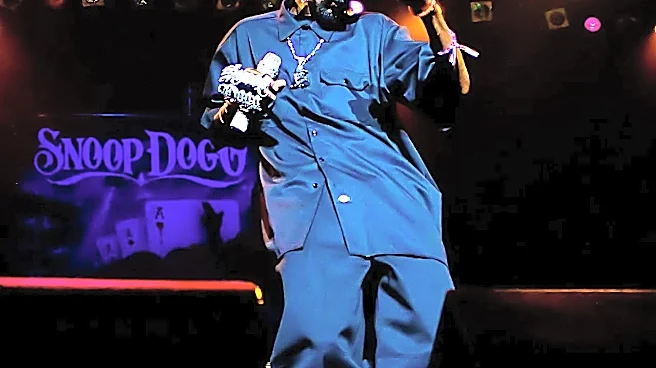
It’s easy to forget that before he was a beloved media personality, Snoop Dogg was one of the defining voices of West Coast gangsta rap. Discovered by Dr. Dre, his laid-back, melodic flow became the signature sound of a generation. When he debuted on Dre’s
1992 album, The Chronic, his voice was unmistakable—smooth yet menacing, telling vivid stories from the streets of Long Beach. His own debut album, 1993’s Doggystyle, didn't just top the charts; it became a cornerstone of 90s hip-hop, establishing G-funk as a dominant force. Tracks like "Gin and Juice" and "Nuthin' but a 'G' Thang" weren't just hits; they were cultural moments that cemented Snoop's status as a foundational artist whose influence is still felt today.
The Art of Reinvention
Many artists from the 90s struggled to maintain relevance as hip-hop's landscape shifted. Snoop, however, mastered the art of evolution. After the Death Row era, he didn't fade away; he reinvented himself. He joined Master P's No Limit Records in the late 90s, adapting his sound to the Southern-fried bounce of the time. In the 2000s, he pivoted again, collaborating with The Neptunes and Pharrell Williams on hits like "Beautiful" and "Drop It Like It's Hot." These tracks showcased a different side of Snoop—less gangsta, more global-cool. He proved he could hang with pop stars like Justin Timberlake and Katy Perry without losing his core identity, expanding his audience far beyond hardcore rap fans. This willingness to explore new sounds, from reggae as Snoop Lion to gospel, has been key to his enduring appeal.
Hip-Hop's Elder Statesman
In the last decade, Snoop has comfortably settled into the role of hip-hop's cool uncle and elder statesman. He's not just a legacy act performing old hits; he's an active participant in the culture. His presence is a co-sign that carries real weight. He has collaborated with a new generation of artists, from Wiz Khalifa to Cordae, effectively passing the torch while still holding it himself. He has become a ubiquitous figure in American culture, hosting television shows with Martha Stewart, commentating at sporting events, and even acquiring the Death Row Records brand he helped build. This move from artist to owner represents the ultimate evolution—turning his legacy into a platform for the future.
The Unifying Force
So when you see Snoop at an event like the Hip Hop Honors, you're seeing more than just a rapper. You're seeing a unifier. His career arc is almost impossible to replicate. He emerged from the gritty G-funk era, became a global pop-culture phenomenon, and has now settled into a respected role as a mentor and businessman. His ability to connect with artists and audiences across three decades stems from a genuine love for the music and a persona that is both authentic and adaptable. He can share a stage with his G-funk pioneers Dr. Dre and Warren G, pop icons like Katy Perry, and modern country stars like Jelly Roll, and it all feels natural. In a genre that often emphasizes division and competition, Snoop Dogg remains the ultimate connector, a living testament to the power of evolving without ever selling out.