



From Niche Hobby to Marketing Mecca
In the beginning, movie marketing was a one-way street. Studios pushed ads on TV, radio, and in print, and audiences bought tickets. The industry spoke to itself through trade publications. But as geek culture became mainstream, Hollywood noticed a shift.
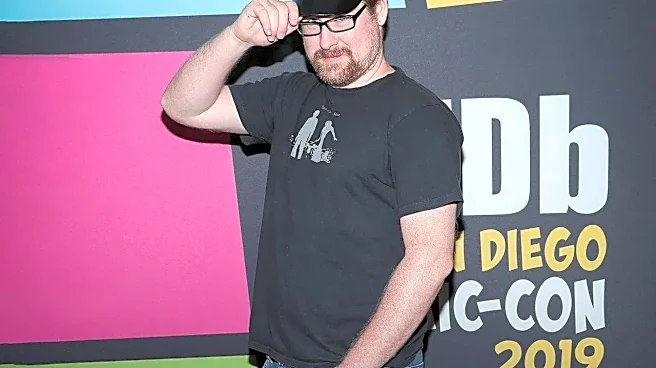
Events like Comic-Con, which began in 1970 with just a few hundred attendees, were gathering the most passionate—and influential—fans in one place. It wasn't an overnight change. Director George Lucas brought an early look at a little film called Star Wars to the convention in 1976, a sign of things to come. By the early 2000s, studios realized that instead of just telling people what to see, they could invite them into the process. The convention floor transformed from a place to trade comics into a full-blown advertising spectacle and a crucial testing ground for their biggest bets.
The Hall H Effect: Weaponizing Hype
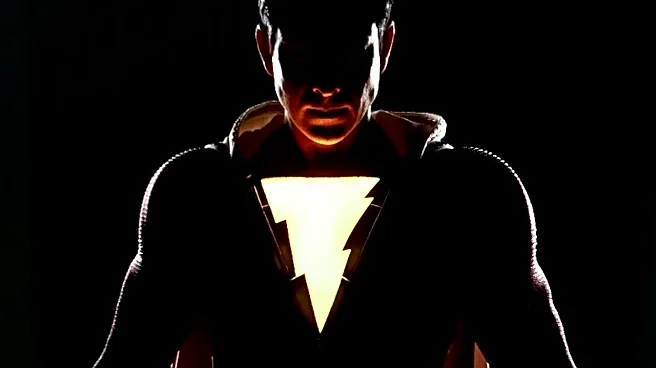
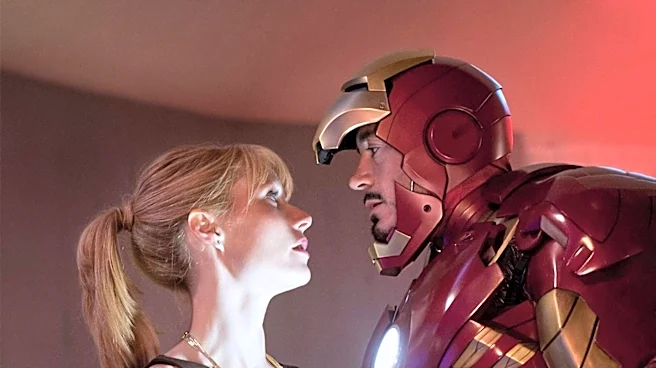
The true economic game-changer was the rise of Hall H, the San Diego Convention Center's 6,500-seat behemoth. Studios like Marvel perfected the art of the mega-panel, turning what used to be a press release into a live, emotional experience. Announcing a full slate of films to a room of screaming super-fans generates a wave of “earned media”—free advertising through social media buzz and global press coverage—that no traditional ad buy could ever match. This direct-to-consumer approach creates instant brand loyalty. The fans in that room become evangelists, carrying the hype to the masses. The cost of a high-profile panel is steep, but the return on investment comes from dominating the cultural conversation for days, ensuring a film is a must-see event months or even years before its release.
The ROI of a Captive Audience
The economics aren't just about buzz. For studios, Comic-Con provides invaluable, real-time market research. The roar of the crowd for a surprise casting announcement or the collective gasp at a new trailer gives executives instant feedback. This live-testing environment is priceless. Furthermore, the Hall H system, which often requires attendees to wait overnight or sit through multiple panels to see the one they want, creates a captive audience for smaller projects presented earlier in the day. For the city of San Diego, the convention is an economic juggernaut, generating over $160 million in regional impact annually from attendees spending on hotels, food, and local businesses. It's an ecosystem where fan passion is the currency that fuels both corporate strategy and municipal revenue.
The Great Splintering: A Post-Peak World
At its peak, a Hall H presentation was the undisputed pinnacle of franchise marketing. But success has bred competition, primarily from the studios themselves. Disney, realizing it had enough content to fill its own convention, launched the D23 Expo. Warner Bros. followed suit with DC FanDome, a virtual event that allowed it to control the entire news cycle without sharing the stage. This splintering reflects a new economic reality. While Comic-Con remains a vital hub, especially with major players like Marvel returning in 2026, it's no longer the only game in town. Studios are now weighing the benefit of a shared-stage spectacle against the focused, controlled environment of their own branded events, creating a more fragmented but highly strategic landscape for blockbuster announcements.