





The New Economics of Movie Night
Let’s just get the obvious out of the way: going to the movies has become a significant investment. In 2026, the national average for a single ticket is hovering around $16.30, and that’s before you even think about concessions. In major cities like New
York, a ticket can soar to over $25. A simple “date night” for two with popcorn can easily push past $50 or even $70. Compare that to the cost of a month's subscription to a major streaming service. You can get Netflix, Disney+, Max, and others for prices ranging from about $7 to $25 a month each for various plans. For the price of taking a family of four to one movie, you could have access to thousands of titles for an entire month. It's not about being cheap; it's about recognizing the incredible disparity in value. When your entertainment budget has to stretch, a calculated decision to wait for a film to land on streaming is just smart financial planning.
Reserving the Theater for True Spectacle
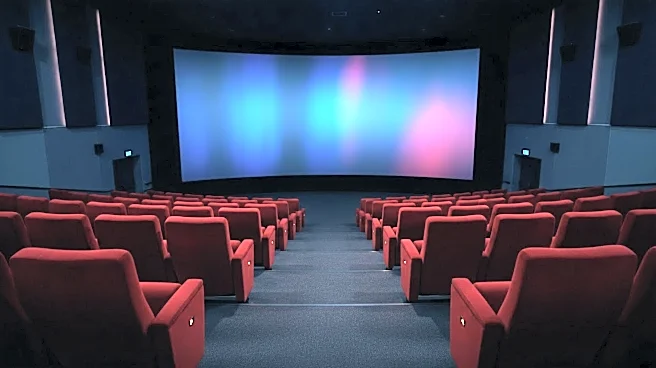
This isn't an argument for abandoning cinemas entirely. Far from it. The movie theater experience is more vital than ever—but it should be reserved for true cinematic events. Think of the films that are genuinely diminished by a smaller screen: the sprawling sci-fi epics with breathtaking visual effects, the action blockbusters with sound design that rattles your bones, or the immersive worlds crafted by directors like Christopher Nolan or Denis Villeneuve. These are the movies that demand the scale, the darkness, and the communal energy of a theater. The modern moviegoer’s strategy is to curate. We're becoming selective, asking ourselves which films earn the premium ticket price and the effort of leaving the house. The mid-budget comedy or the straightforward drama? Maybe not. But that immersive trip to another galaxy? Absolutely. The theater is no longer for every movie; it’s for the spectacles.
The Unbeatable Comfort of Home Court
The benefits of watching at home go far beyond the price tag. It's about crafting your ideal viewing environment. It’s the freedom of the pause button for a snack refill or bathroom break without missing a crucial plot point. It’s controlling the volume yourself, turning on subtitles if you miss a line of dialogue, and not having your view blocked by a tall person in the next row. It's enjoying a movie without the distracting glow of a dozen cell phones or the person next to you loudly unwrapping candy for five minutes. While studios are beginning to extend theatrical windows again—with Universal, for example, promising at least five weekends of exclusivity in 2026—the wait for a film to arrive on-demand is no longer the agonizing eternity it once was. Knowing a movie will be available in a pristine 4K version at home in just over a month makes waiting a much more palatable option.
When 'Good Enough' Is a Great Experience
Summer movie season isn't just about alien invasions and superhero team-ups. It’s also filled with charming romantic comedies, sharp adult dramas, and clever indie horror films. These are often fantastic movies, but they aren't necessarily experiences that depend on a 60-foot screen and a Dolby Atmos sound system. Does a witty, dialogue-driven comedy lose its humor on your 65-inch TV? Does a poignant character study feel less emotional? For the most part, no. These films translate beautifully to the home environment, where you can appreciate the nuances of a performance or the cleverness of a script without the overwhelming sensory input of a premium theater. Saving these movies for your streaming queue allows you to enjoy them in a comfortable, intimate setting where they can be just as effective, if not more so.