


Your 20s: The Age of Resilience
In your 20s, your skin is at its peak, boasting high levels of collagen, elastin, and natural oils (sebum). Collagen production begins its slow decline around age 25, losing about 1% per year, but the structural impact isn't yet visible. This youthful
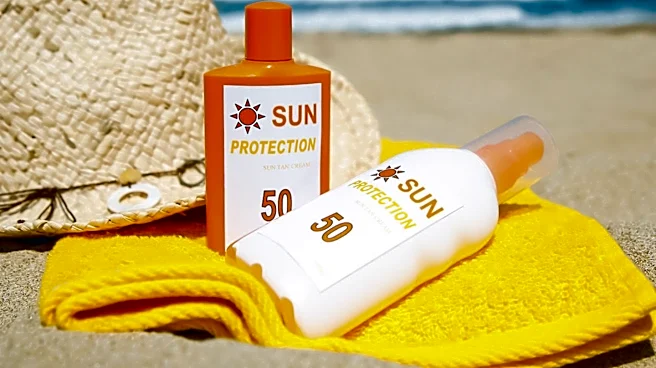
resilience means your skin can better withstand the dehydrating effects of an arid environment. The process of transepidermal water loss—where dry air leaches moisture from your skin—is happening, but your skin’s strong natural barrier and robust oil production help compensate. A simple routine focused on a gentle cleanser, a basic moisturizer, and—most importantly—daily sunscreen is often enough to maintain balance. The goal during this decade is primarily protection and prevention, building good habits that will pay dividends later.
The 40s: A Perfect Storm for Dryness
Entering your 40s marks a significant biological shift, creating a perfect storm when combined with a dry climate. The gradual decline of key structural components accelerates dramatically. For women, hormonal changes during perimenopause cause estrogen levels to drop, which directly impacts skin health. Estrogen helps regulate collagen, oil production, and hyaluronic acid—a molecule that binds water to keep skin plump. As these levels fall, your skin’s ability to retain moisture plummets. Sebum production decreases, leaving skin without its natural protective oils. Collagen loss can speed up, with some studies showing women may lose up to 30% of their skin's collagen in the first five years after menopause. This compromised internal support system is then hit with the external stress of low humidity, making it far more vulnerable to dehydration, irritation, and the accentuation of fine lines.
Beyond Basic Hydration: The New Rules
The simple routine of your 20s is no longer sufficient. In your 40s, the focus must shift from basic moisture to actively supporting and rebuilding your skin’s compromised barrier. While a 20-something might get away with a light lotion, mature skin in a dry climate requires a more strategic, multi-step approach. Think of it as switching from a tent to a well-insulated house. Your skin’s natural defenses are weaker, so your routine must provide the reinforcement. This means layering products that not only add water back into the skin but also seal it in and replenish the lipids (fats) that hold your skin barrier together. Harsh cleansers that strip natural oils are out, and rich, nourishing formulas are in. It's less about a single hero product and more about a system working in synergy.
Your New Hydration Toolkit
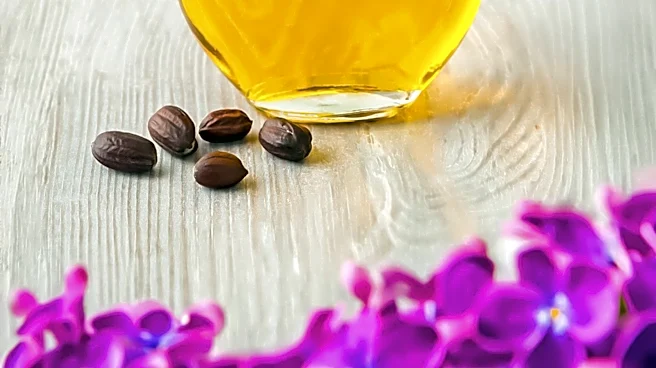
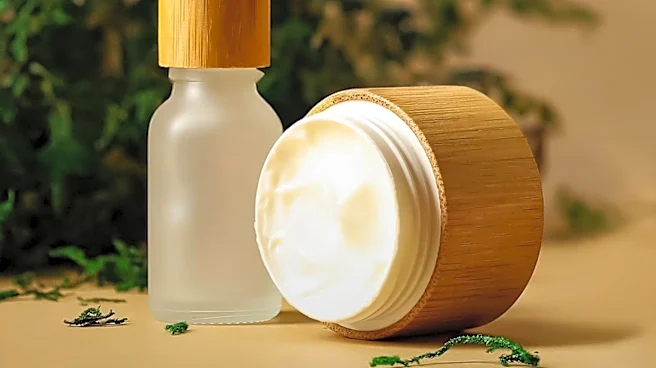
To effectively combat dryness in your 40s, your bathroom shelf needs an upgrade with specific, powerful ingredients. Hyaluronic acid is a non-negotiable; this humectant draws moisture from the air and holds up to 1,000 times its weight in water, helping to plump the skin from within. Next are ceramides. These are lipids that are naturally part of your skin barrier. Adding them back topically helps repair gaps in the barrier, locking in moisture and keeping irritants out. Squalane and shea butter are excellent emollients that soften skin and provide a protective top layer to prevent moisture from evaporating. Finally, consider a gentle exfoliant like lactic acid. It sloughs off the build-up of dry, dead skin cells that can cause a dull appearance, while also having hydrating properties.
Lifestyle Habits That Matter More Now
Skincare in a dry climate isn't just about what you put on your face. Lifestyle habits that were optional in your 20s become essential in your 40s. Using a humidifier in your home, especially your bedroom, can make a significant difference by adding moisture back into the air your skin is exposed to for hours. Avoiding long, hot showers is also crucial, as hot water can strip the skin of its already-diminished natural oils. And while it’s always important, protecting your skin from the sun with a broad-spectrum SPF 30 or higher is paramount. Sun exposure accelerates the breakdown of collagen, compounding the age-related decline and further weakening your skin's defenses against a dry environment.