



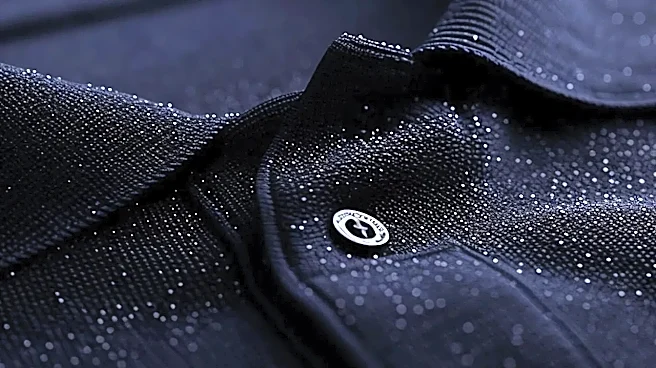


The 'Water-Resistant' Baseline
Think of 'water-resistant' as the first line of defense against moisture. Garments with this label can handle light, brief exposure to precipitation, like a sudden drizzle on your way to the car or a gentle snow flurry. This resistance is typically achieved
in one of two ways: either through a tightly woven fabric that naturally struggles to absorb water, like polyester or nylon, or through a coating called a Durable Water Repellent (DWR). This DWR finish causes water to bead up and roll off the surface instead of soaking in. However, this protection has its limits. In a sustained downpour or when pressure is applied (like from backpack straps or sitting on a wet surface), water will eventually seep through. Water-resistant items often prioritize breathability and comfort for everyday wear over complete weather defense.
The 'Waterproof' Guarantee
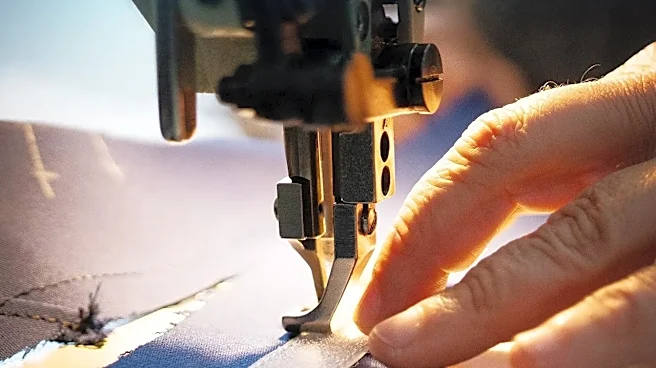
When a label says 'waterproof,' it’s making a much stronger promise. A truly waterproof garment is engineered to be a complete barrier against water, keeping you dry even during prolonged, heavy exposure to rain or wet snow. This isn't just about the fabric; it's about construction. Waterproof jackets and pants feature a membrane or coating that physically blocks water from passing through. You'll also find that the seams—a common weak point where water can enter—are sealed with waterproof tape. Without taped seams, even the best fabric will eventually leak through the stitching holes. This construction is designed to withstand not just falling rain, but also the pressure of wind driving that rain against you or the moisture from kneeling in snow.
Decoding the Jargon: What Ratings Mean
To give you a better sense of a fabric’s capability, many brands use a waterproof rating measured in millimeters (mm). This number comes from a 'hydrostatic head' test, which measures how tall a column of water the fabric can hold back before it starts to leak. The higher the number, the more water pressure it can handle. Here’s a simple guide: - Up to 5,000mm: This is generally considered water-resistant or suitable for light showers and dry snow. It’s good for short outings where you won’t face heavy rain. - 6,000mm to 10,000mm: This is a solid, everyday waterproof level. It can handle moderate, sustained rain and is a great choice for daily commuting, dog walking, or resort skiing. - 15,000mm and above: This is high-performance gear designed for heavy rain, wet snow, and demanding conditions. If you're backpacking, mountaineering, or spending long hours in seriously bad weather, this is the level of protection you need.
Don't Forget About Breathability
Staying dry isn't just about keeping rain out; it's also about letting sweat escape. If your jacket is a complete plastic barrier, you’ll get wet from the inside out as soon as you start moving. This is where breathability comes in. High-quality waterproof gear uses sophisticated membranes with pores that are too small for liquid water droplets to enter, but large enough for water vapor (your sweat) to exit. Water-resistant items are almost always more breathable than their waterproof counterparts, making them comfortable for light activity. For active winter pursuits like skiing or hiking, look for a jacket that balances a high waterproof rating with a good breathability rating, often measured in grams (g/m²).
So, Which One Do You Need?
Choosing between water-resistant and waterproof comes down to how you plan to use your gear. Choose water-resistant for everyday, casual use with a low chance of heavy precipitation. It's perfect for a quick commute, running errands in a light drizzle, or as a stylish layer on a cold, dry day. It offers flexibility and breathability for comfort during low-intensity activities. Choose waterproof for any activity where you expect to be in sustained rain, heavy snow, or wet conditions for a prolonged period. This includes hiking, skiing, snowboarding, or even just a long commute in a downpour. If staying dry is your top priority to stay warm and safe, waterproof is non-negotiable.