




The 'Netflix' of Festivals
Think about why you subscribe to Netflix or Disney+. You don't just pay for the new releases; you pay for access to a vast library of content you can watch anytime. Insomniac, the organizer of Electric Daisy Carnival (EDC), has adopted this exact mindset.
By meticulously recording and archiving DJ sets, they are transforming a fleeting, three-day event into a permanent, on-demand content library. The festival is no longer just the product; the archive is, too. Just as Netflix built its empire on a deep catalog of shows and movies, EDC builds its brand on a growing collection of legendary performances. This digital library gives the brand a tangible, accessible asset that exists long after the last attendee has gone home, effectively turning a live events company into a media entity.
Building a Year-Round Community
The biggest challenge for any annual event is staying relevant during the 362 days it isn't happening. This is where the set archives become a powerful marketing and engagement tool. Throughout the year, Insomniac can strategically release these sets on platforms like YouTube. A post in bleak mid-February featuring a sun-drenched set from the previous May does more than just rack up views. It reignites memories for past attendees and serves as a powerful advertisement for future ones. It keeps the conversation going in fan communities, sparks debates ('Was this the best set of the festival?'), and ensures the EDC brand remains a constant presence in the cultural life of its audience, rather than a once-a-year blip on the calendar. It’s the EDM equivalent of a streaming service dropping a 'remember this classic?' post to keep you from canceling your subscription.
The FOMO Engine
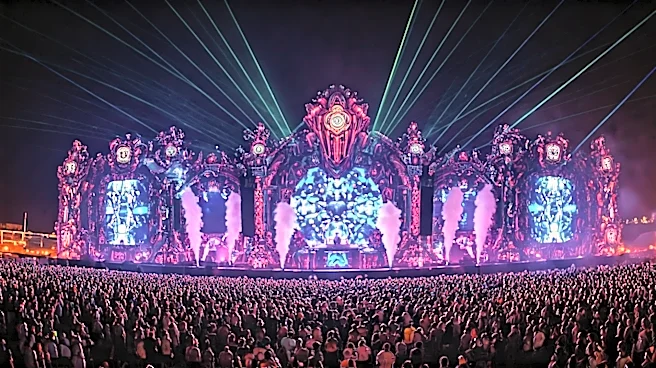
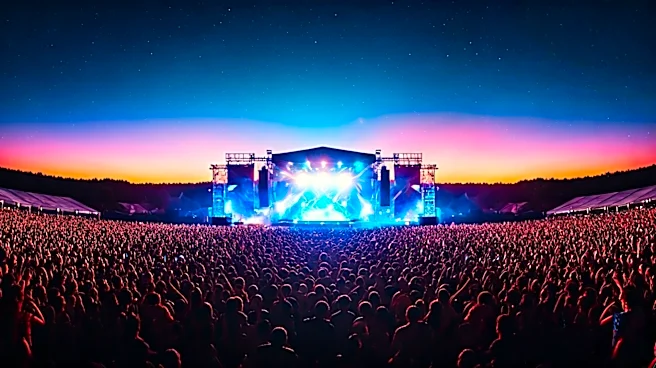
Archived sets have a brilliant psychological effect: they are the ultimate engine for creating FOMO (Fear Of Missing Out). For those who didn't attend, watching a high-quality recording of an epic set from a packed stage under the electric sky isn't a substitute for being there—it's a powerful motivator to ensure they don't miss out again. The videos scream, 'This was legendary, and you weren't here.' This dynamic drives ticket sales for the next year's event more effectively than almost any traditional ad campaign could. Simultaneously, the archives offer a consolation prize. They allow a global audience that couldn't attend due to cost, distance, or other commitments to feel a part of the experience, broadening the festival's reach and fostering goodwill. It’s a win-win: you cater to those who missed it while subtly convincing them to buy a ticket for the next round.
Curating the Canon
In the pre-internet age, the legacy of a live performance was based on word-of-mouth and fuzzy bootlegs. Today, official archives allow festival organizers to become curators of their own history. By choosing which sets to release, promoting them, and presenting them in high-definition, EDC solidifies certain performances as 'canon.' A great set is no longer just a memory; it's a certified, shareable piece of media that can launch an up-and-coming DJ's career or cement a veteran's legendary status. This process helps build the festival’s own mythology. New fans can 'study up' on the classic moments, creating a deeper, more informed fan base. This isn't just storage; it's storytelling. Insomniac is defining what moments mattered, shaping the narrative of its own brand and the wider electronic music scene.