


1. The Teaser for the Trailer
Before you even see the main trailer, you see a trailer for the trailer. Studios release 15-second social media clips announcing when the full trailer will drop, creating a mini-event and building anticipation for a marketing asset.
2. Staggered Trailer Releases
One trailer is never
enough. The campaign starts with a vague teaser trailer up to a year out. This is followed by a more detailed official trailer months later, and often a final, action-packed trailer closer to release to seal the deal.
3. The Social Media Countdown
In the week leading up to release, studios use social media to create a sense of urgency. Daily posts counting down the days, often with new micro-content like GIFs or short cast messages, keep the film at the top of everyone's feed.
4. Character-Specific Posters
Instead of one ensemble poster, studios release a whole series of high-quality posters, each focusing on a single character. This drip-feed of content gives dedicated fans something new to share and discuss for weeks.
5. Strategic Hashtag Campaigns
A simple, memorable hashtag is crucial. Studios push a specific tag for fans to use, sometimes tying it to a contest or a user-generated content challenge to encourage organic spread and track online buzz.
6. Influencer-Only Screenings
Long before the public or even critics see the film, studios host private screenings for social media influencers. The goal is to generate early, positive reactions from trusted personalities, kickstarting the word-of-mouth engine.
7. The Non-Stop Press Tour
In the final weeks, the cast and director embark on a grueling global press junket. They appear on morning shows, late-night talk shows, and podcasts, ensuring the movie is unavoidable in mainstream media.
8. Massive Brand Collaborations
Modern blockbusters partner with dozens, sometimes hundreds, of brands. From fast-food tie-ins and makeup lines to clothing and cars, these collaborations make the film's brand ubiquitous in daily life. Campaigns for films like "Barbie" and "Wicked" saw partnerships with over 165 and 400 brands, respectively.
9. Experiential Pop-Up Events
Studios create immersive, real-world experiences that let fans "step into" the movie. This could be a recreation of a key set in a major city or an interactive exhibit, all designed to generate social media-friendly photo opportunities.
10. Social Media Account Takeovers
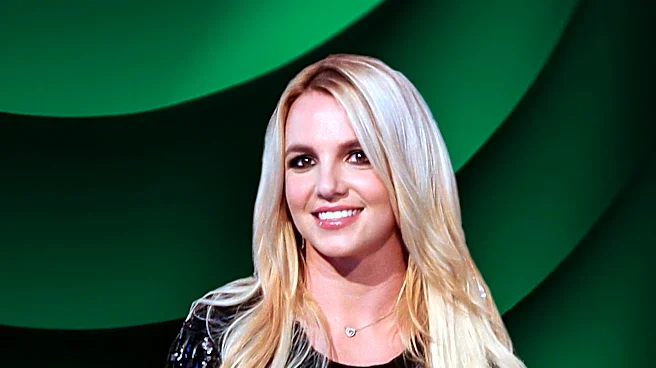
For a day, a film's star might "take over" the studio's Instagram or TikTok account. This provides a seemingly authentic, behind-the-scenes look at their day and a direct line of engagement with fans, driving huge interaction.
11. Releasing a Key Soundtrack Single
A hit song can be a Trojan horse for a movie. Studios will often release a major single from the film's soundtrack weeks in advance, hoping to dominate radio airwaves and streaming charts to build brand recognition for the movie itself.
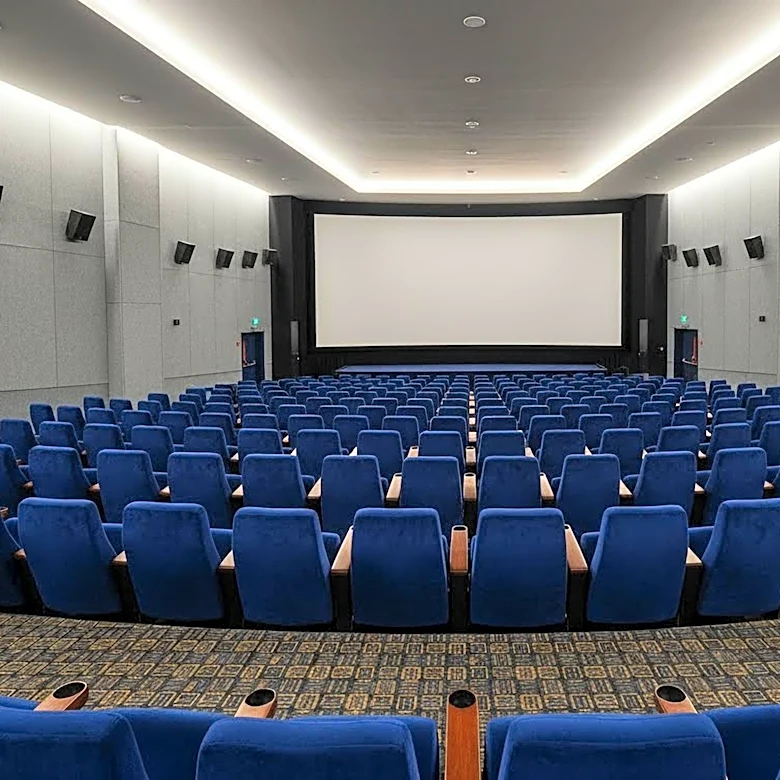
12. Fan-First Screenings
Just before the official release, studios hold special screenings exclusively for fans. These events reward the most dedicated followers and are engineered to produce a wave of overwhelmingly positive online buzz just as the general audience is making its weekend plans.
13. Behind-the-Scenes Featurettes
Studios release polished mini-documentaries online that showcase the film's special effects, stunt work, or production design. These clips give audiences an appreciation for the craft and build value beyond the core plot.
14. Interactive Digital Experiences
A film's website is more than just a place for showtimes. Many campaigns now include simple online games, personality quizzes tied to characters, or AR filters for social apps, creating another layer of engagement.
15. Leaking the Opening Scene
In the final few days before release, some studios will strategically release the first few minutes of the film online. It’s the ultimate confidence play, giving audiences a free taste that’s substantial enough to get them hooked and committed to buying a ticket.