


The Power of a Shared Memory
Nostalgia is one of the most powerful tools in Hollywood’s arsenal. In a fractured media landscape with infinite choices, bringing back a beloved property is a shortcut to relevance. It comes with a built-in audience and an established emotional connection.
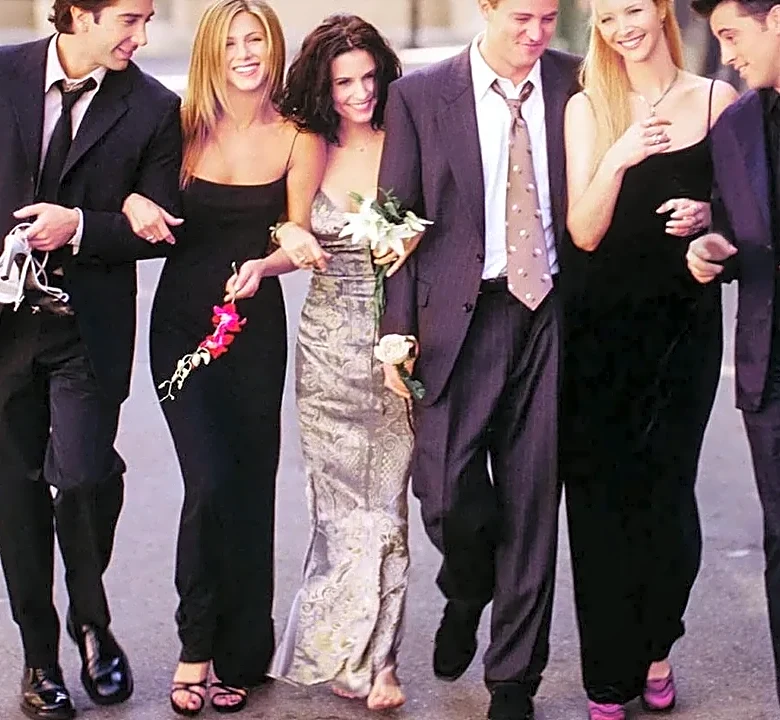
Psychologically, familiar stories can be a balm in uncertain times, reconnecting us to meaningful moments in our past. This is the engine behind the constant stream of revivals. Networks and streamers know that tapping into a collective memory, whether it's from the 90s or just a few years ago, is a reliable business strategy. It reduces marketing risk and gives a new show an immediate foothold in the cultural conversation. The promise is simple: if you loved the original, you’ll love this, too. But that’s a promise that’s not always kept.
Empty Nostalgia: A Story on Repeat
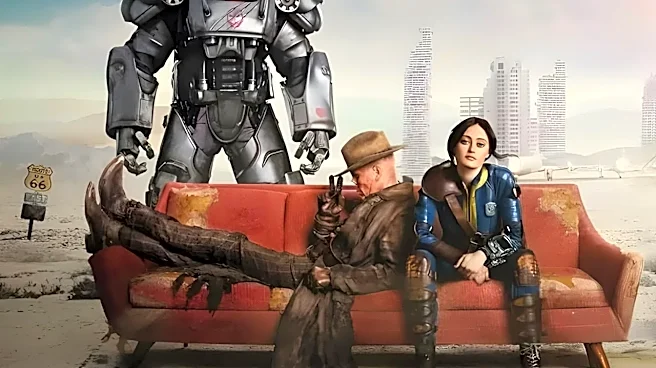
Empty nostalgia, or "nostalgia bait," happens when a show references the past without understanding what made it special. It’s a highlight reel, not a story. Think of a sequel that brings back a beloved character just for a cheap catchphrase, or a reboot that copies iconic scenes without the original context that gave them meaning. It's the equivalent of a tribute band playing the notes but missing the soul. This fall, you might see it in a dark, gritty reimagining of a wholesome family sitcom that mistakes bleakness for depth, or a legacy sequel that resurrects a classic villain with no new motivation. This approach doesn't respect the audience; it merely exploits their affection. It treats the original work as a collection of assets to be deployed, rather than a foundation to build upon. The result is a hollow experience that makes you want to just rewatch the original.
Smart Fan Service: Rewarding the Faithful
Smart fan service, on the other hand, is additive. It rewards dedicated viewers with details that enrich the world and deepen the narrative, without alienating newcomers. It’s the difference between a throwaway cameo and a character’s meaningful return that pushes the new story in an unexpected direction. This kind of service feels earned because it’s integrated into the plot. It demonstrates that the creators are fans, too—that they’ve thought deeply about the world, its rules, and its history. It could be a subtle visual cue in the background of a scene, a line of dialogue that calls back to a minor event from the original series, or a plot development that cleverly resolves a decades-old question. It doesn’t just repeat what came before; it builds on it, showing that the universe has grown and evolved along with its audience.
The Litmus Test for Fall 2026
As new shows like Prime Video's "Blade Runner 2099" and Netflix's "A Different World" revival arrive, how can you spot the difference? The key question to ask is: does this show have its own reason to exist? Empty nostalgia relies entirely on the original. Its big moments are all borrowed. Smart fan service uses the original as a launchpad for a new, compelling story. A great revival or sequel should stand on its own two feet. Look at a show like the upcoming "Neagley," a spin-off from the popular "Reacher" series. Its success will depend on whether the title character is compelling enough to lead her own story, not on how many times Jack Reacher can make a cameo. The best revivals honor the past by having the courage to build something new and vital from it, trusting that the audience is ready for the next chapter.