
The Paramount Problem
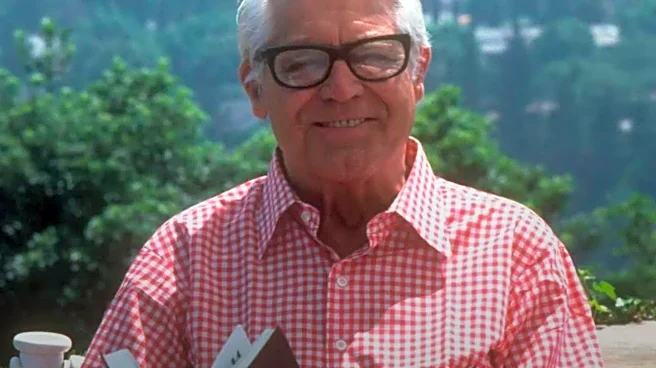
After arriving in Hollywood in 1931, the newly christened Cary Grant signed a five-year contract with Paramount Pictures. The studio put him in film after film, but often in roles he found unfulfilling.
He played a series of handsome but stiff playboys and was frequently cast in movies he felt wasted his talents. Mae West saw his potential and cast him in two of her hit films, She Done Him Wrong and I'm No Angel, which helped save the studio from bankruptcy. Despite this, Grant felt he was stuck, later saying he was tired of "playing all the parts Gary Cooper didn't want." He was creatively stifled and felt his career was stalling in a series of unsuccessful pictures.
A Risk That Could End a Career
By 1936, Grant had had enough. The studio system was notoriously restrictive, with actors tied to long-term, exclusive contracts that gave them little say in their careers. But Grant was determined to gain control. When his Paramount contract expired, he made a decision that was almost unheard of at the time: he refused to renew it. He decided to become a freelance actor, a move that was incredibly risky and could have easily backfired, effectively ending his Hollywood ambitions. He became one of the very first major actors to break from the studio system, betting on himself when the industry was built on keeping stars under its thumb.
Finding His Comedic Voice
Working as an independent actor gave Grant the freedom he craved. He signed non-exclusive deals with Columbia Pictures and RKO, which allowed him to choose his own projects and scripts. This newfound control immediately paid off. In 1937, he starred in the screwball comedy Topper, and followed it up with The Awful Truth. It was in The Awful Truth that the Cary Grant persona we know today was truly born: the sophisticated, witty, and effortlessly charming leading man with perfect comedic timing. The film was a massive hit and solidified his place as a top-tier star.
The Birth of a Legend
Grant's gamble had worked. Free from the constraints of a single studio, he embarked on a string of classic films that would define his legacy, including Bringing Up Baby, His Girl Friday, and The Philadelphia Story. His decision not only saved his career from mediocrity but transformed him into an icon. By taking control, he was able to shape his own image and select roles that showcased his unique blend of suave elegance and physical comedy. The struggling actor who almost walked away had successfully invented 'Cary Grant,' pioneering a new level of independence for Hollywood stars and creating one of the most enduring legacies in film history.