





The Power of the Binge
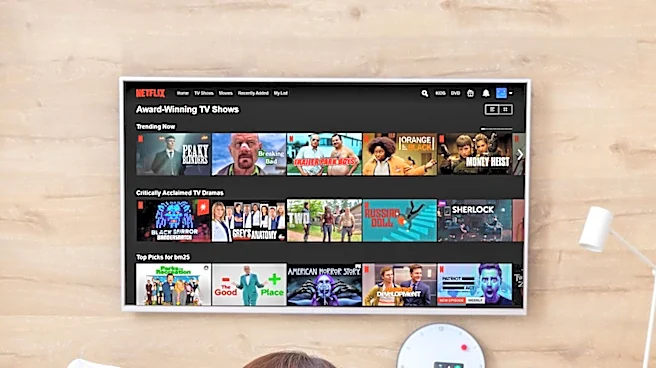
The all-at-once binge drop, pioneered by Netflix, is still a go-to move for generating a massive, immediate cultural footprint. This month, several major series are banking on this strategy. Netflix is releasing the final season of its popular teen drama
"Outer Banks" and the third season of "My Life With the Walter Boys" as 10-episode binges. The goal is to dominate the social media conversation for a weekend, creating a sense of urgency for viewers to watch immediately to avoid spoilers. This approach works best for established shows with a loyal fanbase or high-concept thrillers where momentum is key. By making every episode available, platforms encourage a deep, immersive viewing experience that can turn a new show into an instant phenomenon or give a returning favorite a blockbuster-level sendoff.
The Hybrid 'Best of Both Worlds' Model
Increasingly, streamers are choosing a middle ground. This August, Hulu is premiering the new season of its animated hit "Futurama" with two episodes on August 3rd before moving to a weekly schedule. Similarly, Paramount+ is launching the second season of "Average Joe" with a two-episode premiere on August 19th. This hybrid model aims to capture the best of both worlds. The initial multi-episode drop acts as a strong hook, giving audiences enough content to get deeply invested in the characters and plot. The subsequent shift to weekly releases then sustains the conversation over a longer period, building anticipation and allowing fan theories to flourish online. It’s a strategy designed to combat subscriber churn by giving viewers a reason to stick around for weeks after the premiere.
When Weekly Still Reigns Supreme
Despite the innovations, the traditional weekly release is far from dead—especially for major event television. While many August premieres are experimenting, the biggest tentpoles often thrive on weekly anticipation. For example, HBO’s strategy with shows like "House of the Dragon," which concludes its third season on August 9, has been to build suspense and dominate the cultural conversation one week at a time. This model is particularly effective for complex mysteries or sprawling fantasy epics where each episode provides clues and plot twists that fans can dissect for days. The upcoming DC Studios series "Lanterns," premiering August 16 on Max, is also expected to follow a release pattern that maximizes weekly discussion. This slow burn keeps a show in the zeitgeist for months, not just a single weekend.
A Calculated Decision for Every Show
Ultimately, the choice of release model is no longer a simple preference but a highly calculated business decision. A full-season drop might be perfect for a self-contained thriller, while a weekly release benefits a universe-building franchise. Hybrid models serve to hook impatient viewers while still retaining them for the long haul. Platforms now analyze a show's genre, target audience, and potential for sustained buzz to customize its rollout. For licensed content that has aired elsewhere, a full-season drop is standard. But for high-stakes original programming, the release strategy is a crucial part of the marketing and a reflection of the platform's confidence. The days of a single, dominant playbook are over; we are now in the era of the bespoke release schedule, where how you watch is almost as important as what you watch.