


The Power of the Uniform
Miuccia Prada has long been fascinated by the uniform. Whether it's the crisp collar of a nurse, the stark functionality of a soldier's coat, or the pleated grey skirt of a schoolgirl, these archetypes appear again and again in her collections. For Prada and her co-creative
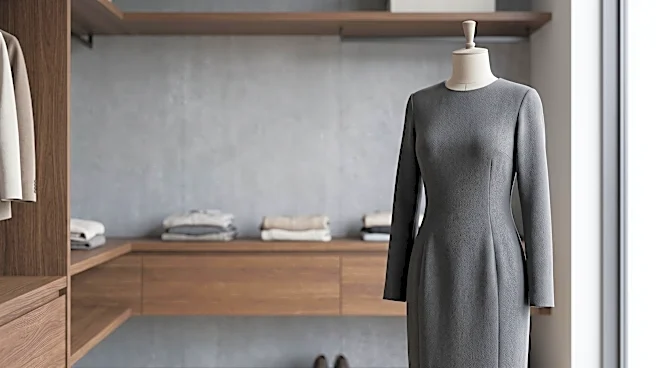
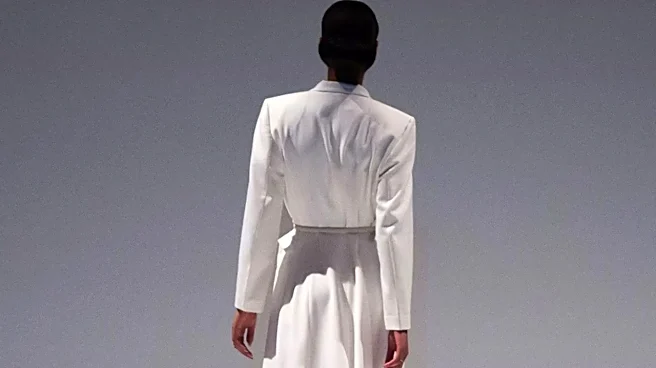
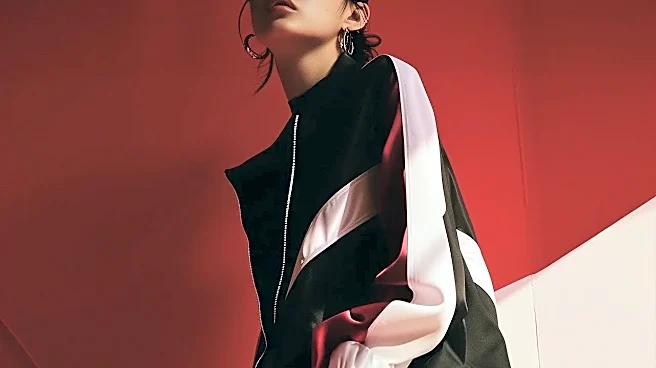
director Raf Simons, the uniform isn't about conformity; it's about providing a neutral canvas that allows the wearer's intellect and personality to take center stage. A simple, boxy shirt or a pair of perfectly creased trousers acts as a kind of armor, protecting the wearer from the noise of trends and allowing them to think. In a world saturated with fleeting 'It' items, a plain Prada coat is a statement of permanence and self-assurance. It suggests a person who doesn't need extravagant clothes to be noticed. This focus on restraint has been a consistent theme, with recent collections stripping away excess to focus on clarity and purpose.
Alchemy of the Mundane
Prada’s most revolutionary act might have been convincing the world that industrial nylon was a luxury material. When Miuccia Prada introduced a simple black nylon backpack in 1984, it was a radical gesture. At the time, nylon was seen as cheap and utilitarian, the stuff of workwear and tents. By placing the triangular Prada logo on it, she elevated the material and, in doing so, questioned the very definition of luxury. This wasn't just about aesthetics; it was an intellectual exercise. The brand has continued this tradition, transforming humble materials through meticulous craftsmanship and context. In recent years, this commitment has evolved into the Re-Nylon project, which uses ECONYL, a regenerated nylon made from recycled ocean plastic and textile waste, converting the brand's signature material into a statement of sustainability.
The Intellect of 'Ugly Chic'
For decades, a core tenet of Prada's design philosophy has been what the industry dubbed "ugly chic." This concept, which first gained traction with the Spring/Summer 1996 collection, involves using deliberately off-key colors, slightly awkward silhouettes, and patterns that clash to challenge conventional ideas of beauty. A shoe might be a little too clunky, a skirt's color a vaguely unsettling shade of brown, or a pattern something you might find on a vintage sofa. This isn't about making unattractive clothes. Instead, it's a way to force a second look and engage the viewer's mind. These simple but strange pieces reject passive consumption. They require a certain confidence to wear and signal an insider's understanding of fashion as a form of critical expression. It's an "if you know, you know" approach that has proven more influential than a thousand conventionally pretty dresses.
A Foundation for Ideas
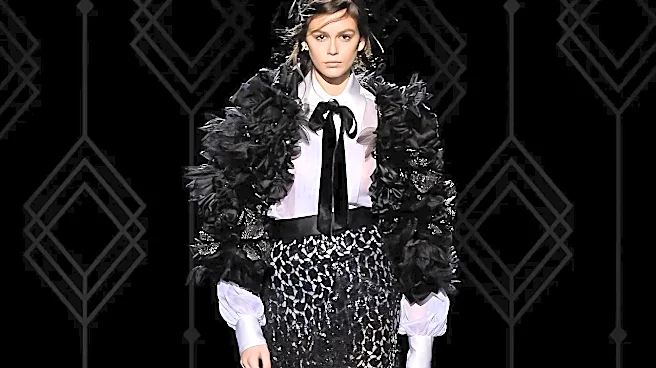
The simple pieces don't just exist on their own; they provide the essential foundation that makes Prada's more eccentric ideas work. Recent collections under Prada and Simons have explored the act of dressing itself, presenting a single garment layered in different ways to show its versatility. A straightforward wool coat provides the grounding for a sheer dress underneath; a basic knit sweater is paired with a dramatic, embellished skirt. This interplay between the mundane and the fantastic, the simple and the complex, creates a wardrobe that feels both intelligent and wearable. The designers themselves have spoken about hating "useless design" and wanting to create something meaningful and useful for people. The simplest pieces are the anchor of this philosophy. They are the versatile, real-world components that allow for experimentation, proving that true style isn't about wearing a single, spectacular look, but about the thoughtful combination of garments.