





The Problem: Decision Fatigue
Let’s be honest. When a tournament like the Euros or Copa América kicks off, the sheer volume of games is intimidating. There are dozens of group stage matches alone, often running concurrently across different channels. For the casual American fan—someone
who gets excited for the World Cup but doesn't follow the Premier League every Saturday morning—it feels like homework. Do you watch Albania vs. Croatia? What about Slovenia vs. Serbia? The fear of missing out is real, but the reality of a nine-to-five job means you can’t watch everything. This pressure can make you tune out altogether. The solution isn't to watch more soccer; it's to watch soccer more strategically. The goal is to maximize drama, connection, and enjoyment while minimizing the time spent deciphering the bracket. That's where the hack comes in. Think of it as your cheat code to a great tournament experience.
The Hack: The '1-1-1 Rule'
Forget trying to follow 24 or 32 different teams. Your new strategy for any given gameday or weekend is the '1-1-1 Rule.' It simplifies your viewing schedule into three distinct categories, ensuring you get a perfect blend of personal investment, blockbuster drama, and smart, insider-level fun. Each '1' represents one game you're going to target. This turns an overwhelming menu of options into a curated, three-course meal of soccer. You'll watch one game for loyalty, one for the storyline, and one for the discovery. It's a simple system that guarantees you'll see the most important action without feeling chained to your couch for eight hours a day. Let's break down how to pick your three matches.
Game 1: The Anchor Game (Your Team)
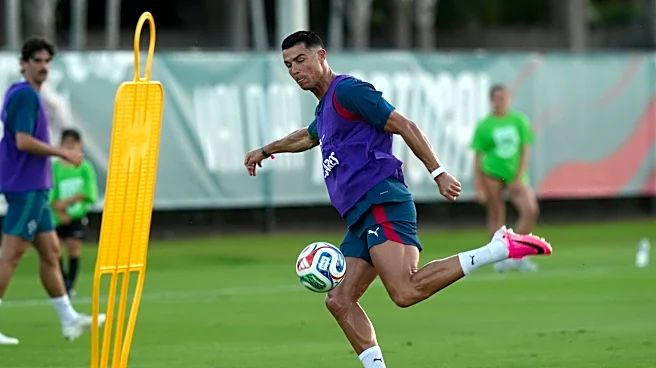
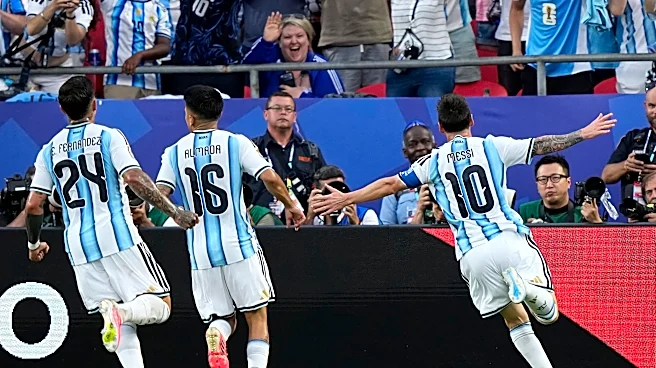
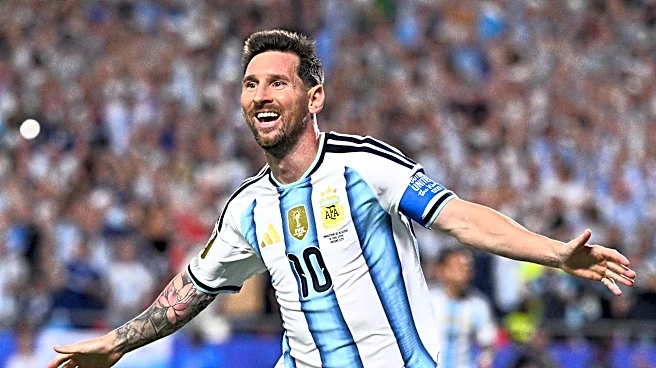
This is your non-negotiable. It’s the one game you clear your schedule for. For most of us in the U.S., this means any time the USMNT (or USWNT) plays. This is your emotional investment, the match where the outcome genuinely matters to you. Following one team through the tournament provides a narrative thread from start to finish. You experience their highs, their lows, and the gut-wrenching tension of a must-win match. Don't have a national team you're passionate about? No problem. Pick a country you have heritage from, a place you've visited, or simply adopt one with a superstar you admire, like Argentina for Lionel Messi or Portugal for Cristiano Ronaldo. This is your 'home base' for the entire tournament, the team whose success or failure defines the experience for you.
Game 2: The Blockbuster Game (The Storyline)
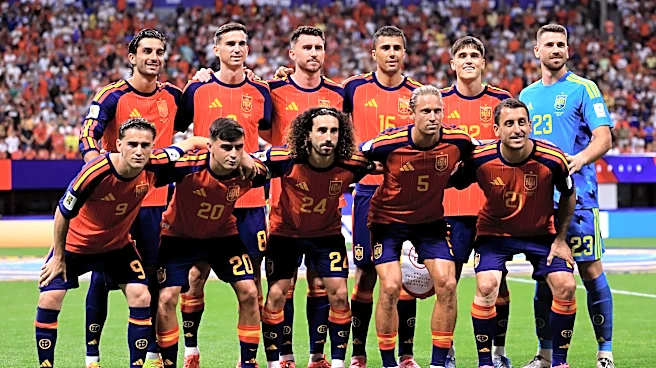
This is the match the whole world is watching. Think of it as the weekend's premier movie opening. It’s typically a clash between two global powerhouses—like Spain vs. Italy or Brazil vs. Argentina—or a match with a spicy historical narrative. Announcers will be billing it as a 'grudge match' or a 'clash of titans.' This is where you’ll find the highest concentration of famous players, tactical battles, and potential for iconic moments. These games are easy to find; they get the primetime slot and the most pre-game hype. Watching the Blockbuster Game ensures you're part of the global conversation. When your coworkers are talking about Kylian Mbappé's ridiculous goal on Monday morning, you'll know exactly what they mean. This game delivers the spectacle.
Game 3: The Wildcard Game (The Discovery)
Here's where you graduate from a casual to a savvy fan. The Wildcard is a game you pick not because of the famous names, but because of the stakes. Look for a match on the final day of the group stage where both teams need a win to advance. The desperation creates incredible, end-to-end drama. Alternatively, pick a matchup featuring a beloved underdog or a team known for a chaotic, all-out-attack style of play (think of teams like Colombia or Turkey in recent tournaments). This is your chance to discover a new favorite player or witness a shocking upset that sends ripples through the bracket. This is the 'I can't believe how good that game was!' match. It's your reward for looking past the obvious and gives you a deeper appreciation for the tournament as a whole.