




Another Remake, But Different
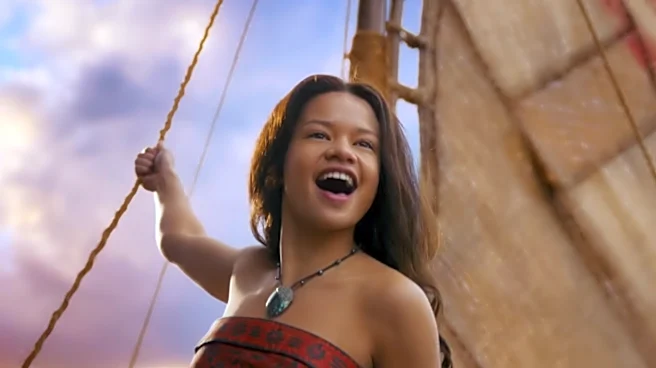
The cynicism is easy. In an era where Disney seems determined to convert its entire animated catalog into live-action, remake fatigue is real. Yet, the live-action Moana, set to release on July 10, 2026, isn't following the usual 20- or 30-year nostalgia
cycle that powered films like The Lion King and Beauty and the Beast. The original 2016 film is still a fresh cultural fixture, the most-streamed movie on Disney+ and a constant in the homes of young children today. This isn't about reviving a classic from a past generation; it's about re-telling a story that never left. The unusually short gap makes this project a fascinating test case. Can Disney sell audiences the same story, twice in a decade, and make it a blockbuster? The answer likely lies with the people who control the family TV and movie night budget.
The Gatekeepers of Family Movie Night
Unlike die-hard Disney adults or lone fans who might see a film out of pure curiosity, a family trip to the cinema is a calculated investment. It’s a decision-making process dominated by parents. These are the millennials who were in their late teens or twenties when the first Moana came out—old enough to love it, but young enough to now have children who are the prime age for the story. Their nostalgia isn't for their own childhood, but for a film they associate with their own young children or their early adulthood. This demographic holds the ultimate veto power. If the remake feels like a hollow cash grab or fails to justify its existence beyond a financial calculation, they have a powerful alternative: stay home and stream the animated original for the hundredth time. Kids who love the original are a captive audience, but only if their parents are convinced this new version is worth the time and expense.
The Dwayne Johnson Factor
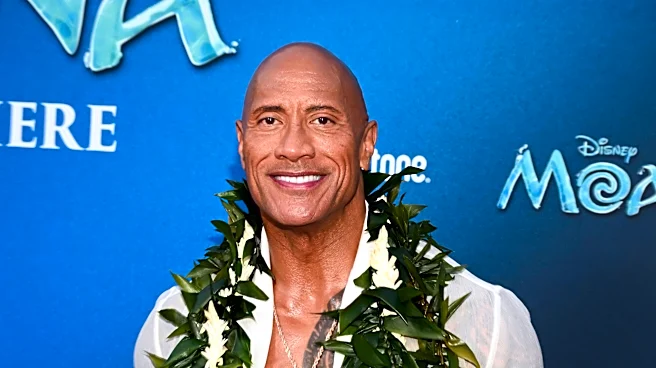
Disney’s biggest insurance policy on this gamble is Dwayne “The Rock” Johnson. Johnson, who voiced Maui in the animated hit, is back to play the demigod in the flesh and is also a key producer. His involvement is a powerful signal intended to build trust. He has framed his participation as a tribute to his Polynesian culture and his own grandfather, the late High Chief Peter Maivia, providing a narrative of authenticity and personal investment. In a Hollywood landscape wary of “soulless” remakes, Johnson serves as the project's protector and chief evangelist. He's not just an actor reprising a role; he's a global superstar telling parents, “This story matters to me, and I will make sure we get it right.” This personal branding is crucial for convincing skeptical parents that the remake has heart.
A Test for a New Remake Era
While early reviews for the film have been mixed, with some critics questioning its necessity and creative spark, the box office will be the final judge. Live-action remakes, even critically maligned ones, have often been enormously profitable for Disney, with several crossing the billion-dollar mark. The question for Moana is whether the formula still works when the source material isn't a distant memory but a current obsession. The film's success won't just be about ticket sales; it will be a referendum on the future of Disney's intellectual property strategy. If it succeeds, it proves that the window between animation and live-action can be dramatically shortened, opening the door for recent hits like Frozen and Encanto to get the same treatment sooner rather than later.