





The Authenticity Tightrope
The first and most obvious challenge for a period series is authenticity. Production designers and their teams spend countless hours in libraries, museums, and digital archives to get the details right. But here’s the catch: perfect historical replication
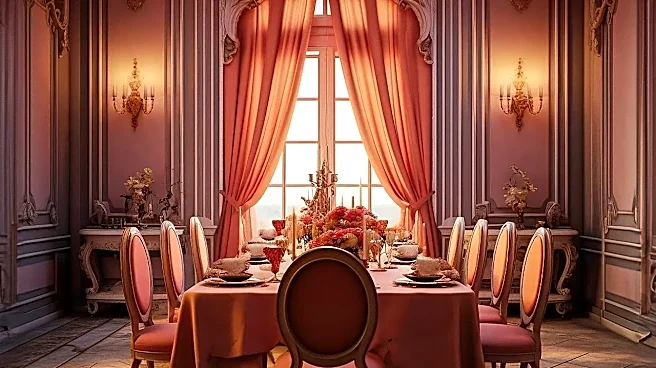
isn't always the goal. A room from the 1880s might be historically accurate, but if it’s too dark for the camera or doesn't fit the emotional tone of a scene, it doesn’t work for television. Designers like Bob Shaw on The Gilded Age must walk a fine line between respecting history and serving the narrative. The job is to create a world that feels real to the audience, even if a historian might spot a few creative liberties. It's about designing for character and story, using the past as a rich palette rather than a rigid rulebook.
Building a World from Nothing
On a contemporary show, a production designer can often source items from modern stores. Need a couch? Go to a furniture store. For a period show, every single object on screen—from the protagonist's teacup to the wallpaper to the streetlamps outside—presents a challenge. You can’t just buy a 19th-century newspaper stand. It either needs to be found at a specialty prop house, rented from a collector at great expense, or, more often than not, built from scratch. Shows like Shōgun or The Crown require not just re-dressing locations but fabricating enormous, complex sets that no longer exist anywhere in the world. This scarcity of everything means the art department’s budget and workload are immense. They are not just decorating a space; they are manufacturing a lost reality, piece by painstaking piece.
Design as Storytelling
The best production design doesn’t just look good; it tells the story. A pristine, orderly drawing-room can tell you everything you need to know about a family's matriarch before she even speaks. In contrast, a cluttered, lived-in kitchen can reveal a character’s warmth and humble origins. Emmy voters are looking for more than just a pretty backdrop; they are looking for design that deepens the audience's understanding of the characters and their world. A key consideration is how the environment interacts with the people in it. Does a grand ballroom make a character feel small and insecure? Does a cozy study provide a sense of safety? In a category as competitive as Outstanding Production Design for a Narrative Period or Fantasy Program, this fusion of aesthetic and narrative is what separates the nominees from the winners.
Standing Out to Emmy Voters
The final test comes when the Television Academy voters sit down to watch the submitted episodes. The category itself is a battleground, lumping together historical period dramas with expansive fantasy epics since 2018. This means a meticulously recreated 19th-century New York drawing room from The Gilded Age might be competing against a dragon-filled castle from a fantasy series or a dusty, futuristic wasteland from a show like Fallout. To win, a show's design must be not only flawless in its execution but also memorable and impactful. Voters must decide which team was more innovative, which world was more immersive, and whose work did the most to elevate the series as a whole. It's not just about spending the most money or having the grandest sets; it's about the artistry of creating a believable, unforgettable world that feels utterly essential to the story being told.