






When you picture a 1950s rebel, what comes to mind? A guy in a leather jacket or a girl in a poodle skirt? That's the costume party version. The decade's true counterculture was far more diverse, stylish, and interesting than that.
The Intellectual Rebel: Beatnik Style
Before the hippies of
the '60s, there were the Beatniks of the '50s. Centered in places like New York's Greenwich Village, this movement was about intellectualism, poetry, jazz, and a rejection of mainstream materialism. The style was minimalist, chic, and unisex long before that was a common concept. The uniform consisted of black turtlenecks, slim-fitting black pants or dark wash jeans, and simple footwear like loafers or ballet flats. For women, the look often included high-waisted capri pants, simple boat-neck tops, and maybe a beret for a nod to Parisian cool. It wasn't about flashy rebellion; it was a quiet, confident uniform that signaled you were more interested in conversation and ideas than post-war consumerism. The vibe was less 'Rebel Without a Cause' and more 'Rebel With a Library Card'.
The Rock 'n' Roll Rebel: Rockabilly & Pin-Up
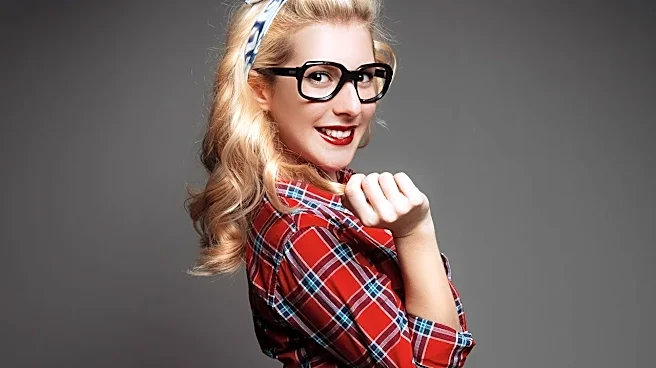
While greasers were one facet of the new rock 'n' roll culture, the women's style associated with it went far beyond the felt poodle skirt. Rockabilly fashion blended country influences with the raw energy of rock music. This look was sharper and more form-fitting. Think high-waisted cigarette pants or dark denim jeans, often cuffed. The wiggle dress or a tight pencil skirt, which hugged the body, was a popular rebellious alternative to the full swing skirt. On top, women wore peasant blouses, simple button-downs tied at the waist, or halter tops. Leopard print, polka dots, and cherry patterns were common motifs, adding a playful yet edgy feel. This was the style of a woman who wasn't just going to a sock hop; she was heading to a rock show, exuding confidence and a bold, unapologetic femininity.
The Subversive Prep: Ivy League Nonconformity
Rebellion doesn't always involve black clothing. On the elite campuses of the Ivy League, a different kind of quiet nonconformity was brewing. While the 'Ivy Style' became the basis for what we now call 'preppy', its origins were in casually breaking down the stuffy rules of menswear. This look was about taking sportswear—originally meant for tennis, golf, or sailing—and making it everyday wear. Think chino pants, oxford cloth button-down shirts, shetland sweaters, and desert boots. It was the antithesis of the greaser's working-class uniform, but it was its own form of rebellion against the formal, suit-and-tie expectations of their parents' generation. For women at sister colleges, the look involved borrowing from the men, pairing Brooks Brothers sweaters with tweed skirts or cuffed denim, creating an understated and intellectual 'anti-fashion' statement.
The Hollywood Iconoclast
The era's film stars offered another blueprint for rebellion. James Dean is famous for his red jacket, but his off-screen style often consisted of simple white tshirts, wornin jeans, and desert boots—a look that was accessible and easily emulated. On the other end of the spectrum was the gamine chic of Audrey Hepburn, especially in films like 'Funny Face'. Her beatnikinspired uniform of black cigarette pants, a black turtleneck, and loafers became instantly iconic. This wasn't about being loud; it was about a pareddown elegance that felt modern and independent. These stars projected a cool detachment from fussy, elaborate fashion, proving that true style came from attitude, not just adhering to the dominant hourglass silhouette of the decade.
It’s All in the Details
Ultimately,
capturing the spirit of these subcultures is about the details. For a rockabilly look,
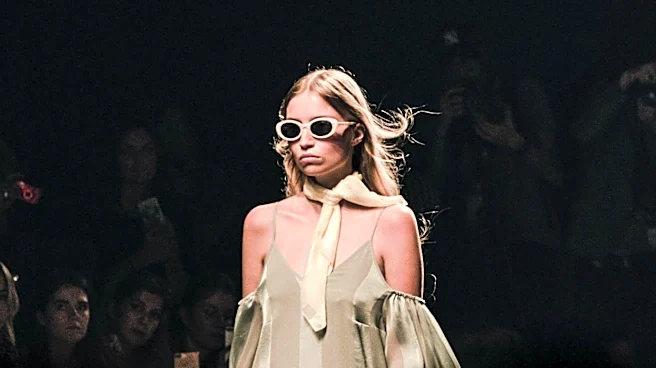
a simple bandana tied in your hair or around your neck and a wide cinch belt can transform an outfit.
For a beatnik feel,
it is about a lack of fuss—minimal jewelry,
perhaps just a pair of dark sunglasses.
The Ivy style rebel might pair a slightly rumpled sport coat with casual chinos,
a deliberate rejection of perfect polish.
These smaller choices are what move an outfit from a modern ensemble to one with a distinct,
vintageinspired point of view.
It proves that the 1950s offered a rich tapestry of styles for those who dared to dress outside the lines,
leaving plenty of inspiration for today.