





The Showdown: Fiber vs. Tubing
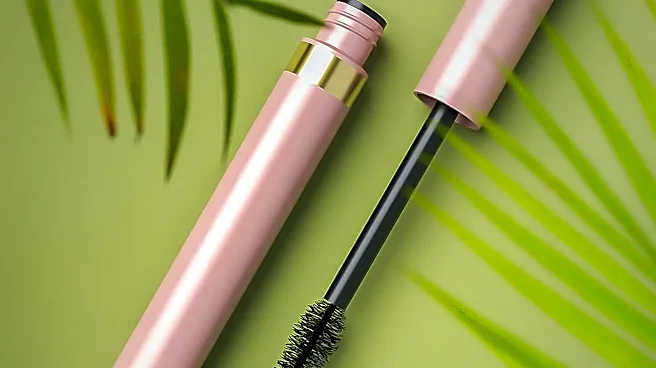
The core difference between these two mascara types lies in how they work. Fiber mascaras contain tiny particles, often made of nylon or rayon, that cling to your natural lashes to build dramatic length and volume. Think of it as adding temporary extensions
with every swipe. They are ideal for creating a bold, falsie-like effect. Tubing mascaras, on the other hand, use flexible polymers that wrap around each individual lash, forming a water-resistant 'tube'. Instead of adding particles, they encase the lash for a defined, lengthened look that is famously smudge-proof and long-wearing. This makes them a favorite for those with oily skin or who find their mascara often flakes or transfers.
For Ultimate Drama: The Case for Fiber
If you crave maximum volume and striking length, fiber mascara is your go-to. The formula is buildable, allowing you to layer it on for a seriously dramatic finish. However, this power comes with a potential downside: flaking. Those tiny fibers can sometimes detach during the day and land under your eyes. Professional application is key to minimizing this. The removal process also requires an oil-based makeup remover to dissolve the waxes and pigments holding the fibers in place. It’s a high-impact choice that delivers stunning results when applied with care.
For Clean All-Day Wear: The Case for Tubing
Tubing mascara’s greatest strength is its incredible staying power without the smudging. Because it forms solid tubes, it resists humidity, sweat, and natural skin oils, making 'raccoon eyes' a thing of the past. This makes it an excellent choice for everyday wear, contact lens wearers, or anyone with sensitive eyes. The biggest surprise often comes during removal. Instead of requiring a makeup remover, tubing mascara slides off easily with just warm water and gentle pressure from your fingertips. The tubes simply glide off the lashes intact, which also means less rubbing and pulling on the delicate eye area. The tradeoff is that tubing formulas typically offer more length and definition than intense volume.
The Hidden Step: Perfect Prep Is Everything
Here’s the secret that elevates any mascara application from amateur to professional: proper preparation. This isn't about a single magic product but a crucial two-part process. First, always use an eyelash curler on clean, dry lashes. Clamping at the base for a few seconds before applying any product gives your lashes a lift that opens up the eye. Never curl lashes after mascara is applied, as this can make them brittle and cause breakage. Second, consider a lash primer. This often-overlooked step creates a smooth, conditioned base that helps mascara adhere better, enhances volume and length, and prevents clumping and flaking throughout the day. A primer essentially gives your mascara the perfect canvas to work on, ensuring a smoother application and longer wear.
Pro Application for a Flawless Finish
Once your lashes are prepped, the right application technique makes all the difference. For both mascara types, avoid pumping the wand in the tube, which introduces air and dries out the formula faster. Instead, swirl it gently. When applying, use the 'wiggle and pull' method: place the wand at the base of your lashes and wiggle it horizontally as you pull upward to the tips. This ensures every lash is coated from root to tip. With tubing mascara, it's best to apply one or two coats while the formula is still wet and avoid adding more later, which can cause clumps. For fiber formulas, you can build more layers, but work quickly before each coat dries completely to avoid a clumpy or spidery look.