

You're Buying a Piece of History
When you buy from Tiffany, you're not just acquiring a piece of jewelry; you're buying into a 187-year-old legacy. Founded in 1837, the brand became synonymous with American luxury, Gilded Age glamour, and cinematic romance, thanks in no small part to Audrey
Hepburn in Breakfast at Tiffany's. That robin's-egg blue box is a cultural icon, representing commitment, status, and a level of quality that feels guaranteed. The company famously mandated that the boxes could only be acquired with a purchase, transforming simple packaging into an aspirational symbol. This powerful branding is a massive part of the premium, creating a sense of desire and emotional value that transcends the physical object itself.
The Case for Superior Craft and Materials
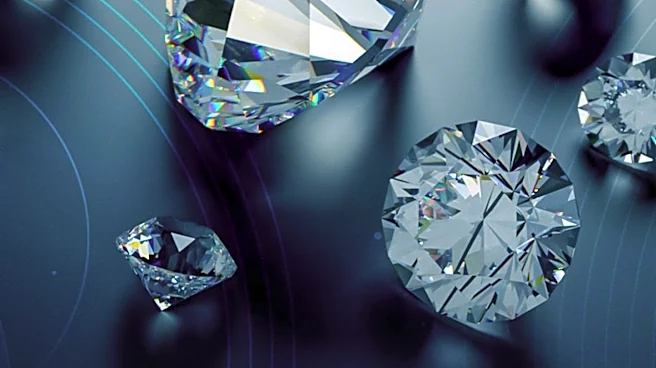
Tiffany's premium isn't just smoke and mirrors. The company has built its reputation on exceptional quality. For its diamonds, Tiffany claims to accept only 0.04% of the world's gem-grade stones, rejecting any that don't meet its stringent standards. Since its acquisition by LVMH, the brand has doubled down on transparency, providing a full craftsmanship journey for its registered diamonds, from mine to store. This vertical integration—owning its own diamond workshops—gives Tiffany direct oversight of cutting, polishing, and labor conditions, ensuring both quality and responsible sourcing. This commitment extends to its metals and the work of its nearly 1,500 artisans who craft the pieces. That famous six-prong Tiffany® Setting, introduced in 1886, was revolutionary for lifting the diamond to maximize its brilliance, and it remains an industry benchmark.
The Math Problem: Brand vs. Material Value
Here's where the "not worth it" argument gets its strength. When you strip away the branding, the markup on Tiffany jewelry can be substantial compared to the intrinsic value of its materials. For example, a one-carat Tiffany diamond engagement ring can cost around $18,000 to $20,000, while a non-branded ring with an identically graded GIA-certified diamond and platinum setting might cost closer to $6,000. The difference is the price you pay for the brand name, the in-store experience, and that iconic blue box. While Tiffany pieces, particularly sterling silver, generally hold their value better than non-branded jewelry, you are unlikely to recoup the full retail price on the resale market. Essentially, a significant portion of the initial cost is for the intangible prestige, not the tangible assets.
LVMH's High-Fashion Makeover
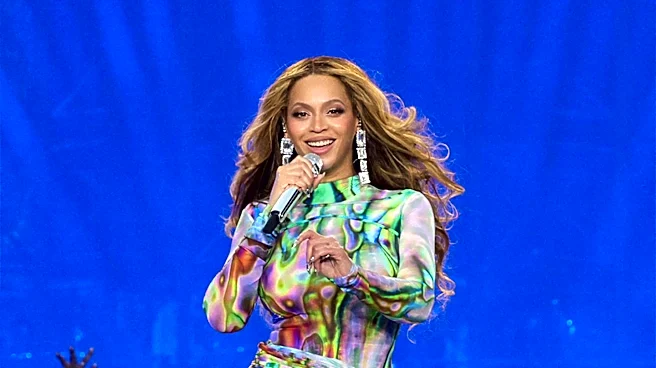
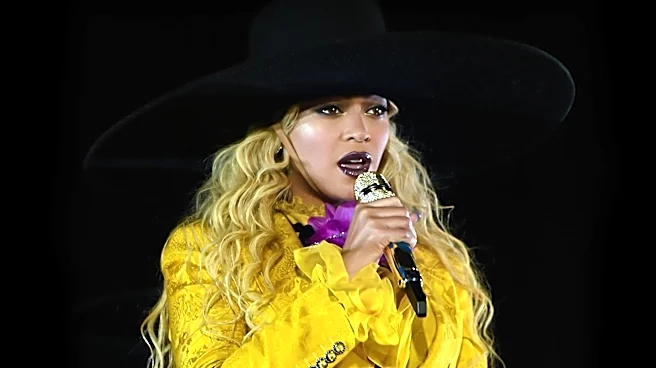
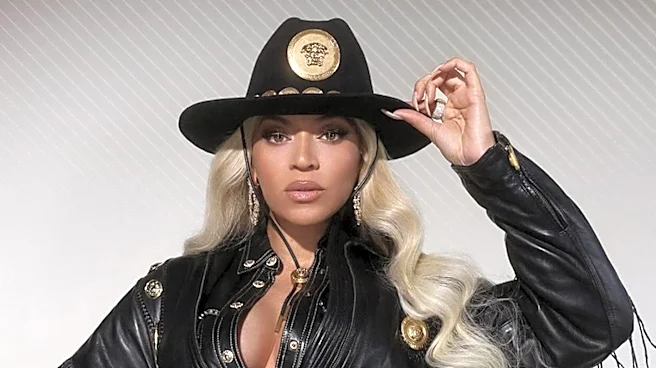
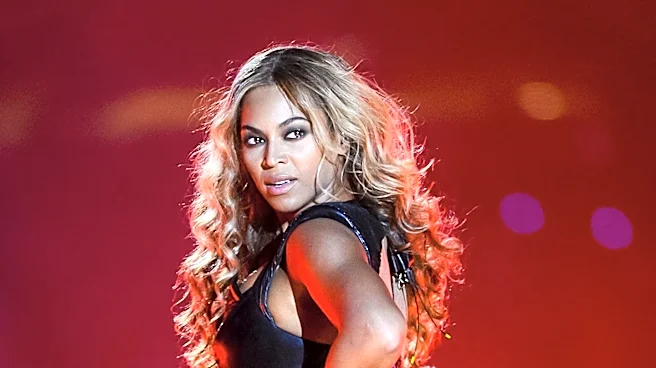
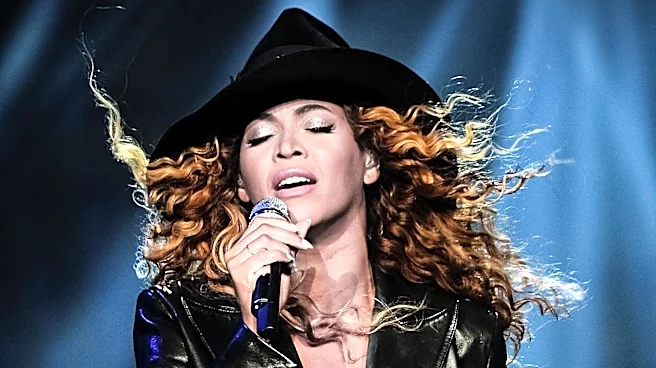
Since LVMH acquired Tiffany & Co. in 2021, the strategy has been to elevate its luxury status even further. The conglomerate has quadrupled high-jewelry revenue and successfully targeted younger, affluent consumers with edgier campaigns like 'Not Your Mother's Tiffany' and high-profile ambassadors like Beyoncé and Jay-Z. This reinvention has been a massive success, turning Tiffany into a major growth engine for LVMH. The goal is to reinforce Tiffany's position not just as a jeweler, but as a top-tier luxury house, justifying its premium pricing through exclusivity and modern cultural relevance.