






The Media Rights Gold Rush
First, let's follow the money. The single biggest source of revenue for FIFA is selling the rights to broadcast its games. For the 2026 cycle, FIFA is projected to earn well over $11 billion, and a massive chunk of that comes from television deals. The U.S.
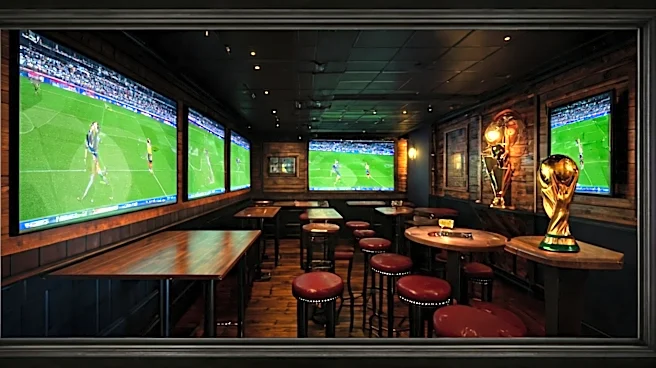
market is the undisputed heavyweight champion in this arena. Networks like Fox and Telemundo pay astronomical fees for the exclusive rights to show the tournament. Why? Because a large, engaged American audience translates directly into advertising dollars. Think of it this way: the more Americans who tune in to watch the U.S. Men's National Team (or even just blockbuster matches like Brazil vs. France), the more brands like Ford, Coca-Cola, and Budweiser are willing to pay for a 30-second ad spot. This creates a powerful feedback loop. High viewership justifies the enormous rights fees, and those fees are what bankroll the entire event, from stadium upgrades to prize money. Without a guarantee of millions of American eyes on screens, the financial model for the World Cup would be fundamentally weaker.
Unlocking America's Corporate Checkbook
Beyond television ads, there's the world of corporate sponsorship. The World Cup offers a unique platform for global brands to associate themselves with passion, unity, and peak athletic performance. For the 2026 tournament on home soil, this effect is magnified. Major American corporations that might otherwise focus on the NFL or NBA are lining up to become official partners. They see a once-in-a-generation opportunity to connect with an increasingly diverse and soccer-loving domestic audience. For global sponsors like Adidas or Visa, a successful U.S. tournament is just as crucial. The United States remains the world's most lucrative consumer market. A World Cup that truly captivates America doesn't just sell tickets in Kansas City and Philadelphia; it sells sneakers in Ohio and credit cards in California. Strong U.S. viewership numbers are a key metric these sponsors use to measure their return on investment. A tournament that flops on American TV is a tournament where sponsors feel they didn't get their money's worth, jeopardizing future deals.
The Last Great Frontier for Soccer
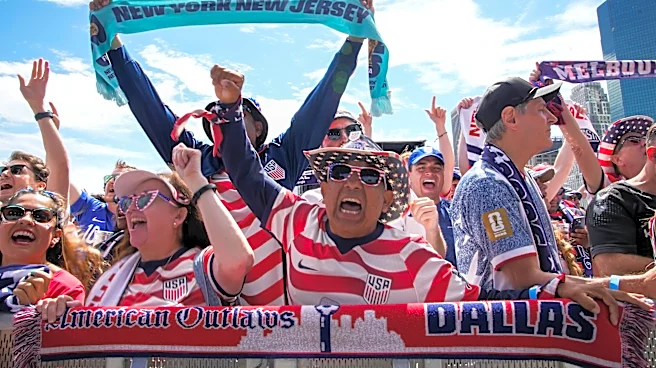
For over a century, the United States has been soccer's white whale: a massive, wealthy, sports-obsessed nation that has stubbornly resisted making 'the beautiful game' its number one sport. The 1994 World Cup, also hosted in the U.S., was the initial spark that led to the creation of Major League Soccer (MLS) and a slow, steady growth in popularity. The 2026 tournament is seen as the final push—the moment to finally and permanently embed soccer into the mainstream American sports landscape. FIFA knows that the sport’s long-term financial health depends on growth. While soccer is saturated in Europe and South America, the U.S. offers immense untapped potential. Converting millions of casual American fans into dedicated followers means more merchandise sales, higher TV ratings for leagues around the world, and a bigger talent pool. Strong viewership in 2026 is the clearest signal that this conversion is happening, proving to the entire global soccer ecosystem that the investment in the U.S. is paying off.
From the Stands to the Suburbs
Finally, the impact of viewership extends far beyond boardrooms and broadcast booths. When a major sporting event captures the national imagination, it inspires participation at the grassroots level. The more that kids see stars like Christian Pulisic or Tyler Adams succeeding on the world's biggest stage, the more likely they are to sign up for their local youth soccer league. This creates a self-sustaining cycle. A surge in youth participation builds a future generation of fans, players, and ticket-buyers. It strengthens the entire soccer pyramid in the United States, from recreational leagues to the professional ranks of MLS and the NWSL. High viewership in 2026 isn't just a fleeting rating; it’s a catalyst for cultural change, ensuring that the sport’s foundation in America becomes deeper and more resilient for decades to come. It’s the difference between a fun summer event and a true turning point for the sport in this country.