






The Problem of Human Static
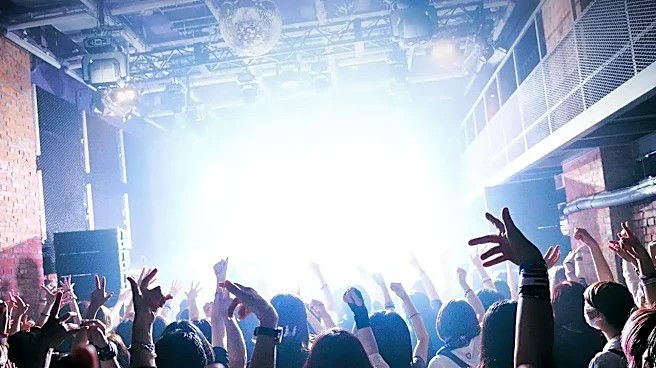
The single biggest challenge for any haunted attraction isn't the monster under the bed; it's the sheer number of people in the room. A sold-out night at Halloween Horror Nights (HHN) creates a wall of ambient sound that designers call “human static.”
This includes shuffling feet, nervous chatter, and, most importantly, screams. When one person gets scared, their reaction can obscure the next scare for the ten people behind them. This is the central problem HHN's sound designers face: how to tell a coherent, terrifying story when the audience itself is an unpredictable noise machine. Constant loud background music can further overstimulate guests, drowning out scene-specific sounds and diminishing the impact of a scare. A well-designed house has to anticipate and overcome this chaos, ensuring its key moments land effectively for everyone, not just the first person in the group.
Why Volume Is a Blunt Instrument
The simplest solution might seem to be cranking up the volume on everything. If the audience is loud, make the house louder. But this is a rookie mistake that veteran designers avoid. Blasting guests with undifferentiated, high-volume noise leads to auditory fatigue. Instead of being scared, people become desensitized or simply annoyed. A constant barrage of sound loses its power to surprise. The human brain is wired to react to sudden changes and unexpected noises as a survival instinct. When everything is loud, there's no dynamic range. There's no tension-building silence, no subtle crawl of a creature in the walls, and no sudden, impactful blast of sound that triggers a fight-or-flight response. Loudness becomes boring, and a great haunted house should be anything but. It’s the strategic use of sound, not just its presence, that creates genuine fear.
The Art of Directional Sound
So, what's the secret? It’s about precision. HHN designers are masters of creating distinct audio zones, often just a few feet wide. Using strategically placed directional speakers, they can aim a sound at a very specific spot. Imagine turning a corner and hearing a wet, guttural whisper directly in your right ear, a sound the person two feet ahead of you never heard. That’s the goal. This is achieved by hiding speakers everywhere—in walls, behind props, and in ceilings—and pointing them down at the center of a scene. Some scares are even triggered by the scare actors themselves, who can press a button to activate a synced sound effect and strobe light, ensuring the audio hits at the exact moment of the visual scare. This technique allows designers to create individualized experiences, making you feel like the horror is happening to you, not just in the room around you.
Beyond the Jump Scare
Effective sound design does more than just make you jump. It builds a world and tells a story. In fact, the most unsettling sounds are often the ones you barely notice consciously. Sound designers work with layers: an atmospheric track sets the mood, while shorter, thematic loops might signal a character's approach. They also use infrasound—low-frequency sound below the range of human hearing—which people can feel as a physical vibration. Studies have shown that exposure to infrasound can create feelings of uneasiness, dread, and sadness without the listener knowing why, making a room feel inherently “creepy.” This psychological manipulation is key. The unsettling drone in a house based on A Quiet Place or the haunting violin in Dead Man’s Pier does more to build sustained dread than a dozen loud noises ever could. It's this atmospheric layering that separates a good house from a truly great, unforgettable one.
The Unsung Storytellers of HHN
The audio team at Halloween Horror Nights are as much psychologists and storytellers as they are technicians. They understand that sound bypasses logic and speaks directly to our primal fears. For each house, they craft a unique audioscape, sometimes building a score around just a few key musical notes that get reinterpreted throughout the maze to create a cohesive theme. They think about what a location should sound like, from the happy, bubblegum pop of the 1950s playing amid horrific torture in one house to the sound-absorbing baffles used to create an unnatural quiet in another. They manipulate what you hear—and what you don't—to guide your emotions, heighten tension, and make the fictional horrors feel disturbingly real. They are the invisible architects of fear, and their work is most successful when you don't notice the technique, only the terror.