





The Twelfth Man, Magnified
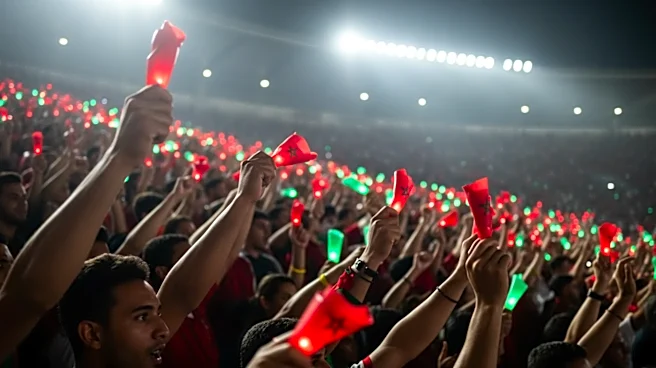
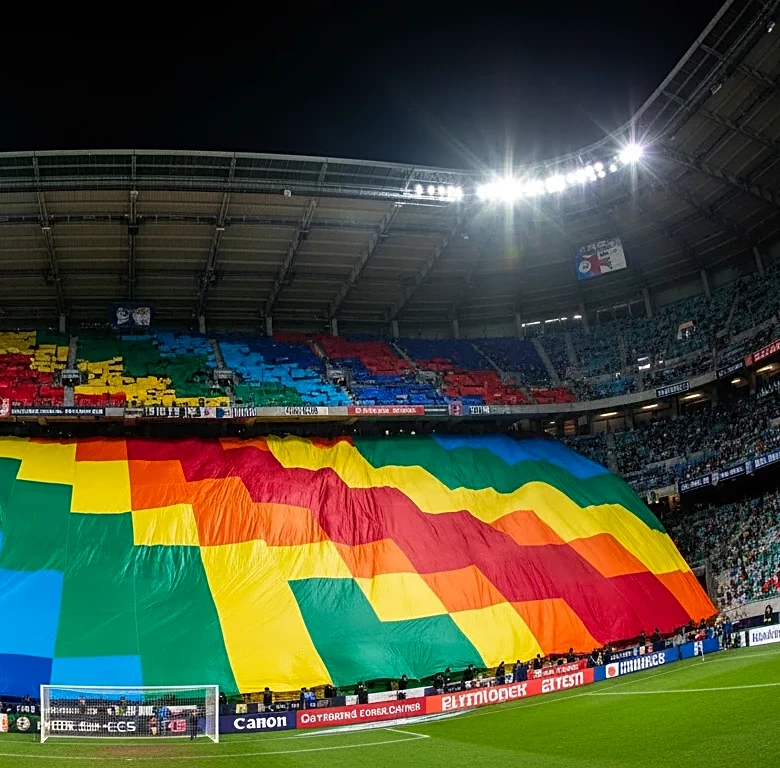
Before the first whistle even blew in Qatar, the signs were there. Moroccan fans descended on Doha with an energy that was impossible to ignore. They transformed the city’s Souq Waqif bazaar into a sea of red and green, and the stadiums into deafening
cauldrons of support. For every match, Morocco effectively had a home-field advantage. The constant, high-pitched whistling that greeted opposing teams on the ball became the tournament's unnerving soundtrack, a psychological tool wielded by tens of thousands of supporters acting as one. Manager Walid Regragui himself declared them the best fans in the world, a force so powerful it felt like playing at home in Casablanca. After each stunning upset—over Belgium, Spain, and Portugal—the players would immediately make their way to the roaring stands, bowing in a shared act of gratitude and prayer. It was a symbiotic relationship: the fans fueled the players, and the players honored the fans.
A Unifying Symbol for Millions
This was more than just national pride; it was a regional and cultural coronation. As the last Arab and African team standing, Morocco became the adopted team for hundreds of millions. Fans from Egypt, Jordan, Tunisia, and Saudi Arabia draped themselves in the Moroccan flag, joining the chorus of support. The victory was seen as a win for every Arab, a moment of collective triumph on the world's biggest stage. Morocco's run was the first time an African and Arab nation had ever reached a World Cup semifinal. This broke a significant barrier and created a powerful narrative of underdog success that resonated with the entire Global South. Coach Regragui captured it perfectly when he called his team the "Rocky Balboa of this World Cup," a hero for the overlooked and underestimated. The team's success sparked conversations about representation, colonialism, and identity, turning soccer matches into moments of profound cultural significance.
The Viral Power of Family
In the hyper-masculine world of professional sports, Morocco offered a refreshingly different image of strength: family. The enduring images from their World Cup journey weren't just of goals, but of players celebrating with their mothers. After scoring the winning penalty against Spain, star defender Achraf Hakimi ran to the stands to kiss his mother, a woman who once cleaned houses to support his soccer dreams. After the quarter-final win, winger Sofiane Boufal brought his mother onto the pitch, where they danced joyfully in front of the world. These moments, raw and unfiltered, went viral. They humanized the players and showcased a culture where honoring one's parents is a cornerstone of life. For a global audience, it was a heartwarming and relatable display that cut through the noise of the tournament, offering a story not just about winning, but about love, sacrifice, and gratitude.
A New Narrative is Born
Ultimately, the Moroccan fans did more than cheer; they helped write the story. In a tournament often defined by big names and established powers, they thrust a new narrative into the spotlight. It was a story of exuberant joy, deep-seated pride, and unwavering faith. The fans didn't just show up; they participated, turning each game into a cultural event that media outlets and casual viewers couldn't help but be captivated by. They presented an image of the Arab and African world that was vibrant, modern, and united in celebration. While the Atlas Lions made history on the field, their supporters created a legacy off it. They demonstrated how fandom could be an extension of cultural identity and how a soccer team's success could tell a much larger story about who they are and where they come from.