



It’s a Mood, Not a Uniform
First, understand that Dark Academia is an aesthetic, not a strict dress code. It romanticizes learning, classic literature, and history. The goal is to evoke that mood, not to perfectly replicate a 1940s student uniform. The key to avoiding a costume-y
look is to integrate elements of the style into your existing wardrobe, rather than adopting a full head-to-toe ensemble. Start with one or two pieces and build from there, focusing on what feels authentic to you. The most successful outfits feel lived-in and personal, not like a page from a catalog.
Prioritize Modern Fit and Quality Fabric
A vintage-inspired style can quickly look like a costume if the fit is off. The secret to a modern interpretation is impeccable tailoring. Your tweed blazer shouldn't be frumpy, and your trousers should be well-fitted. Focus on structured silhouettes that flatter your body. Equally important is the fabric. The aesthetic leans on rich, natural textures like wool, tweed, cotton, cashmere, and corduroy. These materials not only look more authentic and luxurious but also wear better over time, adding to the timeless quality of the look. A well-made wool coat or a soft cashmere turtleneck elevates the entire outfit.
Master the Color Palette, Subtly
The Dark Academia color story is grounded in deep, earthy, and muted tones: chocolate brown, forest green, burgundy, charcoal gray, and black, accented with cream or beige. The trick is to use this palette in a contemporary way. Instead of layering brown on brown, try pairing high-waisted, dark-wash jeans with a cream sweater and a plaid blazer. This approach keeps the moody spirit of the aesthetic while feeling fresh and wearable for a coffee run or a day at the office.
Build with Key Separates
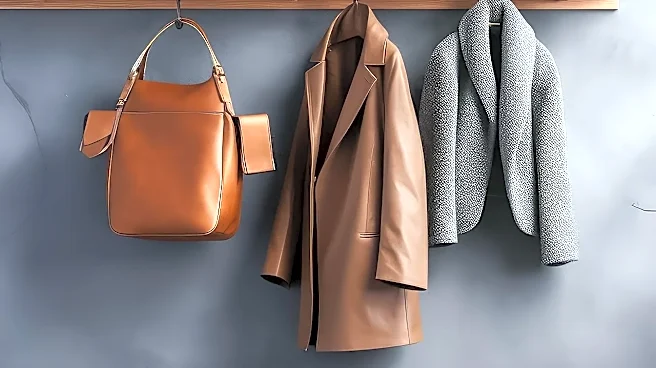
You don't need a whole new wardrobe. Focus on acquiring a few essential, high-quality pieces that you can mix and match. A structured blazer, especially in tweed or herringbone, is a cornerstone of the look. Other staples include well-fitting turtlenecks, classic button-down shirts, and tailored trousers. For a more feminine approach, a pleated skirt is a classic choice. The idea is to build a small collection of versatile items—like a long wool overcoat or a chunky knit cardigan—that serve as the foundation for numerous outfits.
Accessorize with Intention, Not Excess
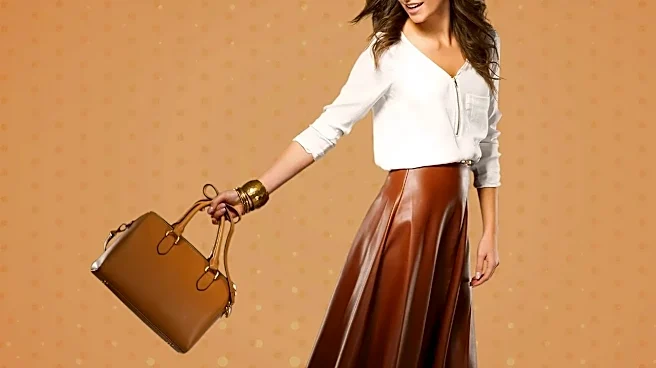
Accessories are where you can inject personality, but they are also a common pitfall. Loading up on stereotyped items like fake glasses, pocket watches, and bowties is what often pushes a look into caricature territory. Instead, choose one or two meaningful accessories. A classic leather satchel, a simple vintage-style watch, or a pair of sturdy loafers or Oxford shoes can ground your outfit perfectly. The goal is sophistication, not theatricality. The accessories should feel like a natural extension of your style, not props.