


The Lasting Impression
A concert is an emotional journey, but human memory is selective. Behavioral science tells us about the "peak-end rule," a psychological heuristic where we disproportionately remember the most emotionally intense point and the very end of an experience.
Everything else tends to blur. An artist can deliver a flawless 45-minute set, but if the final song fizzles, the entire performance can feel like a letdown in retrospect. Conversely, a killer finale can elevate a good show to legendary status. That last song isn't just a goodbye; it's the artist’s final opportunity to frame how the audience remembers the entire event. It's the emotional takeaway, the last word in a powerful conversation between the stage and the crowd.
A Mission Statement in Four Minutes
For artists performing at a multi-act festival like iHeartRadio, stage time is precious. They have a compressed window to win over new fans, reconnect with old ones, and make a statement about who they are right now. The final song choice is their closing argument. When Thirty Seconds to Mars brought fans on stage to close their 2023 set with their massive hit "The Kill," it wasn't just a fun moment; it was a reaffirmation of their career-long focus on community. Similarly, when Lil Wayne closed the first night of the same festival, he mixed classics like "A Milli" and "Lollipop" with a track from his upcoming album, effectively bridging his legacy with his future. The final song can serve as a summary of an artist's current era or a bold declaration of what’s next.
The Art of the Strategic Surprise
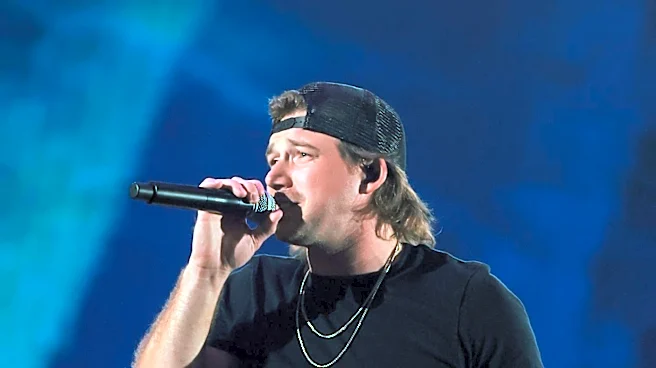
The final slot is also prime real estate for creating a viral moment. A surprise guest, a never-before-heard song, or a stunning cover can dominate social media chatter for days. At the 2022 festival, Diplo closed his high-energy set by bringing out Morgan Wallen for the first-ever live performance of their collaboration "Heartless." A year later, Lil Durk did something similar, creating a sensation by having J. Cole join him for the debut performance of "All My Life." These moments aren't just for the fans in the arena; they are strategically designed for a much wider audience watching on livestreams and catching clips on social media. It transforms the final song from a simple performance into a calculated marketing move.
The Emotional Send-Off
Beyond strategy and memory, the final song serves a crucial emotional purpose. It's the moment of maximum connection, what sociologist Émile Durkheim called "collective effervescence." When thousands of people sing along to a beloved anthem, their heart rates and breathing can synchronize, creating a powerful feeling of unity and shared identity. A euphoric, high-energy closer like Black Eyed Peas' "I Gotta Feeling" sends the audience out on a wave of joy, solidifying the concert as a positive, uplifting experience. An emotional ballad, on the other hand, can create a moment of quiet, shared catharsis. The choice dictates the final feeling fans carry with them as they leave, cementing the bond between artist and audience until the next tour.