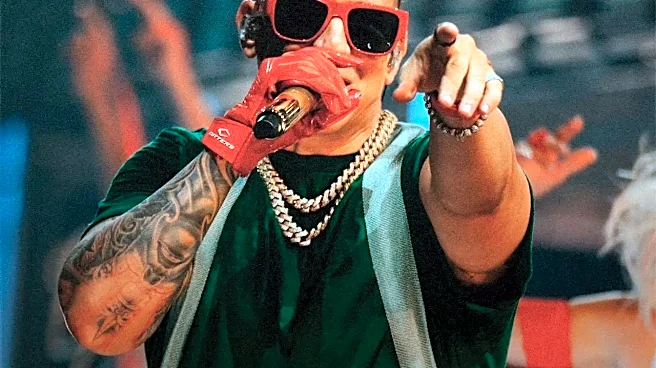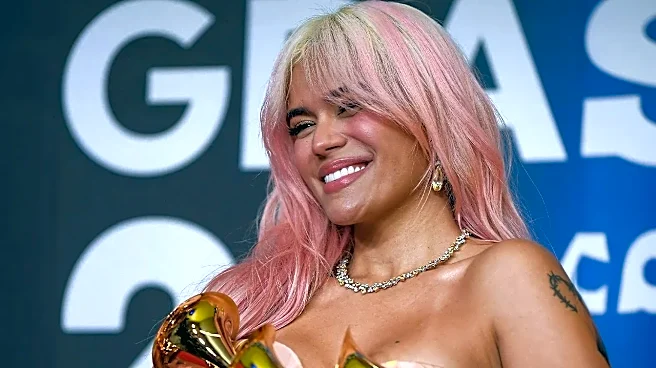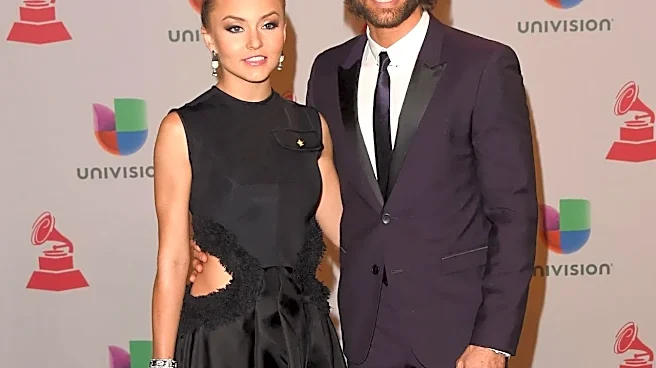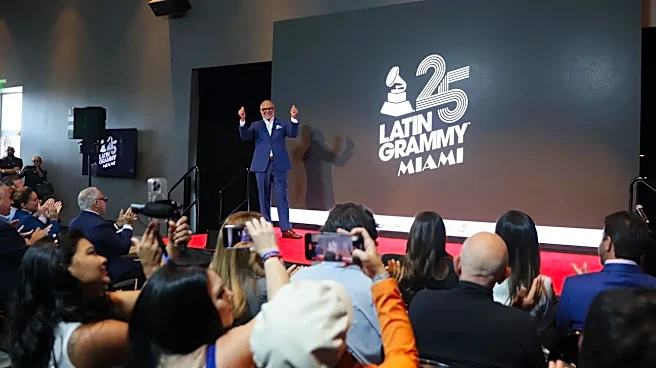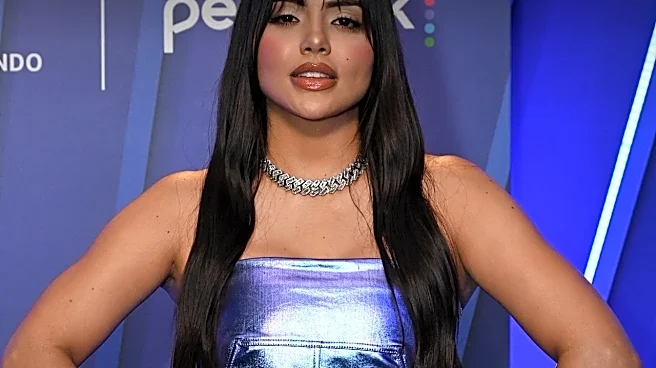

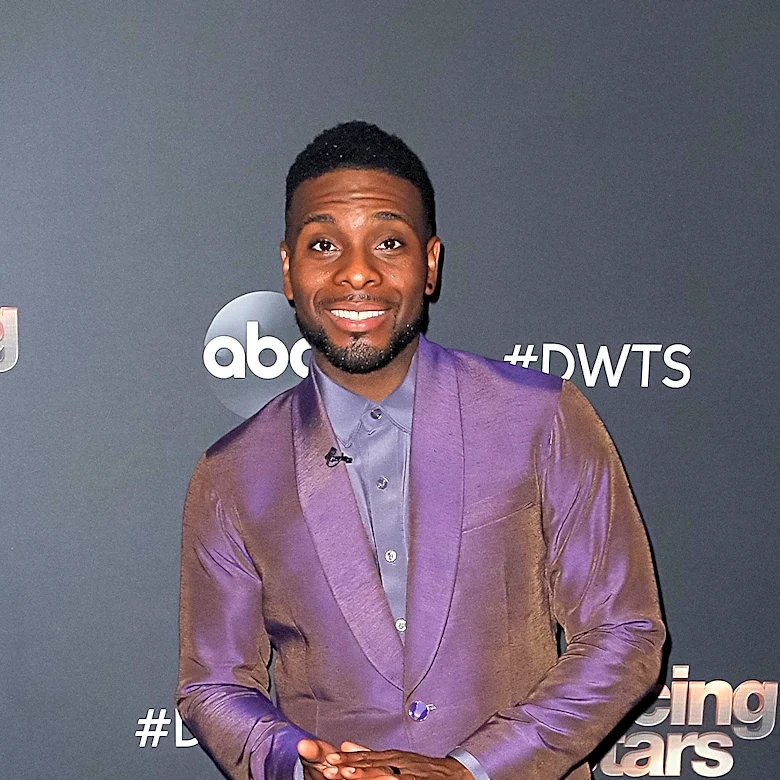




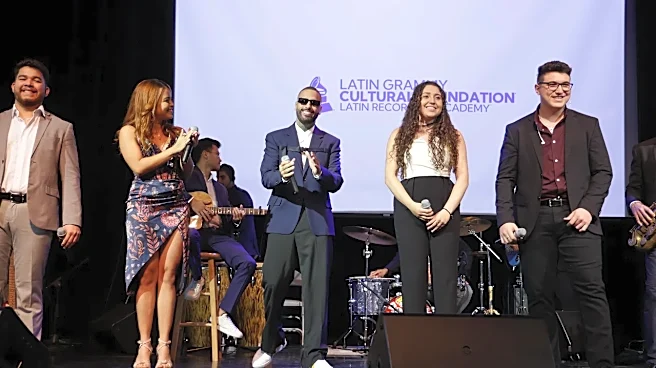
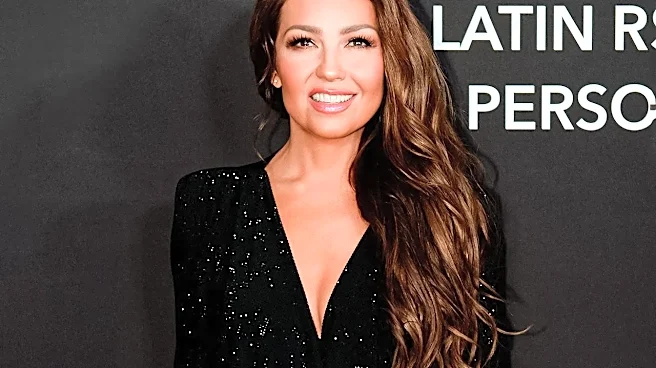
The red carpet was once a predictable parade of tuxedos and ballgowns. Now, it's a stage for bold statements, and Latin artists are leading the charge, trading rigid tradition for personality, cultural pride, and fearless authenticity.
Breaking the Binary
For decades, red-carpet
fashion followed a strict, gendered script. Today, that script is being enthusiastically rewritten, with Latin male artists at the forefront of the gender-fluid fashion movement. Bad Bunny, the Puerto Rican superstar, has become a global icon for challenging machismo with his aesthetic choices. He has famously worn skirts, sported intricate nail art, and even dressed in full drag for a performance, using his platform to push back against traditional gender roles. In a landmark moment, he wore a custom Schiaparelli tuxedo with a corseted back for the Grammys, subverting classic menswear with a couture twist. This approach is about more than just shock value; it's a deliberate choice to treat fashion as an expansive vocabulary free from outdated rules. This signals a wider cultural shift where artists use clothing to communicate freedom and refuse to be confined to familiar categories.
Cultural Heritage as High Fashion
The new wave of Latin style isn't just about breaking rules; it's also about proudly showcasing roots. Artists are weaving their heritage into high-fashion looks, moving beyond stereotypes to celebrate cultural identity. Bad Bunny has been seen reclaiming the 'jíbaro' (rural farmer) aesthetic by wearing traditional pava hats and guayabera shirts on global stages like the Met Gala. This act transforms a once-stigmatized symbol of Puerto Rican rural life into a statement of dignity and resistance. Similarly, singers like Karol G embrace an ethereal, tropical spirit in their style choices, while Rosalía is known for blending flamenco influences with avant-garde trap aesthetics. This builds on a legacy left by pioneers like Celia Cruz, whose flamboyant looks celebrated Afro-Caribbean joy, and Selena Quintanilla, whose iconic outfits remain symbols of Latina pride. Today's stars are taking that legacy and infusing it with a modern, global sensibility.
Authenticity Is the New Luxury
Beneath the custom gowns and headline-grabbing suits is a powerful current of authenticity. Latin artists are proving that the most compelling style comes from a genuine place. Queer artists like Villano Antillano and Tokischa use their fashion to make bold statements about their identity, with Tokischa even nodding to Frida Kahlo by pairing a deconstructed suit with a mustache on the red carpet. Their style is an extension of their art, a way to show up authentically and declare, 'This is who I am'. This ethos resonates with a global audience that increasingly values originality over conformity. As the influence of these artists grows, luxury brands are taking notice. Bad Bunny has fronted campaigns for Calvin Klein and Jacquemus, while Louis Vuitton has courted stars like Anitta, Maluma, and Karol G. These collaborations are successful because they feel organic, built on the artists' established creativity and personal brands.
From Regional Trend to Global Force
As Latin music continues to dominate global charts, its stars have become undeniable fashion power players. What was once considered a niche aesthetic has now infiltrated mainstream style, with reggaeton-inspired streetwear influencing everything from luxury catwalks to fast fashion. The economic impact is significant, with the U.S. Latin music market generating over a billion dollars annually, making its artists highly attractive partners for global brands. Red carpets at events like the Latin Grammys and Billboard Latin Music Awards are now major fashion moments, setting trends that ripple across the industry. The style choices made there aren't just outfits; they are declarations of cultural and economic sovereignty, proving that Latin artists are not just participating in the fashion conversation—they are leading it.