

The High-Stakes Brand Partnership
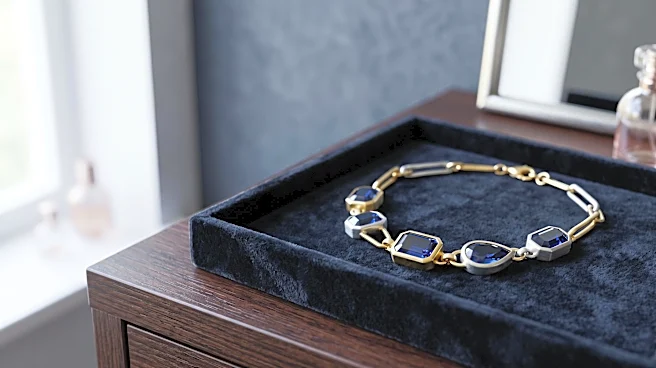
The move toward jewelry-led styling isn't just an aesthetic choice; it's a calculated business decision. While fashion houses have long loaned dresses for exposure, the world of high jewelry operates on a different level. Major jewelry brands like Bulgari,
Cartier, and Tiffany & Co. are often involved in complex deals that can include paying A-list celebrities six or seven-figure sums to wear their pieces for a single night. A celebrity who is a brand ambassador might have a multi-year, multi-million dollar contract dictating their red carpet choices. This investment provides brands with unparalleled global advertising. When an A-lister wears a multi-million dollar necklace, it generates media buzz that money can't always buy, turning a red carpet walk into a powerful marketing event. The jewelers often get a say in the styling, sometimes even dictating a simple neckline or a solid color for the gown to ensure their pieces command full attention.
Designed for the Digital Close-Up
In the age of social media, the red carpet experience has fundamentally changed. An outfit is no longer just viewed from afar on a television screen; it's consumed in high-resolution photos and endlessly shared clips on Instagram and TikTok. This new media landscape is optimized for the close-up, where the intricate details of a diamond necklace or a pair of stunning earrings can be seen with perfect clarity. A magnificent gown might lose its impact on a small phone screen, but a dazzling jewel retains its power. Stylists and brands are acutely aware of this, curating looks that are designed to go viral and create a 'moment'. A unique or historically significant piece of jewelry can generate its own news cycle, sparking conversations and memes that keep a celebrity in the public eye long after the event has ended.
Crafting a Narrative, Jewel by Jewel
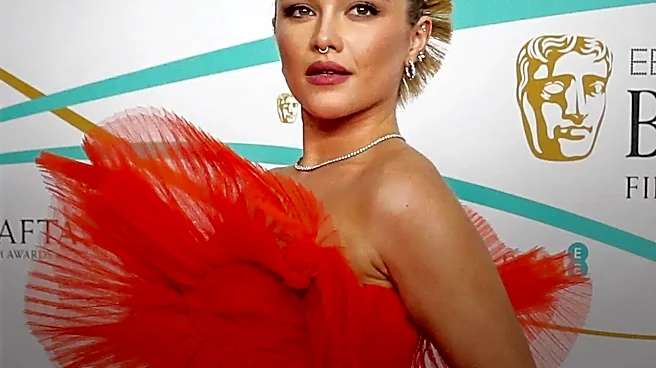
A dress can be beautiful, but a piece of jewelry can tell a story. When a stylist selects a piece from a brand’s archive, or a jeweler custom-designs an item for a specific star, it creates a unique narrative that elevates the entire look. Think of Lady Gaga wearing the historic Tiffany Diamond at the Oscars or Florence Pugh donning a bold, colorful Bulgari collar that perfectly complements her personality. These choices are intentional. They link the celebrity to a legacy of glamour and craftsmanship, suggesting a deeper connection than simply borrowing a pretty bauble. The jewelry becomes more than an accessory; it becomes a statement of artistry, history, and personal brand, transforming the wearer from just another actress in a nice dress into a figure of timeless elegance. This storytelling ability is something a simple gown often cannot achieve on its own.
The Understated Power Play
There's a modern confidence in letting the jewelry do the talking. Pairing a relatively simple, understated gown with an extraordinary piece of jewelry is a major power move. It suggests the wearer doesn't need a frothy, attention-grabbing dress to make an impact. The focus shifts from the volume of fabric to the precision of the gemstone. Take Cate Blanchett's pairing of a simple black gown with a statement turquoise Tiffany & Co. necklace, a look that dominated fashion headlines. This approach can feel more sophisticated and intentional than a head-to-toe spectacle. By choosing a quieter dress, the celebrity and their stylist are making a deliberate choice to anchor the look's value and visual weight in the rarity and artistry of the jewelry, signaling a mature and assured sense of style.