







The Blind Spot in Online Reviews
Scroll through the reviews for any popular zip-up hoodie, and you’ll see the same comments over and over. People focus on three things: fit, fabric softness, and color accuracy. They’ll tell you if it’s “cozy,” if it runs “true to size,” or if the “heather
gray” is what they expected. While helpful, this feedback only captures the first impression. It doesn’t tell you how the garment will perform after six months of wear, washes, and being hastily pulled on during a cold morning. The real markers of quality aren't just about initial comfort; they're about construction and longevity. Details like stitching quality, fabric density (measured in GSM), and shape retention are what separate a hoodie that lasts a season from one that lasts a decade. And one of the most crucial of these long-term details is almost always ignored.
Meet the Unsung Hero: The Zipper
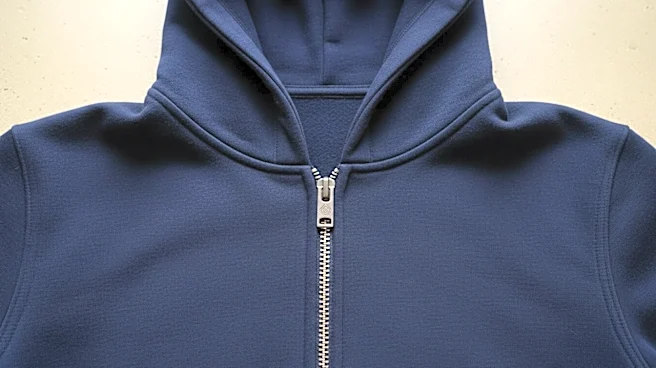
The single most overlooked, yet incredibly revealing, component of a zip-up hoodie is the zipper itself. It seems trivial, but the choice of zipper is a massive tell. It's a component where manufacturers can easily cut costs, assuming most consumers won't notice until it’s too late. A cheap, generic zipper is a red flag, indicating that other, less visible corners were likely cut, too. High-quality brands know that a faulty zipper can ruin an otherwise perfect garment. That’s why they often turn to one company: YKK. Those three letters, stamped on the pull tab, are the industry’s gold standard for reliability. Founded in Japan in 1934, YKK produces roughly half of all zippers on Earth for a reason: they are obsessively well-made, engineered for a smooth glide and long-term durability. If a brand invests in a YKK zipper, it’s a strong signal they care about the product’s entire lifespan.
Why a Good Zipper Changes Everything
A zipper isn't just an opening; it’s a moving part that endures thousands of cycles of stress. A low-quality zipper is prone to a host of frustrating failures. The teeth, often made from lower-grade alloys, can misalign and jam. The slider can lose its locking mechanism, causing the hoodie to slowly unzip itself. Worst of all, the fabric tape holding the zipper can warp or shrink after washing, causing that ugly, tell-tale puckering along the front of the hoodie. A high-quality zipper, by contrast, is engineered for performance. YKK zippers, for example, often use self-locking pullers that stay in place and feature precisely manufactured teeth—whether they are metal, plastic, or coil—that engage smoothly without snagging. This functional integrity ensures the hoodie not only remains easy to wear but also maintains its structure and clean lines over time. It’s the difference between a garment that looks sharp and one that looks sloppy after just a few washes.
Your Field Guide to Spotting Quality
So, how do you become the savvy shopper who spots this detail? It’s simple. First, always check the zipper pull. Look for the YKK stamp. While other quality manufacturers exist (like Riri or Lampo, often on high-end luxury goods), YKK is the most common sign of dependable quality. Second, test the action. Zip it up and down a few times. It should feel smooth and secure, not gritty or flimsy. Third, inspect the type. Coil zippers, which use a flexible nylon spiral, are excellent for hoodies as they bend well with the fabric. Molded plastic tooth zippers (like YKK's VISLON type) are also durable and corrosion-resistant. Finally, look at how it’s attached. The stitching holding the zipper tape to the hoodie should be neat and even, with no loose threads. These small points of inspection take only a few seconds but can save you from the disappointment of a hoodie that fails long before it should.