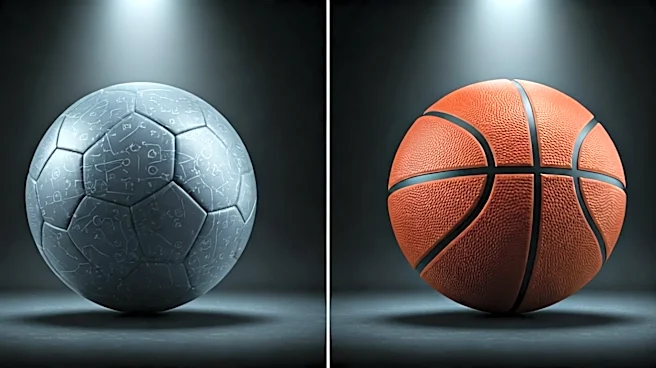







The Architect of the Pitch
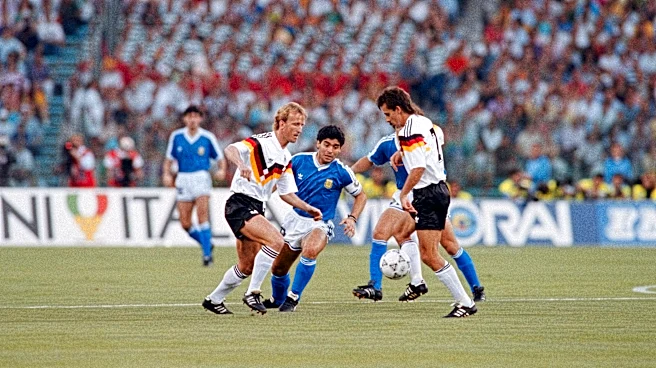
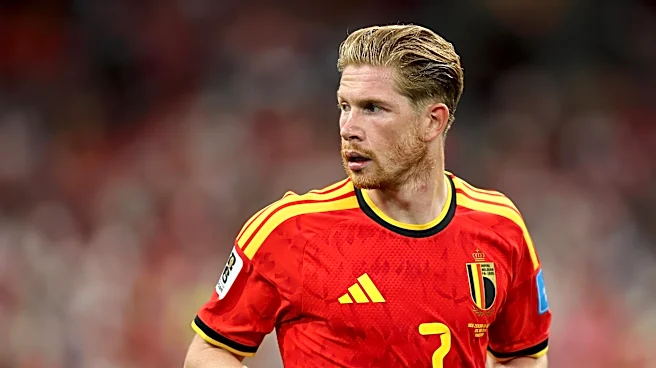
On a sprawling soccer pitch with 21 other players, space is both a luxury and an illusion. For Kevin De Bruyne, it's a canvas. The Belgian midfielder operates not just in the present, but a few seconds into the future. His signature move isn't a dazzling
step-over; it's a simple turn of the head. Football psychologists have noted that De Bruyne constantly scans the field, collecting data like a supercomputer. He performs these head checks multiple times in the seconds before receiving the ball, building a live mental map of every player's position and momentum. This allows him to execute passes that seem impossible, threading the ball into channels that didn't appear to exist. His passes are often directed not to where a teammate is, but to where they will be, exploiting the blind spots of defenders. He prefers assisting to scoring, seeing it as the ultimate expression of his creativity and a more complex art form. For him, the pass is the masterpiece.
The Conductor of the Hardwood
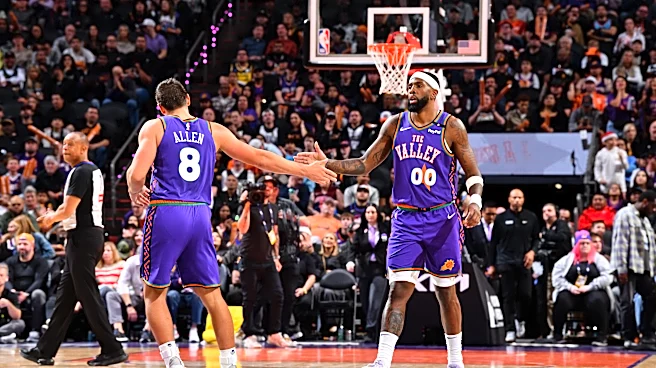
In the compressed, chaotic space of a basketball court, Steve Nash created order from mayhem. During his time with the Phoenix Suns, he quarterbacked the legendary “Seven Seconds or Less” offense, a system built on his relentless pace and peerless creativity. Nash’s genius wasn't just in seeing the open man, but in manipulating defenses to create that man in the first place. He’d probe the lane, drawing multiple defenders with his dribble, only to whip a no-look pass to a now-unguarded teammate on the perimeter. Nash made passing an aggressive act. He stretched possessions to their breaking point, waiting for the defensive structure to crack before delivering the perfect pass. He made good players great and great players into superstars; teammates like Amar'e Stoudemire and Shawn Marion had career-defining seasons playing off his vision. While he was an elite scorer himself, his primary mission was always to make the game easier for everyone else on the floor.
A Shared Language of Geometry and Deception
Though their fields of play are vastly different, the minds of De Bruyne and Nash operate on a similar plane of genius. Both are masters of geometry, understanding that the perfect pass is about creating angles and exploiting space. De Bruyne's famed through-balls and whipped crosses are the soccer equivalent of Nash’s pick-and-roll pocket passes; both are designed to hit a moving target in the optimal spot to score. They share an understanding of timing and deception. De Bruyne might look one way to move a defender before passing another. Nash would use his eyes to fool defenders, looking off a cutter to create an open lane for his rolling big man. Both players force defenses to react to what they think will happen, which is precisely how they create the opportunity they actually want. It's a high-level chess match played at full speed, where they are consistently several moves ahead.
The Elevation Effect
The truest measure of their greatness lies in the performance of their teammates. Strikers become more clinical with De Bruyne feeding them chances they couldn't create for themselves. Role players on Nash’s teams suddenly became deadly shooters because they were consistently receiving the ball with time and space. This is the “elevation effect.” It’s not just about the stat sheet; it's about the confidence and rhythm a master playmaker instills in the entire squad. Players run harder knowing the pass might come, they cut more decisively, and they shoot with more conviction. Teammates of both athletes consistently talk about how the game felt easier and more fun. They weren't just passing a ball; they were passing on belief, making everyone around them a better version of themselves.