







France: Déjà Vu All Over Again?
History doesn't repeat, but it often rhymes. For France, it rhymes with drama. Just like their infamous 2010 meltdown in South Africa, Les Bleus entered this tournament with whispers of internal strife, reportedly over bonus and ticket allocations. While
the talent is undeniable, the team has looked disjointed, struggling to break down organized defenses and relying on individual heroics over cohesive team play. France has a long and storied history of implosion, where ego and federation politics spill onto the pitch. A tense locker room can neutralize a world-class squad, and with the immense pressure of being perennial favorites, the first sign of real adversity could see them crumble, not with a bang, but a Gallic shrug.
Germany: A Machine with Missing Parts
After early exits in 2018 and 2022, Germany was supposed to have exorcised its demons. Yet, the same ghosts are haunting them in 2026. Despite surviving the group stage, their defensive frailties are a massive cause for concern. They've looked vulnerable against aggressive, counter-attacking teams, conceding goals that expose a lack of organization at the back. Coach Julian Nagelsmann's constant tactical tinkering has left the team without a clear identity, a stark contrast to the ruthlessly efficient German squads of the past. Without a reliable, world-class striker in the mold of Miroslav Klose, their beautiful possession-based buildup often ends with a whimper. They may look dominant on the stat sheet, but they lack the killer instinct required to win a World Cup.
Brazil: All Flair, No Control
Brazil's squad is an embarrassment of attacking riches, but that might be the problem. The team often looks like a collection of brilliant individuals rather than a single, tactical unit. Their reliance on wingers like Vinicius Jr. can become predictable, and they've shown a critical weakness in midfield. Lacking a true tempo-controller in the mold of Europe's best, they struggle to manage the pace of a game, leaving them vulnerable to organized pressing and swift counter-attacks. An opponent that can absorb pressure and hit them in transition has the perfect blueprint to cause a shocking upset. We've seen it before: when faced with a disciplined, tactically astute side, Brazil's "Jogo Bonito" can look naive and fall apart completely.
England: Crushed by the Weight of Expectation
For England, every World Cup is a psychological battle as much as a footballing one. The media pressure is immense, and for a squad often dubbed a "Golden Generation," anything less than a final is seen as a failure. This external noise can be crippling, leading to cautious, nervy performances where players seem afraid to make a mistake. While the squad is stacked with talent, they have at times looked shackled and too conservative, struggling to find the right balance in midfield and break down stubborn defenses. Opponents know this and often play mind games, positioning England as the clear favorites who have everything to lose. If they go down a goal in a high-stakes knockout match, the weight of history could become too much to bear.
Argentina: The Post-Championship Hangover
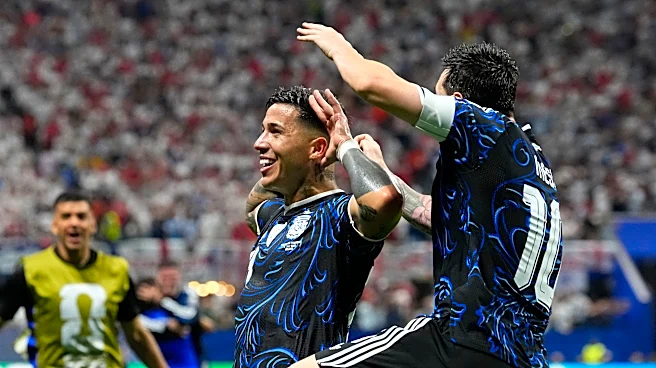
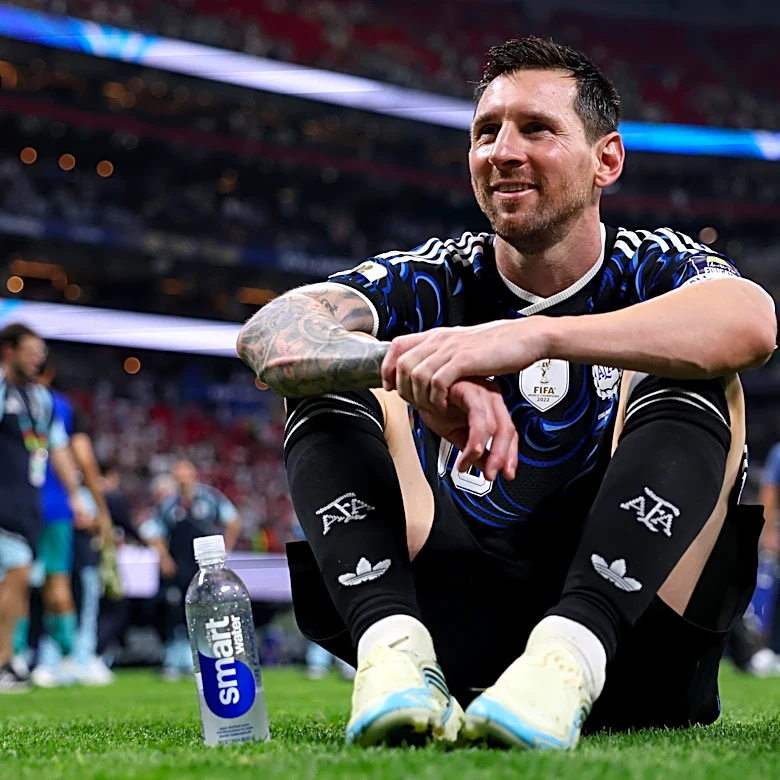
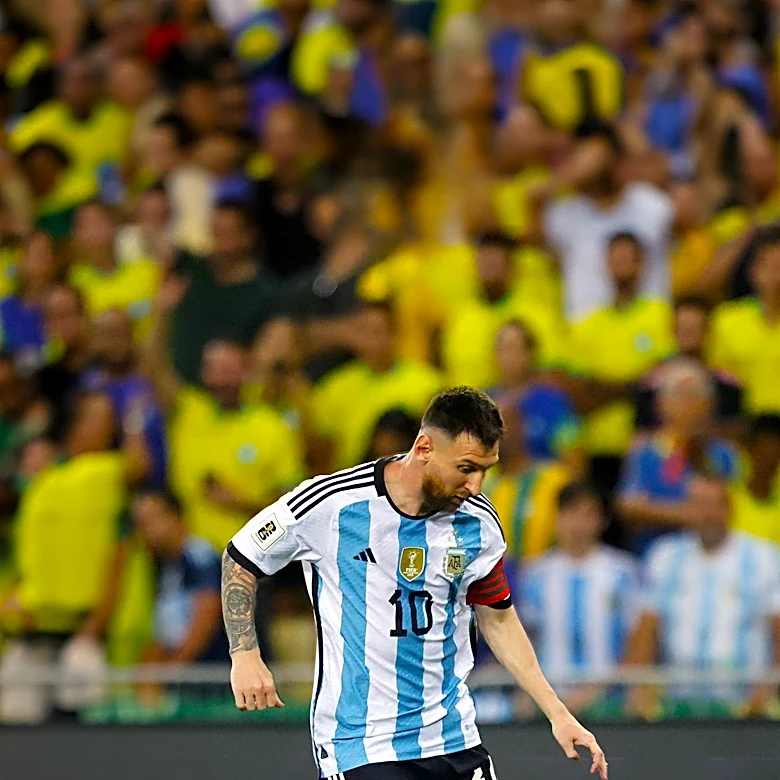
Winning back-to-back World Cups is nearly impossible for a reason. As defending champions, Argentina have had a target on their back from day one. While they still have the magic of an aging Lionel Messi, the squad is in a transitional phase. The immense pressure and fatigue of being the reigning champs can lead to a dip in intensity. Furthermore, their success has drawn intense scrutiny, with every refereeing decision and on-field tussle being analyzed for signs of favoritism, creating a narrative of 'Argentina against the world'. While the team has built a system that is less reliant on Messi's individual brilliance than in years past, the challenge is now mental. Complacency is a champion's biggest enemy, and a hungry underdog could exploit any slight drop in focus.