





The Runway as Pure Theater
Scroll through TikTok during Swim Week and you’ll see it: a model walking with a live snake, a swimsuit made of what appears to be liquid metal, or a one-piece with more cutouts than fabric. These are the moments that get screen-recorded, remixed, and debated.
The algorithm rewards spectacle. Details like impossibly long body chains, intricate macrame that would take an hour to untangle, and gravity-defying tops become the stars of the show. For the average viewer, this is fashion at its most entertaining. It’s not about finding a suit for their next beach trip; it's about consuming a fantasy. The viral details are pure aesthetic—dramatic, photogenic, and completely detached from the practical realities of swimming, sunbathing, or even just sitting down comfortably.
The Buyer’s Pragmatic Checklist
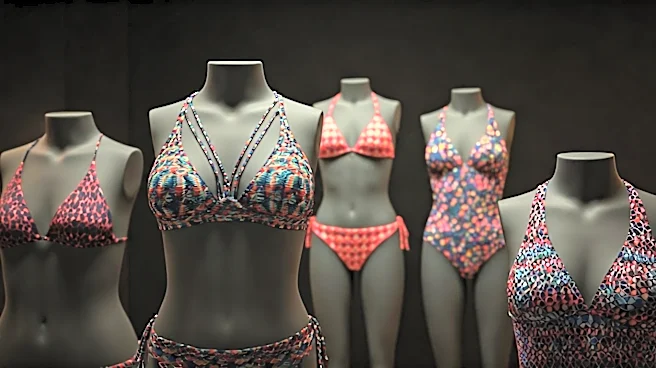
Meanwhile, sitting in the front row (or viewing a digital lookbook), a buyer from a major department store is watching a completely different show. Their job isn’t to applaud the fantasy; it’s to fill their stores with products that will sell. They aren’t looking for the most outrageous piece, but the most marketable. Their mental checklist is brutally pragmatic. Can this suit be produced at a reasonable cost? Will the fabric hold up after a few washes? Does the fit work for a range of body types, not just a 5'11" runway model? Is this trend already oversaturated? A suit with 17 delicate straps might look incredible on the runway, but a buyer sees only a high return rate from customers frustrated by bizarre tan lines and a complicated dressing process. They’re looking for the quietly brilliant, commercially viable pieces in the collection—the well-cut black one-piece, the perfectly printed bikini—that the TikTok crowd likely scrolled right past.
Content vs. Commerce
This is the great divide between content and commerce. The viral runway look is a piece of marketing, a Trojan horse for brand awareness. Its primary function is to generate buzz and associate the brand with creativity and daring. It’s designed to be clipped, shared, and talked about. For a designer, a 15-second viral video can be more valuable than a small print ad. That one “crazy” swimsuit might lead thousands of new followers to the brand’s Instagram, where they will discover the *actual* products for sale: the sensible, stylish, and wearable versions of the runway fantasy. The buyers know this game. They understand that the show-stopping piece is for the cameras, while the rest of the collection is for the cash register. They ignore the viral bait because they’re shopping for inventory, not for clicks.
Designing for the Algorithm
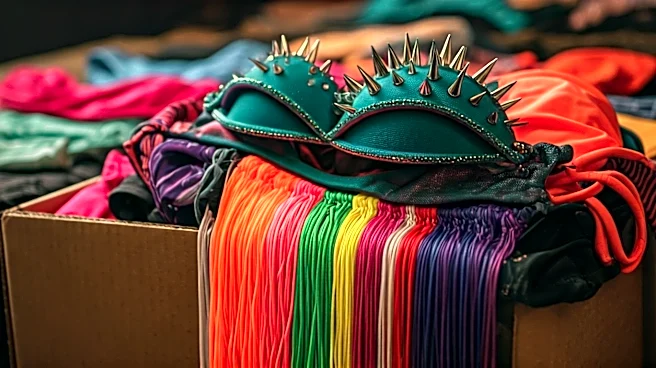
The smartest brands have learned to cater to both audiences simultaneously. A modern swimwear collection is often built with this duality in mind. Designers will create one or two “editorial” or “TikTok-bait” looks specifically engineered to go viral. These pieces might be handmade, prohibitively expensive to produce at scale, or functionally unwearable. They serve their purpose on the runway and in the subsequent social media blitz, and then they are quietly retired. The commercial collection, which features the same prints, colors, and general vibe, is what actually gets manufactured and shipped to retailers. In this sense, TikTok hasn't so much changed what buyers look for as it has created a new, parallel track of marketing that runs alongside the traditional business of fashion. The spectacle is now just another part of the sales funnel.